Accommodation & lodging
Choosing where to stay during your travels represents far more than simply finding a place to sleep. Your accommodation choice shapes every aspect of your journey—from your comfort and safety to your budget and overall experience. Whether you’re planning a luxury resort escape, a metropolitan business trip, or a budget-conscious adventure, understanding the landscape of lodging options empowers you to make decisions aligned with your specific needs and expectations.
The accommodation industry has evolved into a complex ecosystem offering everything from traditional hotels and resorts to private rentals, boutique properties, and specialized business facilities. Each category serves distinct purposes, operates under different pricing models, and delivers varying levels of service and amenities. This diversity creates tremendous opportunity but also demands informed decision-making. The following exploration breaks down the essential knowledge every traveler needs—from evaluating quality and value to mastering booking strategies, understanding financial commitments, and navigating the unique challenges of urban and business accommodations.
Understanding Accommodation Categories and Their Purpose
The lodging landscape organizes itself into several primary categories, each designed to serve specific traveler needs. Recognizing these distinctions helps you narrow your search efficiently and set appropriate expectations.
Traditional Hotels and Their Service Levels
Hotels remain the most recognizable accommodation type, but they span a vast quality spectrum. Budget hotels focus on essential amenities—clean rooms, basic furniture, and minimal staff interaction—keeping costs low. Mid-range properties add services like on-site dining, fitness facilities, and concierge assistance. Luxury and premium hotels distinguish themselves through personalized service, high-end finishes, exclusive amenities, and attention to detail that transforms a stay into an experience. Understanding these tiers helps you match your expectations with what you’re actually paying for.
Resorts, Boutiques, and Alternative Accommodations
Resorts function as self-contained destinations, offering comprehensive on-site activities, dining options, and entertainment—ideal when you want everything in one location. Boutique properties typically feature fewer rooms but emphasize unique design, personalized service, and local character. Alternative accommodations like vacation rentals and serviced apartments provide residential-style spaces with kitchens and living areas, particularly valuable for extended stays or families. Each category addresses different travel styles: resorts for relaxation-focused trips, boutiques for experience-seekers, and rentals for those wanting independence and space.
Evaluating Quality, Value, and Exclusivity
Determining whether an accommodation truly delivers value requires looking beyond star ratings and promotional descriptions. Genuine assessment combines multiple factors that reveal what you’ll actually experience.
Measuring True Value in Premium Properties
High-end accommodations justify premium pricing through tangible and intangible elements. Tangible factors include thread count, bathroom fixtures, technology integration, and spatial design. Intangible elements—staff responsiveness, curated experiences, and access to exclusive facilities—often matter more. A truly valuable luxury property doesn’t just offer expensive furnishings; it delivers seamless service, anticipates needs, and provides experiences unavailable elsewhere. When evaluating options, consider whether the premium cost grants you genuinely superior comfort, unique access, or time-saving conveniences worth the investment.
Recognizing Authentic Exclusivity
The term “exclusive” gets overused in accommodation marketing, but authentic exclusivity manifests in specific ways. Look for properties with limited inventory (fewer rooms means more personalized attention), restricted access to amenities (private beaches, members-only areas), or partnerships enabling privileged experiences like priority restaurant reservations or after-hours museum visits. Genuine exclusivity also appears in seasonal offerings—properties hosting special events, cultural celebrations, or natural phenomena available only during specific windows. The question to ask: does this property offer something I genuinely cannot access elsewhere, or simply a nicer version of what’s widely available?
Smart Booking Strategies: Timing and Financial Considerations
When you book often matters as much as where you book. Understanding pricing patterns and financial structures helps you secure better rates while avoiding unexpected costs.
Optimal Timing for Rate Advantages
Accommodation pricing fluctuates based on predictable patterns. Advance booking typically yields lower rates for popular destinations during peak seasons—properties reward early commitment with discounted pricing. Conversely, last-minute deals can emerge when properties need to fill unsold inventory, though this strategy involves risk and limited selection. Mid-week bookings for urban hotels often cost significantly less than weekends, while resort pricing inverts this pattern. Shoulder seasons—periods just before or after peak demand—frequently offer the sweet spot of favorable weather with reduced rates and fewer crowds.
Understanding Deposits, Fees, and Hidden Costs
The advertised nightly rate rarely represents your total cost. Deposits secure your reservation but operate under varying terms—some are fully refundable until a specific date, others become non-refundable immediately, and many convert to partial refunds if cancelled within certain timeframes. Always clarify deposit terms before committing. Additional costs frequently include:
- Resort fees or facility charges covering amenities like pools, gyms, or Wi-Fi, often added regardless of usage
- Parking fees, particularly common in urban properties where space commands premium pricing
- Service charges or gratuities automatically added to your bill, separate from discretionary tipping
- Minibar restocking fees, premium Wi-Fi tiers, or early check-in and late checkout charges
Request a complete cost breakdown before booking to avoid unwelcome surprises at checkout. Transparent properties willingly provide this information upfront.
Selecting the Right Room for Your Needs
Room categories within the same property can vary dramatically in layout, views, noise levels, and amenities. Strategic selection enhances comfort and satisfaction well beyond what general property quality determines.
Privacy considerations extend beyond room location. Corner units typically offer fewer shared walls and more windows. Higher floors reduce street noise and foot traffic outside your door. Rooms distant from elevators, ice machines, and vending areas minimize disturbances. If privacy matters significantly, explicitly request these features rather than leaving assignment to chance.
For those prioritizing quiet and tranquility, especially in bustling urban environments, several factors prove critical. Rooms facing interior courtyards rather than busy streets dramatically reduce traffic noise. Properties with solid-core doors and quality window glazing block sound more effectively than budget construction. Reading recent guest reviews specifically mentioning noise levels provides real-world insight beyond official property descriptions. Some travelers find requesting rooms away from conference facilities, restaurants, and bars worth the potential trade-off of longer walks within the property.
Room type selection should align with your actual activities. Business travelers benefit from dedicated workspace, ergonomic seating, and strong lighting. Families often find suites or connecting rooms worth premium costs compared to cramped single rooms. Extended stays make kitchenettes or full kitchens valuable for reducing dining expenses and maintaining routine. Think through your typical day at the property to identify which features genuinely enhance your stay versus superficial luxuries you’ll rarely use.
Navigating Urban and Business Accommodation Challenges
Metropolitan and business-focused properties present distinct considerations requiring specialized evaluation strategies beyond general accommodation assessment.
Urban Comfort and Safety Assessment
Finding high-quality comfort in major cities often means accepting trade-offs. Urban properties typically offer smaller room dimensions than suburban or resort counterparts due to premium real estate costs. Compensating factors include superior location, walkability to attractions, and access to diverse dining and entertainment. When evaluating city hotels, prioritize neighborhood character over room size—a slightly smaller room in a vibrant, safe area generally delivers better overall experience than spacious accommodations in inconvenient or uncomfortable locations.
Neighborhood safety deserves thorough research, particularly for evening and night arrivals. Examine the area within a three-block radius of the property using mapping tools with street-view features. Look for well-lit streets, maintained buildings, and active ground-floor businesses. Guest reviews mentioning feeling safe walking at night provide valuable social proof. Properties offering airport shuttles or easy access to reliable public transit reduce dependence on unfamiliar navigation in new cities. Don’t hesitate to contact properties directly asking about the neighborhood—quality establishments honestly address safety questions and offer specific guidance about local conditions.
Business Travel Optimization
Business-focused accommodations serve distinct functional needs beyond leisure travel requirements. Essential features include reliable, high-speed internet as non-negotiable infrastructure, dedicated workspaces with proper desk height and lighting, and convenient power outlets positioned for laptop use. Properties catering to business travelers typically offer express checkout, business centers with printing capabilities, and meeting room access.
Location matters differently for business stays—proximity to corporate offices, conference venues, or transportation hubs often outweighs tourist attractions. Consider whether the property offers practical amenities like same-day laundry service, 24-hour room service for irregular meal times, and fitness facilities accommodating early morning or late evening schedules when work commitments consume daylight hours. The best business accommodations recognize that professional travelers need efficiency, predictability, and services supporting productivity rather than vacation-oriented experiences.
Making confident accommodation decisions ultimately comes from understanding what you actually need, knowing how to evaluate whether properties genuinely deliver those elements, and recognizing the pricing and booking strategies that maximize value. Whether your journey takes you to exclusive resorts, metropolitan business districts, or anywhere between, this foundational knowledge transforms accommodation selection from an overwhelming challenge into a manageable process yielding stays that truly enhance your travel experience.
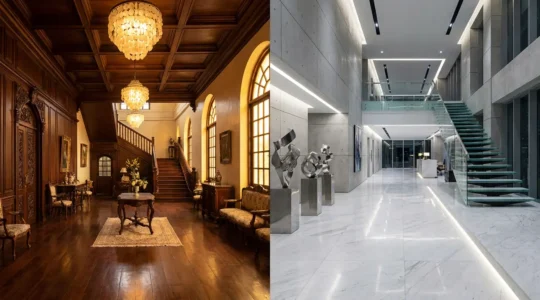
Chain Hotel vs. Boutique Heritage: Which Luxury Stay in Manila Has More Soul?
In Manila, the most soulful luxury isn’t found in a brand name, but in a hotel’s ability to create a seamless sanctuary from the city’s inherent friction. Global chains offer systematic security and predictable comfort, while heritage boutiques provide unique…
Read more
Why Do Luxury Resorts in the Philippines Cost More Than in Thailand?
The higher price of Philippine luxury resorts is not a market inefficiency but a deliberate design choice rooted in “programmatic luxury.” This model engineers exclusivity through high-friction access (costly transfers), curated cultural narratives, and a deeply personalized service ethos. Unlike…
Read more
Tagaytay Hotels
Tagaytay Prior to becoming a city in 1938, Tagaytay was a small mountain village for some 300 families. Because of the vast potentials as a recreational center, development boomed in the 1970’s when investors began building, quickly transforming Tagaytay into…
Read more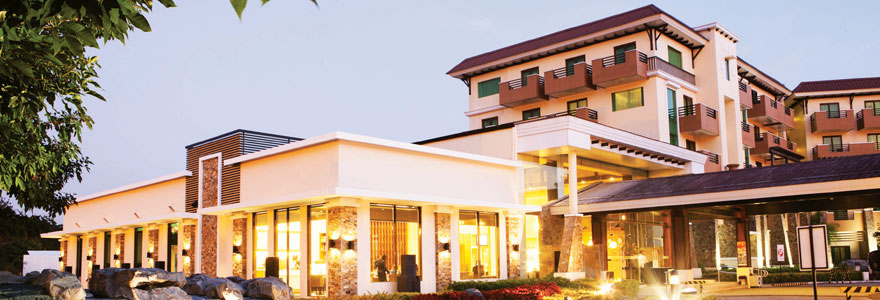
Pampanga Hotels!
Brief History of Pampanga by: Joas Chavez Pampanga, which derives its name from “pampang” or “pampangan” (river bank), is a rich and fertile valley in Central Luzon. On the western and northwestern side rise the foothills of the Zambales range….
Read more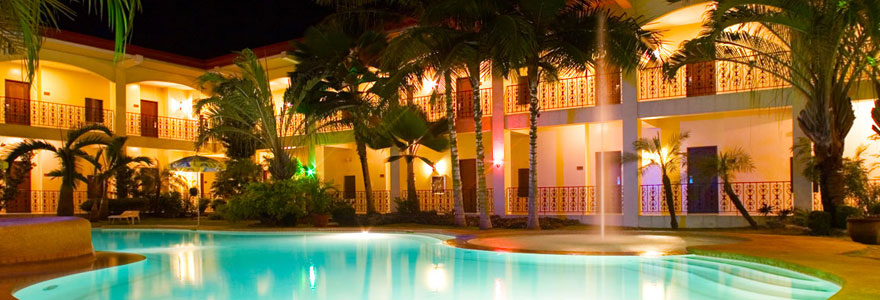
Palawan Hotels
Palawan History may be traced back 22,000 years ago, as confirmed by the discovery of bone fragments of the Tabon Man in the municipality of Quezon. Although the origin of the cave dwellers is not yet established, anthropologists believe they…
Read more
Olongapo Hotels!
The City of Olongapo City (Tagalog: Lungsod ng Olongapo; Sambal: Syodad nin Olongapo) is an urbanized city located in the province of Zambales, Philippines. According to the 2000 census, it has a population of 194,260 people in 43,107 households.
Read more
Manila Hotels
Metro Manila is situated on an isthmus bounded by Manila Bay to the west and Laguna de Bay to the south-east and divided by Pasig River that links the two bodies of water. The city lies on a wide flood…
Read more
Iloilo Hotels
Iloilo People from Iloilo are called Ilonggos. There are two local languages spoken in the province: Hiligaynon sometimes called Ilonggo, and Kinaray-a.
Read more
Dumaguete Hotels
The City of Dumaguete is a city in the Philippine province of Negros Oriental. It is the capital, principal seaport, and largest city of the province. According to the 2007 census, it has a population of 116,392 people. A person…
Read moreDipolog Hotels
Dipolog is a 1st class city and the capital of the province of Zamboanga del Norte on the southern Philippine island of Mindanao. Geographically, the city is surrounded by rolling hills to the southeast and the Sulu Sea to the…
Read more