Adventure & leisure
Tropical adventure travel offers some of the world’s most breathtaking experiences—from pristine islands surrounded by turquoise waters to mist-covered mountains draped in lush vegetation, and underwater ecosystems teeming with life. Yet behind these captivating images lies a complex web of practical considerations that can make or break your journey. Weather patterns, safety protocols, infrastructure limitations, and cultural nuances all play crucial roles in transforming a dream itinerary into a successful adventure.
This comprehensive resource examines the core pillars of tropical adventure and leisure travel, equipping you with the foundational knowledge to plan confidently. Whether you’re drawn to island hopping across archipelagos, exploring underwater biodiversity through diving or snorkeling, conquering tropical peaks, or venturing into truly remote territories, understanding these fundamental concepts will empower you to make informed decisions and manage expectations realistically.
Island Hopping: Selecting and Navigating Tropical Paradise
Choosing the right island destination requires matching your travel style with what each location genuinely offers. Some travelers seek pristine seclusion with minimal development, while others prefer islands with established tourism infrastructure and accessible amenities. The distinction matters significantly: remote islands often require multiple boat transfers, have limited accommodations, and may lack medical facilities, while more developed destinations offer convenience at the cost of solitude.
The logistics of remote island travel demand careful planning. Consider that inter-island transportation typically relies on boat schedules that can be weather-dependent rather than fixed. A journey that appears simple on a map—perhaps just 30 kilometers—might require an early morning departure, favorable sea conditions, and potentially an overnight stay at a transit point. Building buffer days into your itinerary protects against disruptions from tropical storms or rough seas that can ground small vessels for days.
Infrastructure expectations must align with reality. Many breathtaking islands operate on generator power for limited hours, have intermittent internet connectivity, and source fresh water from rainwater collection. These aren’t deficiencies but rather the trade-offs for experiencing untouched natural beauty. Understanding these limitations beforehand—and packing accordingly—transforms potential frustrations into accepted elements of authentic adventure travel.
Mastering Boat Tours and Sea Excursions
Boat tours form the backbone of tropical coastal exploration, yet selecting the right circuit requires more than choosing the prettiest promotional photos. Different routes prioritize different experiences: some focus on snorkeling multiple sites within protected bays, others emphasize visiting hidden lagoons accessible only by water, while still others combine island hopping with beach time and local culture.
Safety on small outrigger boats—the traditional vessels used throughout many tropical regions—merits serious attention. These narrow boats with lateral stabilizers excel in calm conditions but require passengers to:
- Distribute weight evenly to maintain balance
- Avoid sudden movements that could destabilize the craft
- Wear provided life jackets regardless of swimming ability
- Follow crew instructions during rough water navigation
Managing seasickness proactively enhances comfort significantly. Sitting near the center of the boat where motion is minimized, focusing on the horizon rather than reading or using devices, and considering preventive medication the night before departure all prove effective. For day-long excursions, packing essentials makes a substantial difference: waterproof bags for electronics, reef-safe sunscreen, wide-brimmed hats, extra drinking water, and light snacks ensure you’re prepared for six to eight hours on the water with limited shade.
Mountain Trekking: Conquering Tropical Peaks and Trails
Tropical mountain environments present unique challenges that differ markedly from temperate hiking. Trail hazards include intense humidity that accelerates dehydration, sudden rain that transforms paths into slippery mud channels, and vegetation that may harbor biting insects or irritating plants. Unlike well-marked trails in national parks with extensive signage, many tropical mountain routes follow informal paths where navigation skills—or more practically, an experienced guide—become essential.
The guide question isn’t merely about convenience. In regions where trails cross private land, pass through villages with customary access protocols, or traverse areas with wildlife concerns, local guides provide more than navigation—they offer cultural mediation and safety knowledge accumulated through years of experience. They know which river crossings become impassable after rain, which sections require rope assistance, and how to read weather patterns specific to that mountain.
Temperature drops at altitude surprise many first-time tropical trekkers. While coastal areas hover at 30°C (86°F), summits above 2,000 meters can plunge to 10°C (50°F) or below, particularly during pre-dawn summit pushes. Layering becomes crucial: moisture-wicking base layers, an insulating mid-layer, and a windproof outer shell accommodate dramatic temperature shifts within a single trek. Trail difficulty ratings, when available, should be interpreted conservatively—a “moderate” tropical mountain trail often involves steeper gradients, more technical sections, and greater cumulative elevation gain than similarly rated temperate hikes.
Underwater Adventures: Diving and Snorkeling Excellence
Scuba Diving Essentials for Tropical Waters
Tropical regions host some of the planet’s most spectacular diving, with coral reef systems supporting extraordinary biodiversity. For those new to diving, obtaining certification locally offers several advantages: warm water allows comfortable training without thick wetsuits, clear visibility builds confidence quickly, and certification costs in many tropical destinations run significantly lower than in Western countries—often 40-50% less for equivalent courses.
Marine conservation issues intersect with diving in meaningful ways. Healthy reefs face pressures from climate change, overfishing, and tourism impact. Responsible divers maintain neutral buoyancy to avoid damaging coral, never touch or feed marine life, and choose operators who follow sustainable practices like limiting group sizes and avoiding anchoring on reefs. Understanding these issues enriches the experience by contextualizing what you observe underwater.
Safety in remote dive sites requires additional considerations. Verify that operators carry oxygen, first aid equipment appropriate for dive emergencies, and have established evacuation protocols to the nearest hyperbaric chamber—which might be several hours away. Ask about guide-to-diver ratios; smaller groups allow better supervision and more personalized experiences, particularly important when diving unfamiliar sites with potential currents or depth variations.
Technical and Specialty Diving Opportunities
For experienced divers, tropical waters offer world-class technical diving and specialty encounters. Deep walls, underwater caves, and wreck sites attract advanced divers seeking challenges beyond recreational limits. These experiences demand specialized training, equipment, and planning—proper certification for technical diving, redundant safety systems, and meticulous nitrogen management for multi-level or decompression dives.
Specialty encounters with marine megafauna create unforgettable moments. Swimming alongside thresher sharks at cleaning stations, witnessing sardine runs where millions of fish create living silver tornadoes, or observing whale sharks gliding through blue water represent peak diving experiences. These encounters require precise timing—sardine runs occur during specific seasonal windows, thresher sharks visit cleaning stations at particular times of day, typically early morning before sunrise.
Snorkeling: Accessible Marine Life for Everyone
Snorkeling democratizes access to tropical marine life, requiring minimal equipment and no certification. Swimming safely with sea turtles—frequent residents of shallow seagrass beds and coral areas—means maintaining respectful distance, never attempting to touch or chase them, and moving slowly to avoid startling these protected creatures. The most magical encounters occur when you remain calm and allow turtles to approach out of curiosity.
Choosing appropriate gear significantly affects comfort and safety. A properly fitting mask that doesn’t leak prevents frustration, while a snorkel with a purge valve simplifies clearing water. Full-foot fins or adjustable strap fins matched to your swimming ability enhance propulsion without causing fatigue. For those concerned about strong currents, snorkeling with a companion, staying near the boat or shore, and wearing a brightly colored rash guard or flotation vest all enhance safety.
Exploring the Mountainous North and Cultural Highlands
Highland regions in tropical countries offer dramatically different experiences from coastal areas. The mountainous north of many archipelagic nations features cooler climates, terraced agriculture, distinct cultural groups, and landscapes where mist-shrouded peaks overlook valleys carved by centuries of cultivation. Preparing for genuinely cold weather—temperatures that may require jackets, long pants, and even light gloves at night—surprises visitors expecting perpetual tropical heat.
Navigating winding mountain roads tests even experienced drivers. Routes climb through hundreds of hairpin turns with steep drop-offs, often lacking guardrails. Road conditions vary from smooth pavement to sections damaged by landslides or heavy rain. Hiring an experienced local driver who knows the route’s particular challenges often proves worthwhile, allowing you to appreciate stunning vistas rather than white-knuckling the steering wheel.
The region’s famous rice terraces—some carved into mountainsides over two thousand years ago—present different visual spectacles depending on the agricultural cycle. Newly planted terraces appear as stepped mirrors reflecting sky and clouds, growing rice creates walls of vibrant green, and pre-harvest fields turn golden. Understanding this cycle helps optimize timing; water-filled terraces typically occur after the main planting periods. Cave systems threading through limestone karst formations offer additional exploration opportunities, from easy walking caves to technical spelunking requiring guides and equipment.
Venturing into Remote and Untouched Territories
The final frontiers of tropical adventure exist in places where tourism infrastructure remains minimal or nonexistent. These destinations—often requiring special permits, multiple transport connections, or even security clearances—reward intrepid travelers with experiences of genuine wilderness and cultural encounters far removed from conventional tourism.
Camping on remote beaches epitomizes this frontier spirit. Without hotels or restaurants, you become self-sufficient: bringing food, water, camping equipment, and understanding that assistance isn’t a phone call away. The trade-off? Private beaches where your footprints might be the only human traces, night skies unpolluted by light, and the sound of waves as your evening soundtrack. Practical challenges include protecting supplies from sand fleas and other pests using sealed containers and elevated storage, managing limited freshwater for drinking and washing, and timing visits around tide cycles that may restrict beach access or reveal spectacular sandbars.
Accessing the most remote islands often requires chartering boats, coordinating with local contacts who facilitate permissions, and accepting significant logistical uncertainty. Some destinations involve cultural considerations requiring sensitivity—certain communities may expect visitors to dress modestly, seek permission before photography, or observe local customs. These aren’t burdens but opportunities for authentic cultural exchange when approached with respect and humility.
Adventure and leisure travel in tropical environments offers extraordinary rewards balanced against real challenges. The difference between a frustrating struggle and an enriching journey often lies in preparation, realistic expectations, and understanding the fundamental principles that govern each type of adventure. Whether you’re snorkeling above coral gardens, trekking to mountain summits, or discovering islands that see few visitors, this foundational knowledge empowers you to plan confidently and embrace both the beauty and the complexity of tropical exploration.
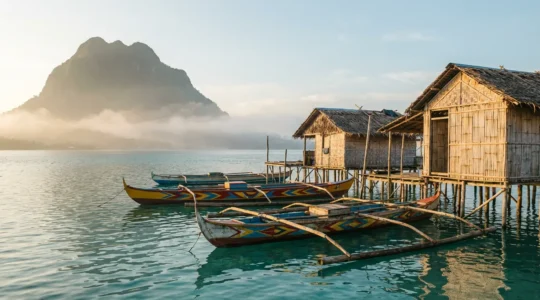
Tawi-Tawi: Is It Safe for Tourists to Visit the Southernmost Province?
For adventurers drawn to Tawi-Tawi’s pristine islands but deterred by fears of piracy and instability, this guide reframes the concept of safety. It is not a matter of chance, but the result of a deliberate and methodical process. By treating…
Read more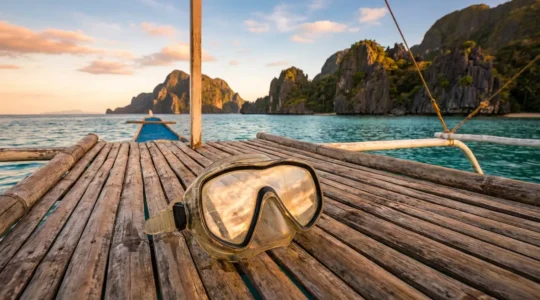
Mask Fogging: How to Prep Your New Mask Before the Island Hopping Tour?
A foggy mask is just the first of many preventable issues that can ruin an otherwise perfect snorkeling trip. True preparation involves understanding your gear’s limits, from the CO2 risk in full-face masks to the necessity of fins in open…
Read more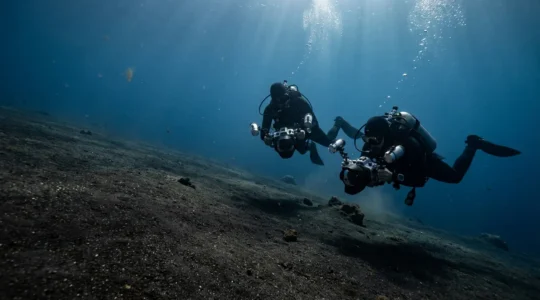
Anilao vs. Dauin: Which Muck Diving Capital Should Macro Photographers Choose?
For serious underwater photographers, the choice between Anilao and Dauin is just the beginning. The real challenge lies in mastering the complex on-the-ground logistics of a Philippine dive expedition. This guide moves beyond destination comparisons to provide a technical deep-dive…
Read more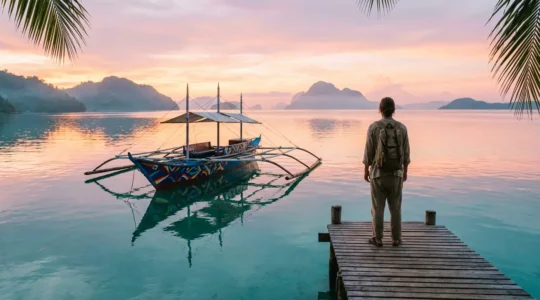
Why You Need to Travel 24 Hours to Reach the Best Beaches in the Philippines?
The grueling 24-hour journey to a remote Philippine beach isn’t a flaw in the system; it’s a ‘travel filter’ that actively preserves paradise and guarantees you’ll have it all to yourself. Mastering the journey’s logistics—the ferries, buses, and boats—is more…
Read more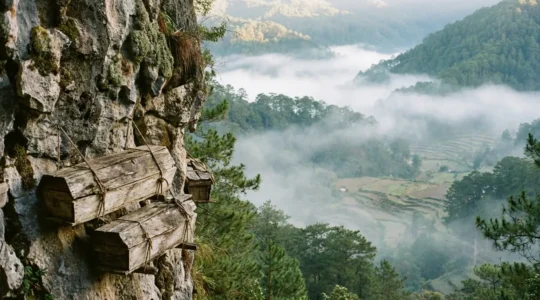
Why Is Sagada the Only Place Where Coffins Hang from Cliffs?
Many come to the Cordillera for the mystery of its hanging coffins, believing it’s a relic of the past. This guide reveals it’s part of a living, breathing culture where nature and spirit are one. The true journey isn’t just…
Read more
SM Malls vs. Greenhills Tiangge: Which Shopping Experience Is for You?
Choosing between SM Malls and Greenhills isn’t about comfort versus chaos; it’s a decision between two distinct Filipino shopping cultures. SM Malls function as modern “third places”—all-in-one community hubs for shopping, dining, and even worship. Greenhills operates on “relationship commerce,”…
Read more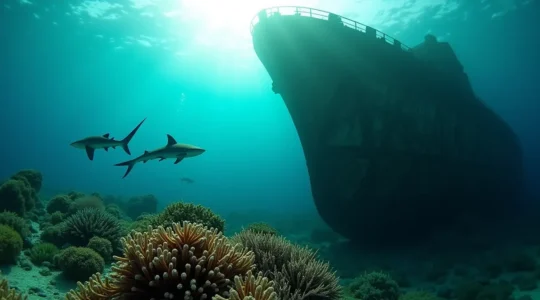
Tubbataha vs. Coron Wrecks: Which Dive Trip Is Worth the Premium Price?
For the advanced diver, the choice between Tubbataha and Coron is not about coral vs. wreck; it’s a decision between investing in unparalleled ecological purity or profound historical immersion. Tubbataha’s premium price buys you access to a resilient, isolated ecosystem…
Read more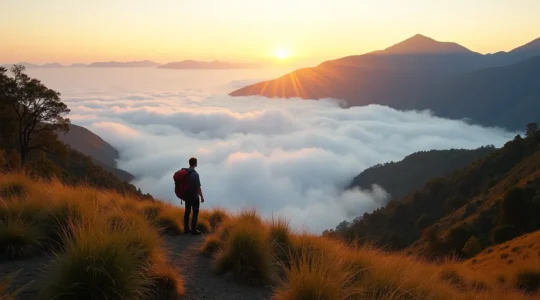
Mt. Pulag or Mt. Ulap: Which Cloud Sea Hike Fits Beginners?
Choosing between Mt. Pulag and Mt. Ulap isn’t about which is “easier,” but which high-altitude classroom best suits your current fitness and mental preparedness. Mt. Pulag (Ambangeg Trail) is a masterclass in altitude acclimatization and cold weather management, testing your…
Read more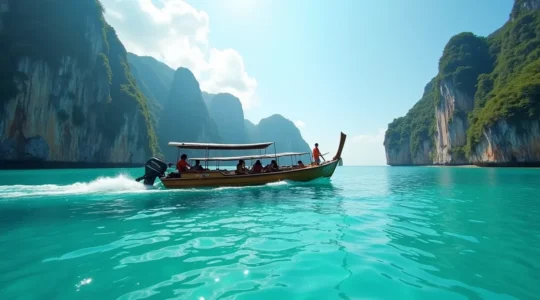
How to Plan a Private Island Hopping Tour in Coron for the Price of a Joiner?
The biggest myth about Coron island hopping is that a private boat is a luxury expense. In reality, for a group of friends, it’s often cheaper than buying individual joiner tour tickets. The key is “cost dilution”: a private boat…
Read more
Palawan or Siargao: Which Tropical Island Fits Your Travel Personality?
Choosing between Palawan and Siargao is less about the postcard image and more about the underlying travel logistics you’re willing to accept. Palawan offers iconic, structured beauty but demands more point-to-point travel and presents higher upfront costs to access its…
Read more