Filipino cuisine
Filipino cuisine represents one of Southeast Asia’s most distinctive culinary traditions, shaped by over 7,600 islands and centuries of cultural exchange. From Spanish colonial influences to Chinese trading relationships and indigenous Malay roots, this archipelago’s food tells a story of adaptation, creativity, and resilience. Unlike the highly standardized cuisines of neighboring countries, Filipino cooking thrives on regional variation, with each province offering its own interpretation of national favorites.
For travelers seeking authentic cultural experiences, understanding Filipino food culture goes far beyond simply tasting dishes. It involves appreciating the ritual of communal eating, the strategic balance of flavors in every meal, and the social customs that transform dining into a celebration. Whether you’re navigating a bustling public market at dawn, attempting your first balut, or timing your arrival at a lechon feast, this comprehensive resource will equip you with the knowledge to engage confidently with one of the world’s most welcoming food cultures.
The Foundation: Understanding Filipino Flavor Profiles
The Filipino palate operates on a principle that might initially surprise Western travelers: the simultaneous pursuit of contrasting flavors within a single meal. Rather than isolating tastes, traditional cooking seeks a dynamic tension between sweet and sour, salty and savory, creating dishes that stimulate multiple taste receptors.
The Role of Rice in Every Meal
Rice functions as more than a side dish in Filipino cuisine—it serves as the foundational canvas upon which all other flavors are painted. The average Filipino consumes rice three times daily, using it to temper intensely flavored viands and provide textural contrast. Think of rice as the white space in a painting: without it, the bold strokes of adobo or sinigang would overwhelm the composition.
This rice-centric approach influences portion sizes and meal structure. Main dishes are intentionally concentrated in flavor because they’re designed to be eaten in small amounts alongside generous servings of steamed rice. Understanding this ratio—roughly one part viand to three parts rice—is essential for ordering appropriately in local restaurants.
The Art of Sawsawan (Dipping Sauces)
Filipino dining tables invariably feature small dishes of customized dipping sauces, allowing diners to personalize their flavor experience. The most common base combines soy sauce with calamansi (Philippine lime), but variations incorporate fish sauce, vinegar, chili peppers, or minced garlic depending on regional preference and the dish being served.
This practice reflects a democratic approach to seasoning. Rather than assuming all diners share the same taste preferences, sawsawan empowers individuals to adjust saltiness, acidity, and heat to their liking. For travelers, learning to prepare your preferred sauce mixture demonstrates cultural awareness and enhances your enjoyment of grilled meats, seafood, and fried dishes.
Regional Diversity: A Culinary Journey Across the Archipelago
The geographic fragmentation of the Philippines has prevented culinary homogenization, resulting in distinct regional food identities. What residents of Manila consider essential ingredients might be entirely unfamiliar to someone from Mindanao, and cooking techniques vary dramatically between coastal and highland communities.
Luzon’s Complex Flavor Layers
The northern island of Luzon showcases both Spanish-influenced urban cooking and indigenous mountain traditions. In Metro Manila and surrounding provinces, you’ll encounter dishes like kare-kare (oxtail in peanut sauce) and caldereta (tomato-based stews) that reveal colonial heritage. Meanwhile, the Bicol region has developed a cuisine built around coconut milk and chili peppers, producing fiery dishes like Bicol Express that challenge even experienced spice enthusiasts.
The historic Chinatown district of Binondo in Manila represents centuries of culinary fusion, where Chinese cooking techniques merged with local ingredients to create uniquely Filipino-Chinese dishes. Visiting this concentrated food district offers travelers an efficient introduction to noodle traditions, dumpling varieties, and bakery items that have become integral to mainstream Filipino cuisine.
Visayas’ Coastal Delights
The central islands benefit from abundant seafood and a cooking philosophy that emphasizes ingredient freshness over complex preparation. Iloilo’s famous La Paz Batchoy—a noodle soup combining pork offal, shrimp, and crushed chicharrón—exemplifies how Visayan cooks layer textures and proteins to create depth without lengthy cooking times.
Sugar production in Negros has historically influenced the region’s preference for slightly sweeter flavor profiles, while Cebu’s proximity to trade routes introduced early exposure to international ingredients. The Visayan approach to grilling and raw seafood preparations (kinilaw) offers lighter alternatives to the heavier stews common in Luzon.
Mindanao’s Multicultural Influences
The southernmost island group presents the most diverse culinary landscape, reflecting significant Muslim populations whose halal dietary requirements have shaped local food culture. Turmeric-rich dishes, extensive use of lemongrass, and preferences for goat and chicken over pork distinguish Mindanaoan cooking from other regions.
The fusion of indigenous Lumad traditions, Muslim practices, and coastal Christian communities creates fascinating hybrids. Travelers willing to venture beyond typical tourist routes discover preparations rarely seen elsewhere in the archipelago, including unique fermented fish products and distinctive rice cake varieties.
Iconic Dishes Every Traveler Must Try
While regional specialties number in the thousands, several dishes have achieved national status and offer accessible entry points for understanding Filipino flavor principles.
Lechon: The Centerpiece of Filipino Celebrations
No dish commands more respect or generates longer queues than perfectly executed lechon—a whole pig roasted over charcoal until the skin achieves a glass-like crispness while the meat remains impossibly moist. The preparation requires specialized skill, with the most renowned lechoneros (roasters) booking their services months in advance for weddings and festivals.
Timing matters crucially when pursuing optimal lechon. The pig reaches its peak immediately after roasting, with the skin losing its prized crackle within hours. Cebu and Manila represent competing schools of preparation, the former relying on the pork’s natural flavors enhanced by lemongrass stuffing, while the latter often serves the meat with a rich liver-based sauce.
Adobo and Its Many Regional Variations
Often cited as the unofficial national dish, adobo demonstrates Filipino cooking’s adaptability and the impossibility of defining a single “authentic” version. The basic technique involves simmering protein in vinegar, soy sauce, and garlic, but the ratios, additional ingredients, and cooking duration vary dramatically between families and regions.
Some versions lean heavily acidic, others emphasize soy sauce salinity, while certain regional interpretations add coconut milk, turmeric, or even pineapple. The dish’s vinegar content originally served a practical preservation function in the tropical climate, allowing cooked meat to remain safe for consumption without refrigeration. Modern Filipino cooks often deliberately prepare excess adobo, as the flavors intensify when reheated the following day.
Sisig: The Sizzling Sensation
Originally a Pampanga specialty, sisig has conquered the entire archipelago through sheer addictiveness. Finely chopped pig’s head and ears are seasoned with calamansi and chili peppers, then served on a screaming-hot cast iron plate that continues cooking the dish at the table. The textural interplay between crispy bits, tender meat, and the optional raw egg stirred in just before eating creates an almost hypnotic eating experience.
The dish pairs exceptionally well with cold beverages and has become the quintessential pulutan (drinking food) in Filipino bars and restaurants. For travelers concerned about adventurous ingredients, many establishments now offer sisig variations using chicken, seafood, or tofu while maintaining the essential flavor profile and presentation style.
Dining Customs and Filipino Food Culture
Technical knowledge of dishes provides only partial understanding—fully appreciating Filipino cuisine requires engaging with the social rituals surrounding food.
Kamayan: The Tradition of Eating with Hands
While utensils dominate urban dining, the traditional kamayan style—eating with hands—persists in homes and specialized restaurants. This isn’t casual or unsophisticated; proper kamayan technique requires practice. Diners use only the right hand, forming rice and viands into compact balls using the fingers before bringing food to the mouth without allowing it to touch the palm.
Beyond mere mechanics, kamayan embodies Filipino hospitality principles. Food is typically spread across banana leaves in the table’s center, with all diners sharing from the communal spread. This arrangement physically prevents individualism and enforces the collective, generous spirit central to Filipino food culture.
Timing Your Meals Like a Local
Filipino meal schedules accommodate both traditional three-meal structures and an unofficial fourth meal called merienda—an afternoon snack that often resembles a light meal. Restaurants serving breakfast dishes like tapsilog (cured beef, fried rice, and egg) often operate from early morning through lunch, while establishments specializing in merienda items flourish between 3:00 and 6:00 PM.
Understanding these rhythms helps travelers avoid disappointing discoveries, such as arriving at a renowned pandesal bakery after 9:00 AM when the prized bread rolls have sold out, or attempting to order certain dishes outside their traditional serving windows.
The Social Nature of Filipino Dining
Solo dining remains relatively uncommon in Filipino culture, where meals serve primarily social functions. Restaurants automatically provide sharing plates, and dishes arrive simultaneously rather than in courses, encouraging communal eating. The question “Kain tayo?” (Shall we eat?) functions less as a genuine invitation and more as a polite acknowledgment, though foreign travelers should understand that repeatedly declining offered food can cause unintended offense.
The concept of hiya (shame or embarrassment) influences dining behavior, making Filipinos reluctant to take the last piece from a shared plate. Observant travelers notice the final morsel often remains untouched unless someone breaks the implicit standoff through humor or by cutting it into smaller pieces to share.
Navigating the Palengke: Your Gateway to Authentic Ingredients
Public markets—called palengke in Tagalog—function as the Philippines’ true culinary heart, where local chefs and home cooks source ingredients and where travelers can observe food culture in its most unfiltered form.
When to Visit for the Freshest Produce
Serious market shoppers arrive between 5:00 and 7:00 AM, when seafood vendors display their overnight catch and vegetable sellers arrange produce picked hours earlier. The best selection of tropical fruits, obscure vegetables, and premium cuts disappears before mid-morning, claimed by restaurateurs and discerning home cooks who maintain relationships with preferred vendors.
The early timing also provides relief from tropical heat and allows observation of the market’s social dimension—vendors and regular customers exchange neighborhood news, share meals from adjacent food stalls, and maintain credit arrangements built on years of trust.
Mastering the Art of Haggling
Unlike the aggressive bargaining characterizing some Asian markets, Filipino haggling operates more subtly. Vendors typically quote fair prices to regular customers, reserving inflated “tourist prices” for obvious outsiders. The negotiation process emphasizes relationship-building over confrontational price disputes.
Effective strategies include purchasing multiple items from a single vendor (creating volume that justifies a discount), asking “Tawad?” (Can you reduce the price?) with a friendly smile rather than demanding lower prices, and observing what local customers pay before making your own purchase. Vendors often reward polite foreign visitors who demonstrate cultural respect with complimentary extras or slightly better pricing.
Identifying Tropical Fruits and Local Vegetables
Philippine markets overflow with produce unfamiliar to international visitors. Beyond common items like mangoes and bananas, stalls feature rambutan, lanzones, atis (sugar apple), santol, and dozens of regional varieties. Vendors generally welcome questions and offer samples, particularly when travelers show genuine curiosity rather than skepticism.
Vegetable sections present even greater diversity, with multiple varieties of bitter melon, numerous leafy greens without English names, and ingredients essential to specific regional dishes. Smart travelers photograph interesting items and note their names, enabling later research or requests at restaurants.
Adventurous Eating: Exotic Filipino Delicacies
Filipino cuisine includes ingredients and preparations that challenge even experienced food travelers. Approaching these dishes with cultural humility and open-mindedness often leads to rewarding discoveries.
Balut: The Proper Way to Enjoy This Street Food
The fertilized duck egg containing a partially developed embryo has achieved near-mythical status among travelers seeking culinary challenges. Yet for millions of Filipinos, balut represents ordinary street food, valued for its protein content and rich flavor rather than shock value.
Proper consumption involves several steps: crack the egg’s wider end, sip the surrounding broth (often considered the best part), peel away more shell, season the contents with salt or vinegar from provided packets, then eat everything in one or two bites. Most vendors offer varying development stages—17-day eggs show less visible formation and provide a gentler introduction than fully developed versions.
Tamilok and Other Regional Specialties
This woodworm harvested from rotting mangrove logs in Palawan represents extreme regional specificity—rarely consumed outside its local context. Served raw like oysters and seasoned with vinegar and spices, tamilok’s texture resembles oysters while its flavor profile tends toward mild and slightly sweet.
Similar regional extremes include soup number 5 (bull testicle soup) in certain areas, kamaro (mole crickets) in Pampanga, and various insects fried until crispy. These dishes rarely appear on tourist-oriented menus but become accessible to travelers who venture into local restaurants or express interest to Filipino friends.
Overcoming the Initial Hesitation
Psychological preparation matters more than physical constitution when approaching unfamiliar foods. Rather than obsessing over ingredients before tasting, experienced travelers recommend trying small portions without excessive contemplation. Many initially intimidating dishes prove milder and more palatable than anticipated, with the cultural context and social atmosphere enhancing the experience.
Remember that declining food doesn’t constitute cultural failure. Filipinos generally appreciate foreigners who attempt challenging dishes even if they ultimately don’t enjoy them. Polite honesty—”I respect the tradition, but this isn’t for me”—generates far more goodwill than forced enthusiasm or dramatic disgust.
Practical Considerations for Food Travelers
Logistical awareness helps travelers maximize their culinary experiences while minimizing potential problems.
Finding Vegetarian and Dietary Alternatives
Filipino cuisine’s heavy reliance on pork, fish sauce, and shrimp paste creates challenges for vegetarians and those with dietary restrictions. However, growing awareness has prompted better options in urban areas, and certain traditional dishes naturally accommodate plant-based diets. Pinakbet (vegetable stew), ginataang gulay (vegetables in coconut milk), and various kakanin (rice cakes) often contain no animal products, though confirming ingredients remains essential as preparation methods vary.
Learning key phrases helps: “Walang karne” (no meat), “walang baboy” (no pork), and “vegetarian” (increasingly understood in cities). Religious diversity means halal and kosher options exist in areas with significant Muslim populations, while international chain restaurants provide familiar fallback options when local alternatives prove insufficient.
Ensuring Food Safety and Hygiene
Street food’s safety depends less on appearance than on operational indicators. High customer turnover means ingredients don’t languish in tropical heat, while vendors who maintain steady business demonstrate local trust. Observe whether vendors handle money and food with the same hands, whether cutting boards appear cleaned between uses, and whether cooked and raw items remain properly separated.
Drinking water safety varies significantly—ice in reputable establishments typically comes from purified sources, while rural areas may use untreated water. When uncertain, defaulting to bottled beverages provides simple risk reduction. Digestive adjustments to new bacteria strains affect even cautious travelers, so carrying basic medications for stomach upset demonstrates practical wisdom rather than pessimism.
Selecting the Best Food Souvenirs
Edible souvenirs allow travelers to extend their Philippine food experiences beyond the trip. Dried mangoes from Cebu represent the most popular choice—shelf-stable, widely appreciated, and distinctly Filipino. Other options include packaged polvoron (shortbread cookies), tableya (pure chocolate tablets), various flavors of chicharon (pork rinds), and regional specialties like Baguio’s strawberry jam or Iloilo’s butterscotch.
Airport regulations prohibit most fresh items and liquids exceeding carry-on limits, but vacuum-sealed products generally travel well. Purchasing from supermarkets rather than airport shops provides better value, though specialty stores in tourist areas offer curated selections with appropriate packaging for transport. Consider how items will survive tropical heat during your journey home, avoiding chocolate products during hot months unless you can ensure climate-controlled shipping.
Filipino cuisine rewards curious travelers willing to move beyond surface-level encounters. By understanding the cultural context behind cooking techniques, respecting dining customs, and approaching unfamiliar ingredients with openness, you transform meals from simple sustenance into meaningful cultural exchanges. The archipelago’s food culture thrives on generosity and sharing—qualities that become immediately apparent once you accept the implicit invitation to join the table.
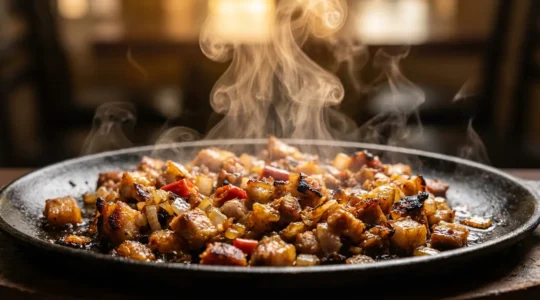
Why Is Authentic Kapampangan Sisig Never Served With Mayonnaise?
Adding mayonnaise to sisig isn’t a modern twist; it’s a fundamental misunderstanding of the dish’s entire culinary philosophy. Authentic sisig relies on rendered pork fat, and sometimes brain, for richness, not a dairy-based sauce that masks its true character. Its…
Read more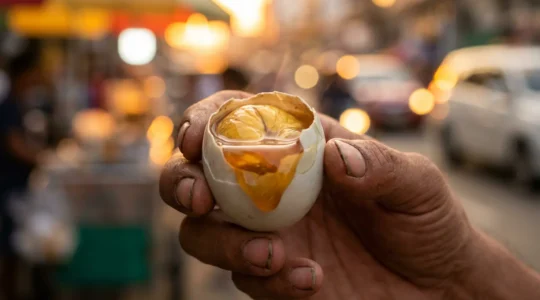
Balut: Is the Duck Embryo Experience Really Worth the Hype?
Forget everything you’ve heard. Eating balut and other Filipino street foods isn’t about surviving a gross-out challenge; it’s the ultimate tourist filter. This is your guide to earning real culinary street cred, moving beyond the hype to understand the technique,…
Read more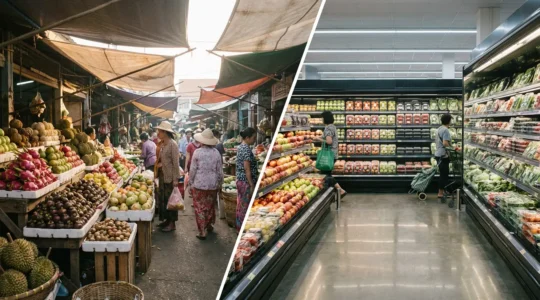
Supermarket vs. Wet Market: Where Should You Buy Fruits?
The choice between a Filipino supermarket and a ‘palengke’ (wet market) isn’t about convenience versus cost; it’s about unlocking a superior tier of freshness and value by mastering the market’s unwritten rules. Supermarkets offer convenience and standardized pricing, but at…
Read more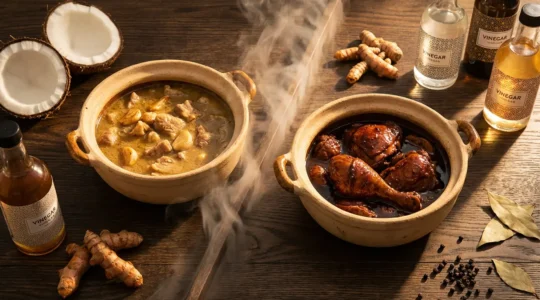
White Adobo vs. Dark Adobo: Why Does the Recipe Change Every 50 Kilometers?
The endless variations of Filipino adobo aren’t random; they follow a logical “culinary grammar” dictated by regional history, agriculture, and science. The core principle of adobo is acid-based preservation, a pre-colonial technique essential in a tropical climate. Soy sauce is…
Read more
Pampanga or Negros: Which Province Is the True Culinary Capital?
The debate over the Philippines’ culinary capital isn’t about choosing between Pampanga and Negros; it’s about realizing the true prize is mastering the unwritten ‘authenticity codes’ of each region’s iconic dishes. Pampanga’s claim is rooted in historical prestige and complex,…
Read more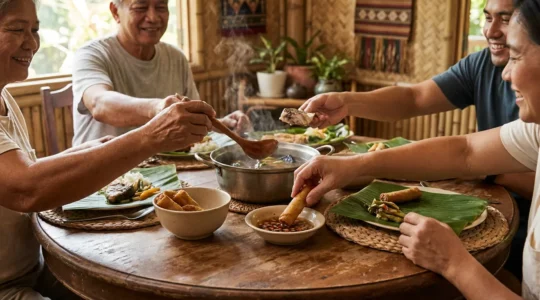
Why Is Filipino Food So Sour Compared to Other Asian Cuisines?
The prominent sourness in Filipino cuisine is far more than a preservation technique for a tropical climate. It is a deliberate gastronomic philosophy designed to stimulate the appetite, provide a sharp counterpoint to rich and fatty flavors, and most importantly,…
Read more