
In summary:
- Understand that airlines enforce the “onward ticket” rule to avoid fines, not just to inconvenience you.
- Extending your visa is a straightforward, in-person process at a Bureau of Immigration (BI) office; no agent is needed.
- Overstaying, even by one day, triggers significant penalties that can double the cost of a standard extension.
- After 59 days, obtaining an ACR I-Card is mandatory and foundational for long-term living, including opening bank accounts.
- Your visa status directly impacts practical life choices like schooling, housing, and even local travel.
The thought of dealing with immigration bureaucracy in a foreign country can be daunting. For many long-term travelers in the Philippines, the initial 30-day visa-free stay feels far too short. The common assumption is that extending this period is a complex, expensive process best left to agents. You might hear advice centered on paying for visa-run flights or hiring a “fixer” to navigate the system for you, adding unnecessary costs and stress to your journey. This approach treats immigration as an obstacle to be circumvented rather than a process to be understood.
But what if the key to a stress-free, long-term stay wasn’t about finding shortcuts, but about understanding the system’s logic? The Philippine immigration system, while detailed, is surprisingly transparent and manageable for the individual traveler. Successfully extending your tourist visa isn’t about knowing a secret handshake; it’s about understanding the ‘why’ behind each rule. By grasping the logic of airline policies, overstay penalties, and visa requirements, you can proactively manage your stay, save significant money, and transition from a temporary visitor to a confident long-term resident.
This guide demystifies the entire process, moving beyond simple checklists. We will explore the reasoning behind airline boarding denials, compare different stay options for families, and quantify the real cost of common mistakes. By the end, you’ll have the procedural knowledge and confidence to handle your visa extensions yourself, making your extended stay in the Philippines both legal and affordable.
This article provides a detailed roadmap for navigating your long-term stay in the Philippines, from initial entry requirements to the practicalities of daily life. The following sections break down each critical aspect to ensure you are fully prepared.
Summary: A Traveler’s Guide to Philippine Visa Extensions and Long-Term Stays
- Why Do Airlines Deny Boarding If You Don’t Have an Onward Ticket?
- Balikbayan Program vs. Tourist Visa Extension: Which Is Right for Spouses?
- The Costly Mistake of Overstaying by Just One Day at NAIA Airport
- How to Fill Out the eTravel Card Correctly to Speed Up Arrival?
- When to Apply for a Long-Stay Visa Before Your Trip Begins?
- International School vs. Local Private School: Is the Tuition Gap Justified?
- Condo Living vs. House and Lot: Which Is Better for Expats in Manila?
- Jeepney, Tricycle, or Grab: Which Transport Mode Is Safest for Night Travel?
Why Do Airlines Deny Boarding If You Don’t Have an Onward Ticket?
It’s one of the most common moments of panic for travelers heading to the Philippines: the check-in agent asks for proof of an onward ticket, and you don’t have one. This isn’t an arbitrary airline rule designed to inconvenience you; it’s a direct consequence of Philippine immigration law. The airline acts as the first line of immigration enforcement. If they allow a passenger to board who is subsequently denied entry into the Philippines (for not having proof of intent to leave), the airline is responsible for flying that passenger back at its own expense and can face hefty fines. Therefore, for their own financial and legal protection, they are extremely strict about this rule.
Understanding this “system logic” is the first step in proactive navigation. The airline isn’t questioning your travel style; it’s simply complying with a non-negotiable mandate. To satisfy this requirement, travelers often book a cheap, throwaway ticket to a nearby country or use a specialized ticket rental service. This solves the immediate problem of boarding the plane, but the real solution is to have a clear plan for your intended stay, including how and when you will handle your visa extensions. This foresight prevents last-minute scrambles and puts you in control of your journey from the very beginning.
The process of extending your visa is the core of this plan. It is a straightforward procedure that you can easily do yourself at any Bureau of Immigration (BI) office. Thinking about this process before you even leave for the Philippines allows you to travel with confidence, knowing you have a plan that complies with all regulations.
Action Plan: Your First Visa Extension Audit
- Points of contact: Identify the most convenient Bureau of Immigration (BI) offices for your stay, noting both main and satellite locations.
- Document Collection: Gather your original passport and prepare sufficient cash (Philippine Pesos) to cover all potential extension and express lane fees.
- Coherence Check: Decide in advance whether you need the express (same-day) or regular (3-day) service based on your travel timeline and budget.
- Mnemonic Check: Memorize the full address of your hotel or residence in the Philippines, as this is required for the application form and serves as your official point of contact.
- Integration Plan: Schedule your visit to the BI office, allocating at least half a day to the process to avoid any time-pressure or stress.
Ultimately, the onward ticket rule is a filter. By understanding and preparing for it, you demonstrate that you are a prepared and responsible traveler, setting a positive tone for all your future interactions with Philippine immigration.
Balikbayan Program vs. Tourist Visa Extension: Which Is Right for Spouses?
For foreign nationals married to or traveling with a Filipino citizen, a special privilege exists that completely changes the visa landscape: the Balikbayan Program. This is not a visa but a special status granted upon arrival. If you are traveling with your Filipino spouse, you can be granted a one-year, visa-free stay. This is a significant advantage over the standard 30-day visa-free entry for tourists and eliminates the need for frequent extensions during the first year. To qualify, you must enter the Philippines with your Filipino spouse and present your original marriage certificate to the immigration officer.
In contrast, if you are not eligible for the Balikbayan program or are traveling alone, you will fall under the standard tourist visa extension process. This involves a series of extensions that can be done for varying lengths of time. Understanding the structure of these extensions is crucial for long-term planning. The first extension converts your initial 30-day stay into a 59-day stay. After that, you can apply for extensions of one, two, or six months at a time.
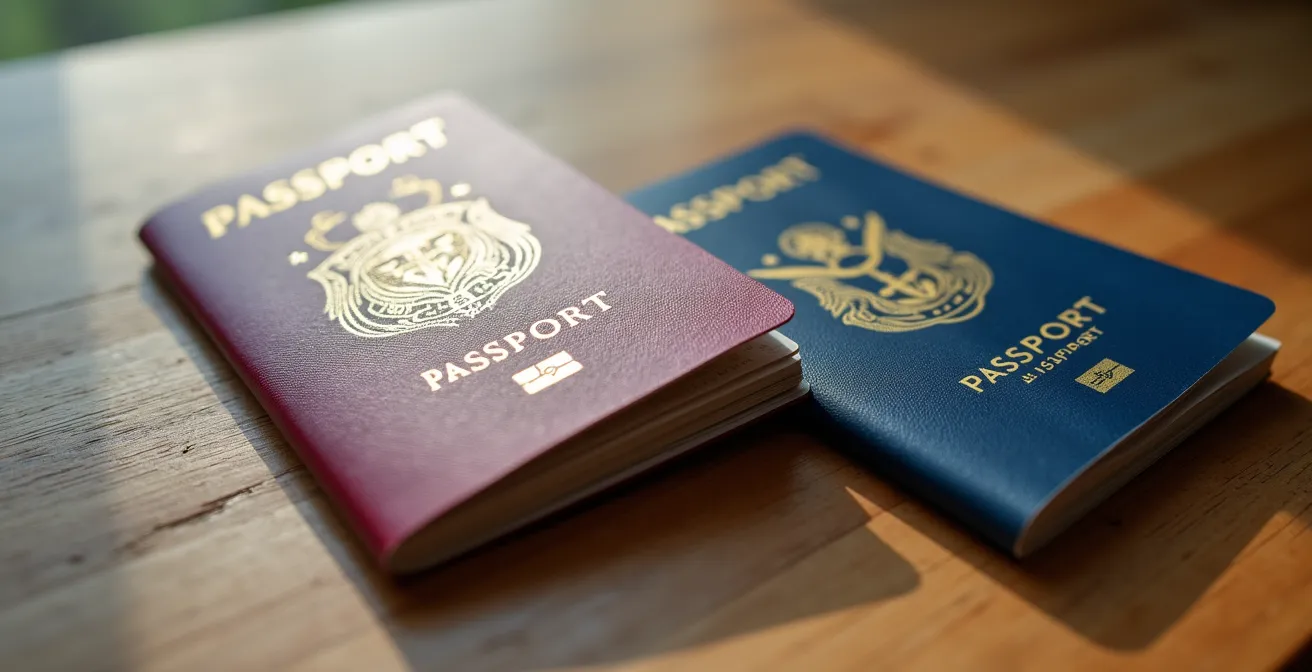
The choice between these two paths depends entirely on your personal circumstances. The Balikbayan privilege is clearly the superior option for eligible spouses, offering convenience and significant cost savings. For everyone else, mastering the standard tourist visa extension schedule is the key to a legal and uninterrupted long-term stay. The following table breaks down the typical extension timeline for a visa-exempt national.
This comparative data, based on a comprehensive guide to visa extensions, helps illustrate the structured path for long-term stays.
| Extension Period | Initial Stay | Extension Duration | Maximum Total Stay |
|---|---|---|---|
| First Extension (Visa Waiver) | 30 days | 29 days | 59 days |
| Second Extension | 59 days | 1, 2, or 6 months | Up to 8 months |
| Subsequent Extensions | After 59 days | 1, 2, or 6 months | 36 months (visa-exempt nationals) |
| For Visa-Required Nationals | 59 days | 1, 2, or 6 months | 24 months maximum |
Making the right choice from the start ensures your stay is built on a solid legal foundation, freeing you to focus on enjoying your time in the country rather than worrying about your next visa appointment.
The Costly Mistake of Overstaying by Just One Day at NAIA Airport
In the world of immigration, deadlines are absolute. Overstaying your visa, even by a single day, is not a minor oversight—it’s a violation that triggers an “implication cascade” of fees and administrative hurdles. Many travelers miscalculate their stay, assuming a small buffer is acceptable. However, the system’s logic is binary: you are either legal or you are an overstayer. The moment your authorized stay expires, a series of penalties is automatically applied, turning a routine departure or extension into a costly and stressful ordeal.
The financial consequences are immediate and significant. The standard overstaying fee is just the beginning. You will also be charged for a “Motion for Reconsideration” to rectify your status and will likely be required to pay mandatory express lane fees to process your case immediately, especially if you are at the airport trying to catch a flight. A simple miscalculation can easily double or triple the cost of what a timely extension would have been.
Case Study: The Real Cost of a One-Day Overstay
A traveler’s experience detailed by Nomads in Paradise highlights this perfectly. By miscalculating their 59-day stay and booking a flight for day 60, they were stopped at airport immigration. Instead of the standard PHP 2,030 for a regular extension, they had to pay that amount plus a PHP 1,000 mandatory express fee, a PHP 500 overstaying fee, and another PHP 500 for the Motion of Reconsideration. The total cost ballooned to PHP 4,030, nearly double the expected price, all due to a one-day error. This is a clear example of the “cost of ignorance” within the system.
Beyond the financial hit, overstaying creates a negative record with the Bureau of Immigration. While a single, short overstay that is promptly resolved is unlikely to lead to blacklisting, it complicates your immigration profile. It introduces unnecessary scrutiny for future extensions or visa applications. Proactive navigation means treating your visa expiry date as an immoveable deadline and planning your extension or departure well in advance. The peace of mind that comes from being in full compliance is invaluable and costs nothing.
Remember, the immigration system is not designed to be flexible on deadlines. The responsibility for tracking dates and initiating extensions on time rests solely with the traveler. A calendar reminder is your best tool to avoid these entirely preventable costs.
How to Fill Out the eTravel Card Correctly to Speed Up Arrival?
The Philippine eTravel card is a mandatory digital requirement for all arriving passengers, including Filipino citizens. It is not a visa, but an integrated border control, health declaration, and contact tracing platform. Filling it out correctly and in a timely manner is your first interaction with the Philippine immigration system and is key to a smooth arrival. The most important thing to understand is that the eTravel platform is free and should only be accessed through the official government website: etravel.gov.ph. Avoid any third-party sites that charge a fee, as they are scams.
You can register and get your QR code up to 72 hours before your flight. The form will ask for your personal details (name, passport number, date of birth), flight information (date of arrival, flight number), and your address in the Philippines. For this, your hotel or first night’s accommodation address is sufficient. It will also include a short health declaration checklist. Be honest and accurate with your information, as it will be checked by both the airline at your departure airport and the Bureau of Quarantine upon arrival in the Philippines.
Once you submit the form, a QR code will be generated. Take a screenshot of this code or save the PDF to your phone. This QR code is what you will present to officials. A green QR code indicates you have no symptoms and can proceed directly to immigration, while a red one may require a brief health assessment by a quarantine officer. Having this code ready on your phone will significantly speed up your passage through the airport, allowing you to get to the immigration counter much faster. It’s a simple, procedural step that, when done correctly, ensures your entry into the country is as seamless as possible.
Think of the eTravel card as the digital key that unlocks the door to the Philippines. Preparing it correctly is a small task that pays off with a hassle-free start to your journey.
When to Apply for a Long-Stay Visa Before Your Trip Begins?
For most travelers planning an extended stay, the strategy is simple: arrive on the 30-day visa-free permit and then manage extensions from within the Philippines. This approach is flexible and allows you to adjust your plans as you go. As confirmed by official guidelines, you can extend your tourist visa multiple times. This in-country extension process is the focus of this guide because it’s the most common and practical path for long-term tourists and digital nomads.
However, there is an alternative: applying for a 59-day tourist visa at a Philippine embassy or consulate in your home country before you travel. This option provides a longer initial stay and may feel more secure for those who prefer to have all their documents in order prior to departure. The downside is that it requires more advance planning, an embassy visit, and paying a visa fee upfront. For many, the convenience of the in-country extension process outweighs the benefits of a pre-arranged visa.
The decision hinges on your travel style and risk tolerance. If you have a fixed, long-term itinerary (e.g., a six-month sabbatical), a pre-arranged visa might offer peace of mind. If your plans are fluid, the flexibility of extending as you go is more suitable. It is crucial to understand that both paths lead to the same potential outcome. As a prominent guide on the topic states, it’s a marathon, not a sprint.
You can extend your tourist visa multiple times, up to a maximum stay duration of three years for most nationalities, as long as you apply on time and follow all requirements
– Philippines Immigration Guidelines, Tourist Visa Extension in the Philippines
This confirms that the visa is a foundation for a long stay, not a short-term pass. Ultimately, for visa-exempt nationals, the in-country extension system is robust enough to allow for a continuous stay of up to 36 months. This makes the need for a pre-trip long-stay visa less critical for most, positioning the DIY extension process as the most efficient and cost-effective strategy.
Whether you start with 30 days or 59, the journey to a long-term stay in the Philippines is managed through the same procedural steps, putting you in full control of your timeline.
International School vs. Local Private School: Is the Tuition Gap Justified?
Once your visa situation is managed and you’re settling into a long-term stay, practical life considerations come to the forefront. If you have children, education will be a primary concern. The Philippines offers a range of options, primarily split between local private schools and international schools. The most obvious difference is the cost—international school tuition can be exponentially higher. But the decision is more complex than just the price tag; it’s deeply intertwined with your visa status and long-term plans.
International schools are often more accustomed to enrolling foreign students and may have more flexible policies regarding visa status. They typically follow a foreign curriculum (like the International Baccalaureate, British, or American systems), which can be advantageous if you plan to move to another country later. The student body is diverse, and the language of instruction is English. However, this comes at a premium that many find hard to justify.
Local private schools, on the other hand, offer a more immersive cultural experience and are significantly more affordable. Many have excellent academic reputations. The key consideration here is their specific enrollment requirements for foreign students. Some may be less familiar with students on tourist visa extensions and may require a formal Student Visa or a Dependent’s Visa, which adds another layer of bureaucracy. Your ability to enroll your child can be directly dependent on the ACR I-Card (Alien Certificate of Registration), which is mandatory after 59 days and serves as your official identification.
Ultimately, the “justification” for the tuition gap is personal. It depends on your budget, your child’s educational needs, and your long-term residency goals. The visa is the foundation; it dictates which doors are open to you. Before you even start comparing schools, your first step should be to verify their specific admission policies for foreigners on temporary visitor visas.
This choice is a perfect example of how your immigration status has a cascading effect on every aspect of your life in the Philippines, making proactive visa management all the more critical.
Condo Living vs. House and Lot: Which Is Better for Expats in Manila?
Alongside schooling, housing is another foundational decision for any long-term resident. In metropolitan areas like Manila, the primary choice for expats often boils down to living in a modern condominium or renting a traditional house and lot. This decision isn’t just about lifestyle preference; it involves practicalities like security, maintenance, and proximity to amenities—all of which are viewed through the lens of an expatriate’s needs.
Condominium living is incredibly popular among expats for several key reasons. Condos offer built-in security (24/7 guards, reception desks), which is a major source of peace of mind. They typically include amenities like pools, gyms, and function rooms. Maintenance of the building and common areas is handled by the administration, freeing you from the hassles of upkeep. Furthermore, they are often located in central business districts, providing convenient walk-to-work or easy access to shopping, dining, and public transport.

A house and lot, conversely, offers more space, privacy, and a private garden or yard. This can be ideal for families with children or pets. However, it comes with the full responsibility of maintenance, utilities, and arranging your own security. Houses are often located in residential subdivisions further from the city center, which may necessitate owning a car and dealing with Manila’s notorious traffic. For many expats, the convenience and “plug-and-play” nature of condo living is the more practical choice, especially when first settling in.
The Role of the ACR I-Card in Securing Housing
Regardless of your choice, securing a long-term lease often requires proof of legal residency. This is where your visa status becomes critical. A case study from Digital Nomad Updates on the ACR I-Card process in Cebu highlights its importance. This mandatory ID card, obtained after staying more than 59 days, is essential for proving your legal status. It is often required by landlords for lease agreements and is indispensable for opening a local bank account to pay rent and bills. The card itself can take about a month to be issued after application, making it a crucial step in your timeline for settling in.
Your housing choice will define your daily routine and quality of life. By aligning it with the practicalities of security and accessibility, you set yourself up for a comfortable and convenient long-term stay.
Key takeaways
- The DIY visa extension is a procedural, not a complex, task that saves you significant agent fees.
- The ACR I-Card is not optional; it’s a mandatory document after 59 days and the key to unlocking “normal” life (banking, leases).
- Overstaying is a costly mistake due to a cascade of fixed penalties. Punctuality is cheaper than fixing errors.
Jeepney, Tricycle, or Grab: Which Transport Mode Is Safest for Night Travel?
Navigating a new city’s transport system is a vital skill for any long-term resident, and safety is a paramount concern, especially at night. In the Philippines, your main options are a mix of traditional and modern modes. Jeepneys are the iconic, open-air workhorses of public transport. They are incredibly cheap and follow fixed routes, but at night they can be crowded, and their open nature presents security concerns for the uninitiated. It’s wise to be very aware of your belongings and surroundings.
Tricycles (motorcycles with a sidecar) are perfect for short trips within a specific neighborhood or barangay. They are a step up in privacy from a jeepney but are still very open. When taking a tricycle at night, it’s best to use them in areas you are familiar with and to agree on the fare before you start your journey to avoid any misunderstandings. They are generally safe, but common sense precautions should always be applied.
For most expats, Grab (the Southeast Asian equivalent of Uber) is the undisputed king of safe night travel. Using a ride-hailing app provides a level of security that traditional transport cannot match. You get the driver’s details and license plate in advance, the trip is GPS-tracked, and the payment is handled digitally. While it is the most expensive option, the added safety, comfort, and predictability make it the preferred choice for many, especially when traveling late at night or in unfamiliar areas.
While navigating the city’s streets requires situational awareness, navigating the country’s bureaucracy requires a different kind of map. Knowing where to go for your visa needs is just as important as knowing which ride to hail. The Bureau of Immigration has offices across the country, each with its own reputation for efficiency.
| BI Office Location | Processing Time | Special Features | Best For |
|---|---|---|---|
| Makati (Ayala Mall Circuit) | Few minutes to 30 min | Praised for efficiency | Metro Manila expats |
| Cebu (Gmall Soriano Ave) | 2+ hours typical wait | ACR-I card processing | Visayas region |
| NAIA Terminal 3 | 24/7 availability | Can extend on arrival | Immediate extensions |
| Online OAPS Portal | 2-3 business days | No office visit needed | 29-day waiver only |
By mastering both the streets and the bureaucratic pathways, you empower yourself to move through the Philippines with confidence, safety, and efficiency, ensuring your long-term stay is as smooth as possible.
Frequently Asked Questions about How to Extend Your Tourist Visa in the Philippines Without Hiring an Agent?
What documents do I need for a visa extension at the Bureau of Immigration?
You only need your passport and cash for payment. No photos or fingerprints are required for tourist visa extensions, just fill out the form provided at the information counter.
How long does the express service take versus regular processing?
Express service typically takes 30 minutes to 3 hours depending on the office, while regular processing requires returning after 3 business days to collect your passport.