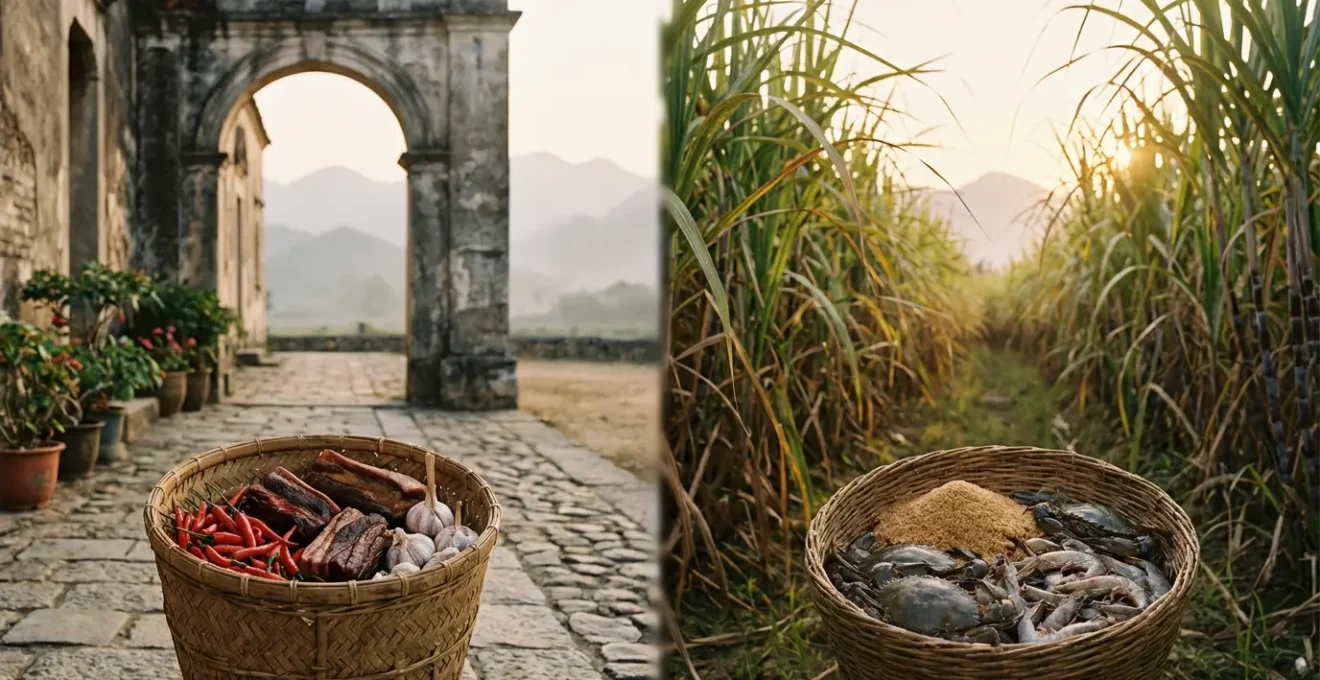
The debate over the Philippines’ culinary capital isn’t about choosing between Pampanga and Negros; it’s about realizing the true prize is mastering the unwritten ‘authenticity codes’ of each region’s iconic dishes.
- Pampanga’s claim is rooted in historical prestige and complex, fiesta-style cooking, while Negros boasts a unique hacienda-driven, farm-to-table heritage.
- True gastronomic travel requires moving beyond this rivalry to learn the specific rituals, timings, and terminologies that unlock authentic flavors nationwide.
Recommendation: Instead of picking a single ‘capital,’ plan your food trip around learning these deep culinary rules—from securing lechon rib skin in Cebu to understanding the nuances of sourness.
For any food pilgrim mapping a journey through the Philippines, the question is inevitable: Pampanga or Negros? The debate over which province rightfully holds the title of “Culinary Capital” is a passionate, long-standing rivalry. On one side stands Pampanga, the heartland of Spanish colonial kitchens, a province whose culinary prowess is so revered that a bill to make the title official was unanimously approved by the Philippine Senate. Its defenders point to a rich legacy of elaborate, labor-intensive dishes like sisig and kare-kare, born from a culture of grand fiestas.
On the other side is Negros, the sugar-bowl of the nation. Its culinary identity was forged in the kitchens of sprawling haciendas, giving rise to a distinct tradition of refined desserts like Napoleones and rustic, unforgettable flavors like the authentic Chicken Inasal of Bacolod. The conflict is so deeply felt that when the Pampanga bill was later vetoed, it was celebrated by chefs who champion a more decentralized view of the nation’s gastronomic landscape. As Chef Jam Melchor argued in a Rappler interview on the presidential veto, Pampanga’s recognition comes “not by request, but by the weight of its rich history.”
But what if this entire debate is a distraction? As a food critic who has traveled the archipelago, I’ve come to believe the true “culinary capital” isn’t a single province. It’s a mindset. It’s the gastronomic intelligence a traveler acquires by learning the unwritten rules—the deep authenticity codes—that govern each region’s most sacred dishes. The real journey isn’t about picking a winner, but about understanding why Filipino food is so much more than a collection of recipes. It’s about learning *how* to eat.
This guide moves beyond the Pampanga-Negros debate to equip you with that very intelligence. We will explore the specific, often-missed rituals and knowledge needed to experience the country’s most iconic foods as they were meant to be enjoyed. From the back alleys of Chinatown to the lechon pits of Cebu, we will uncover the secrets that separate a tourist from a true food pilgrim.
text
For those who prefer a visual format, the following video offers a complementary immersion into the vibrant culture that shapes the Philippines’ diverse culinary landscape.
In this article, we’ll dive into the specific knowledge that transforms a good meal into an unforgettable culinary experience. You’ll learn the secrets that locals know, unlocking a deeper appreciation for the rich and varied food culture of the Philippines.
Summary: A Food Critic’s Guide to Authentic Filipino Culinary Experiences
- The Mistake of skipping the “Soup #5” in Chinatown
- Iloilo Market: How to Eat Batchoy with the Authentic “Unlimited Caldo”?
- Bicol Express: Is It Really That Spicy in Its Origin Place?
- Pasalubong: What Food Items Travel Best in Your Check-in Luggage?
- When to Arrive at Cebu’s Best Lechon Spots to Get the Rib Skin?
- Tagaytay vs. Antipolo: Which Day Trip Offers the Best View and Breeze?
- Iloilo vs. Vigan: Which City Offers a More Authentic Colonial Vibe?
- Why Is Filipino Food So Sour Compared to Other Asian Cuisines?
The Mistake of skipping the “Soup #5” in Chinatown
The first lesson in gastronomic intelligence is embracing the uncomfortable. In Manila’s Binondo, the world’s oldest Chinatown, many tourists stick to familiar dumplings and noodles. The mistake is skipping one of its most legendary and misunderstood dishes: Soup No. 5. Named for its supposed aphrodisiac qualities, this rich, potent stew is made from a bull’s genitalia. While the ingredients might sound intimidating, avoiding it means missing out on a truly unique and deeply flavorful piece of local culinary heritage.
The key is to approach it not as a novelty, but as a dish with its own specific culture of consumption. True aficionados don’t just order it; they know how to find the most authentic versions in the district’s hidden *carinderias* (small eateries) and how to balance its powerful flavor. It’s a rite of passage that separates the casual visitor from the serious food explorer, a philosophy of seeking the real and unvarnished experience.
Case Study: Anthony Bourdain’s “Raw and Real” Binondo Experience
When the late, great Anthony Bourdain visited Manila, he didn’t seek out polished, tourist-friendly restaurants. Guided by local expert Ivan Man Dy, he plunged into the “raw, real, and gritty” heart of Binondo. His exploration of unnamed street food carts and humble eateries set a new standard for food tourism. It championed the idea that authenticity isn’t found on a menu, but in the experience of discovery itself. Following in his footsteps means prioritizing these un-sanitized, genuine encounters, with Soup No. 5 being a prime example.
To truly conquer Soup No. 5, you need to understand the local method. It’s a dish that demands respect and a bit of know-how to be fully appreciated. This isn’t just about being adventurous; it’s about engaging with the food on its own terms.
Action Plan: Ordering Soup No. 5 Like a Local
- Seek Authenticity: Head to Binondo’s lesser-known carinderias, avoiding the main tourist spots to find more traditional recipes.
- Know the Lingo: Ask for “Soup Number 5” or use its Hokkien name, “Lanciao,” to show you’re in the know.
- Customize Your Broth: Request extra ‘sabaw’ (broth) so you can adjust the soup’s potent strength to your liking as you eat.
- Embrace the Condiments: For the authentic preparation, always order it with calamansi and chili to cut through the richness.
- Choose the Right Pairing: Pair it with a cold San Miguel beer, the local choice for balancing the dish’s intense flavor profile.
Iloilo Market: How to Eat Batchoy with the Authentic “Unlimited Caldo”?
The journey for a perfect bowl of La Paz Batchoy, a rich noodle soup from Iloilo, is a pilgrimage into the heart of Filipino comfort food. But simply ordering a bowl isn’t enough. The true experience is governed by an unwritten rule, a secret handshake known to every local: the art of getting “unlimited caldo.” *Caldo* is the soup’s lifeblood—a deeply savory pork and beef broth, slow-simmered for hours. The most authentic Batchoy stalls, hidden within the bustling La Paz Public Market, offer free, continuous refills of this precious liquid.
Knowing to ask for it is the key that unlocks the dish’s full potential. The local term is “pang-higop,” a request for more broth. This ritual isn’t just about getting more soup; it’s a sign of respect for the tradition. It shows you understand that Batchoy is a living, evolving dish. You sip the broth, enjoy the noodles and *sahog* (toppings like crushed chicharon, liver, and pork), and then get a fresh infusion of hot caldo to restart the experience, making the last sip as flavorful as the first. This is the authenticity code of Batchoy, a simple act that transforms a meal into a cultural communion.
This steaming bowl represents more than just a meal; it’s an institution. The subtle differences between the “big three” stalls—Ted’s, Deco’s, and Netong’s—are a subject of passionate local debate, each with its own loyal following.
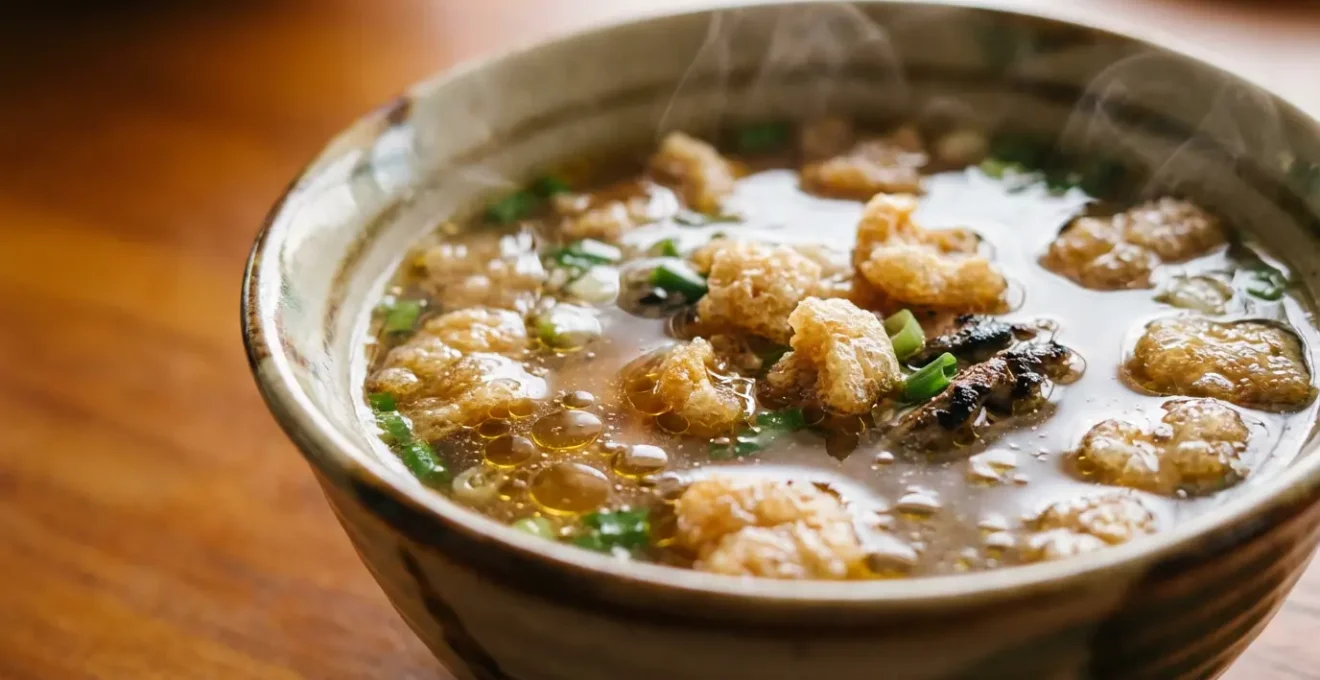
As you can see, a true bowl of Batchoy is a symphony of textures and flavors. The glossy broth, crispy pork cracklings, and fresh garnishes all play a crucial role. But it all comes back to the quality and availability of that hot, steaming *caldo*. Paired traditionally with soft *puto* (steamed rice cakes) to balance the saltiness, it’s a perfect meal that requires active participation from the diner.
Bicol Express: Is It Really That Spicy in Its Origin Place?
Bicol Express is synonymous with fiery, tear-inducing heat. This iconic pork and coconut milk stew, spiked with chili, is famous across the Philippines as the Bicol region’s explosive culinary ambassador. But a food pilgrim’s journey to its supposed origin reveals a surprising twist: the Bicol Express you know and fear was likely not invented in Bicol at all. And in its homeland, the approach to spice is one of balance, not brute force.
The “Malate Myth” suggests the dish was created in Malate, Manila, by a restaurateur who adapted a traditional Bicolano dish called ‘Ginataang Sili’ for the capital’s palate. The original Bicolano version emphasizes the harmony between the creamy sweetness of coconut milk (‘gata’), the savory depth of shrimp paste (‘bagoong’), and the heat of the chilies. It’s not about overwhelming the senses with spice but creating a complex flavor profile where heat is just one component. Locals don’t just endure the spice; they manage it with a lifetime of practice and a few key techniques.
For the Bicolanos, rice is the primary heat neutralizer, and a small side of ‘sawsawan’ (vinegar with garlic) acts as a palate cleanser. Their secret isn’t a higher tolerance for pain, but a deeper understanding of flavor dynamics. They use different chilies—the sharp, intense ‘siling labuyo’ versus the milder, more aromatic ‘siling haba’—to layer heat, not just dump it in. This nuanced approach is a critical lesson in flavor terroir, proving that authenticity often lies in balance, not extremity.
- Always have plenty of rice ready: It’s your primary defense against the heat.
- Use ‘sawsawan’: A dip in vinegar with garlic cleanses the palate between spicy bites.
- Drink warm water, not cold: Counterintuitively, cold water can intensify the burning sensation.
- Embrace the sweat: Many locals believe sweating from spicy food has health benefits.
- Start with ‘Laing’: If you’re heat-sensitive, try this milder taro leaf dish first to acclimate your palate.
Pasalubong: What Food Items Travel Best in Your Check-in Luggage?
No Filipino food journey is complete without *pasalubong*—the cherished tradition of bringing home edible souvenirs for family and friends. It’s an act of sharing the flavors of your travels. However, the success of this mission depends entirely on choosing items that can withstand the rigors of travel. A crushed pastry or a spoiled delicacy is a tragic end to a beautiful tradition. The savvy food traveler knows that each region’s specialty has its own rules for packing and transport.
The goal is to choose items with a good shelf life that are structurally sound. Dried goods, vacuum-sealed meats, and sturdy pastries are your best friends. Delicate items might seem tempting, but they often lead to disappointment upon arrival. This is practical gastronomic intelligence: thinking not only about the taste but also about the logistics of preservation and transport. It’s about ensuring the joy of discovery can be successfully shared with others back home.
A well-packed suitcase is a beautiful mosaic of your culinary adventures, a story of the places you’ve been and the flavors you’ve collected. Choosing the right items is an art form in itself.
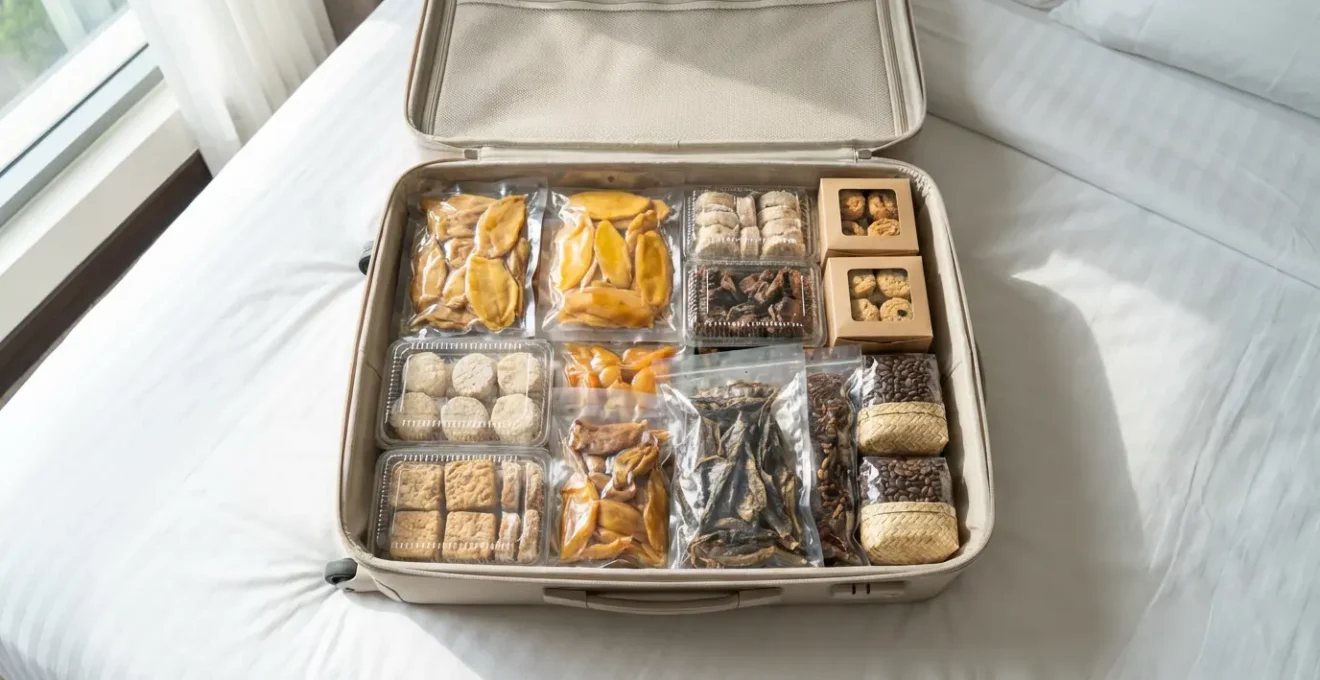
To help you become a master of the pasalubong, the following table breaks down some regional favorites and how to pack them for maximum freshness and durability. This data, based on a comparative analysis of regional specialties, is your blueprint for a successful food souvenir haul.
| Region | Best Travel Item | Packing Method | Shelf Life |
|---|---|---|---|
| Luzon/Pampanga | Vigan Longganisa (vacuum-sealed) | Freeze before travel, hard-sided cooler | 7-10 days refrigerated |
| Visayas/Bacolod | Napoleones pastry | Freeze overnight, thaws during travel | 3-5 days |
| Mindanao | Malong-gays (palapa peanuts) | Airtight container | 30+ days |
| Negros | Piaya flatbread | Hard-sided container to prevent crushing | 14-21 days sealed |
When to Arrive at Cebu’s Best Lechon Spots to Get the Rib Skin?
Cebu’s lechon, or roasted suckling pig, is legendary. Anthony Bourdain himself famously declared it the “best pig ever.” But not all lechon experiences are created equal. While tourists line up at famous city chains, a core piece of local knowledge can elevate your tasting from merely good to transcendent: timing is everything. The most coveted part of the lechon is the rib skin. It’s thinner, more brittle, and absorbs more flavor from the herbs stuffed inside the pig, creating a piece of skin that is explosively crispy and aromatic.
This prized cut is extremely limited. To get it, you must understand the rhythm of the lechonero’s day. According to experienced lechon hunters, timing is crucial. Most spots cook their pigs in two batches: one for lunch and one for dinner. The golden hours are typically between 10:00-11:00 AM for the first batch and 4:00-5:00 PM for the second. Arriving about 30 minutes before these times, as the freshly-cooked pigs are brought out, puts you at the front of the line for the best cuts. Wait too long, and the rib skin will be long gone, sold to those in the know.
Furthermore, true lechon connoisseurs often bypass the city altogether. They know the most authentic experience is a 40km drive south to the town of Carcar. Here, lechoneros use traditional wood-fired pits and a distinct blend of local herbs, creating a more aromatic style compared to the saltier city versions. The ultimate pro move is arriving in Carcar at 6 AM, when they open for wholesale buyers, guaranteeing access to the absolute best of the morning’s roast. To order like a pro, remember these tips:
- Order by the kilo, not by serving.
- Specifically request ‘panit’ for the crispy skin.
- Ask for the fatty belly section by saying ‘liempo’.
- Always get ‘puso’ (hanging rice wrapped in palm leaves).
- Pair with both liver sauce and native vinegar for the full experience.
Tagaytay vs. Antipolo: Which Day Trip Offers the Best View and Breeze?
A food trip isn’t just about what’s on the plate; it’s about the entire sensory experience. For residents of Manila looking for a quick escape, the choice often comes down to two destinations: Tagaytay and Antipolo. Both offer a welcome respite from the city’s heat and hustle, but they provide fundamentally different kinds of refreshment. The discerning traveler must choose based on the specific ambiance they seek.
Tagaytay’s allure is its singular, breathtaking natural vista: the iconic Taal Volcano sitting serenely in a vast lake. Its higher elevation (600-700m) guarantees a consistently cooler, gentler breeze, making it ideal for romantic, nature-focused relaxation. The vibe is slow, centered on enjoying a hot bowl of *bulalo* (beef marrow stew) while gazing at the view. However, this popularity comes at the cost of severe weekend traffic, making a spontaneous trip difficult.
Antipolo, on the other hand, offers a sprawling, glittering cityscape view of Metro Manila. At a lower elevation (200-300m), its breeze is more of a pleasant relief than a distinct climate change. Antipolo’s strength lies in its accessibility and its blend of food with culture, being home to the renowned Pinto Art Museum. It’s better suited for active, last-minute trips. The choice is not about which is “better,” but which experience—tranquil nature or vibrant cityscape—will best complement your meal.
To make the best decision for your day trip from Manila, this comparative table, based on an analysis of local travel factors, breaks down the key differences.
| Factor | Tagaytay | Antipolo |
|---|---|---|
| View Type | Singular natural vista (Taal Volcano) | Sprawling Metro Manila cityscape |
| Elevation | 600-700m, consistently cooler | 200-300m, respite from lowland heat |
| Best For | Romantic, nature-focused relaxation | Active cultural trips (Pinto Art Museum) |
| Weekend Traffic | 3-4 hours from Manila | 1.5-2.5 hours from Manila |
| Spontaneous Trip Feasibility | Difficult on weekends | More feasible for last-minute plans |
Iloilo vs. Vigan: Which City Offers a More Authentic Colonial Vibe?
For the traveler whose palate is stirred by history, the Philippines offers two prime destinations for a colonial-era immersion: Vigan in the north and Iloilo in the south. Both cities are famed for their heritage architecture, but they offer vastly different flavors of authenticity. The choice between them depends on whether you prefer to visit a museum or live inside one. The ‘flavor terroir’ of each city’s cuisine is inextricably linked to this distinction.
Vigan, a UNESCO World Heritage site, presents a preserved, “museum-like” snapshot of Spanish colonial life. Its heart is Calle Crisologo, a cobblestone street where horse-drawn *calesas* trot past ancestral *bahay na bato* houses. The authenticity here is in preservation and performance: you can stay in a heritage hotel, watch artisans at work, and taste the Ilocano-Spanish fusion in its famous empanada and longganisa. It’s a beautiful, immersive step back in time, but one that feels curated for visitors.
Iloilo offers a more “lived-in” colonial ambiance. Its heritage is dominated by the grand American-era mansions along “Millionaire’s Row,” testaments to the city’s past as a wealthy sugar port. Here, history is not cordoned off; it’s integrated into a bustling modern city. The most authentic experience is found in ancestral homes that have been converted into restaurants, like the magnificent Camiña Balay nga Bato. Here, you don’t just admire the architecture; you dine on colonial-era recipes in the family’s original dining room. Iloilo’s authenticity lies in this living, breathing connection to its past.
- In Vigan: Immerse yourself by staying in a heritage hotel directly on Calle Crisologo and try the local Ilocano-Spanish fusion food.
- In Iloilo: Seek out a dinner reservation at a heritage house restaurant like Camiña Balay nga Bato to taste history.
- In Both: Hire a local guide who can share the family histories of the buildings, adding a personal layer to the architectural grandeur.
Key Takeaways
- The true mark of a food expert is not picking a ‘culinary capital,’ but understanding the unique rituals and timings for each region’s iconic dishes.
- Authenticity is often found off the beaten path, in local markets and humble eateries, by learning local terms and customs like asking for “unli-caldo.”
- The flavor of a dish is shaped by its history and environment, from the myth of Bicol Express’s origin to the fundamental role of sourness in preservation.
Why Is Filipino Food So Sour Compared to Other Asian Cuisines?
The final, and perhaps most important, piece of gastronomic intelligence is understanding the soul of Filipino flavor: *asim*, or sourness. Compared to the sweet, spicy, and salty profiles that often dominate other Southeast Asian cuisines, Filipino food stands apart with its bold and unapologetic embrace of the sour. Dishes like Sinigang (sour tamarind soup) and Adobo (vinegar-braised meat) are not just subtly tart; they are built entirely around this foundational flavor. To understand why is to understand the history, climate, and ingenuity of the Filipino people.
The primary reason is practical: preservation. In a tropical climate without refrigeration, souring agents like vinegar and citrus were essential for extending the life of food. Vinegar’s acidity creates an inhospitable environment for bacteria, making it a natural preservative. This ancient technique became so ingrained that the flavor profile went from a necessity to a preference. The sour taste became associated with freshness, safety, and ultimately, deliciousness. It became a flavor that stimulates the appetite, cutting through the richness of fatty meats and cleansing the palate in a hot, humid climate.
While Thai and Vietnamese cuisines use sourness as a balancing accent, in the Philippines, it is often the star of the show. The sheer diversity of souring agents is staggering; research into traditional Filipino preservation methods reveals that there are over 40 distinct souring agents used across the archipelago. This includes not just vinegar (*suka*) and tamarind (*sampalok*), but also calamansi, batuan fruit, green mangoes, and kamias. Each one imparts a unique character and complexity, demonstrating that Filipino sourness is not a monolithic flavor but a rich and varied culinary language. Understanding this “philosophy of sour” is the key to appreciating the entire cuisine on a deeper level.
So, we return to our original question: Pampanga or Negros? The answer, you now see, is neither. Or rather, it is both, and so much more. The true culinary capital of the Philippines is not a location on a map. It is the journey itself—a nationwide pilgrimage of learning, tasting, and understanding. It’s found in the wisdom to arrive at the right time for lechon skin, the courage to try Soup No. 5, and the knowledge to ask for “pang-higop” in an Iloilo market. Your next step is not to book a ticket to a single province, but to begin planning your own immersive journey into the heart of Filipino flavor.
Frequently Asked Questions on a Filipino Food Trip
What does ‘Pang-higop’ mean when ordering Batchoy?
It’s the local term for requesting unlimited caldo (broth) refills, a mark of authenticity in traditional Batchoy shops.
Which of the ‘big three’ La Paz stalls is best?
Ted’s is saltier and favored by tourists, Deco’s has more ‘sahog’ (toppings), while Netong’s is the locals’ choice for balanced flavor.
What’s the traditional pairing with Batchoy?
Always paired with ‘puto’ (steamed rice cakes) to balance the saltiness, plus a cold soft drink.