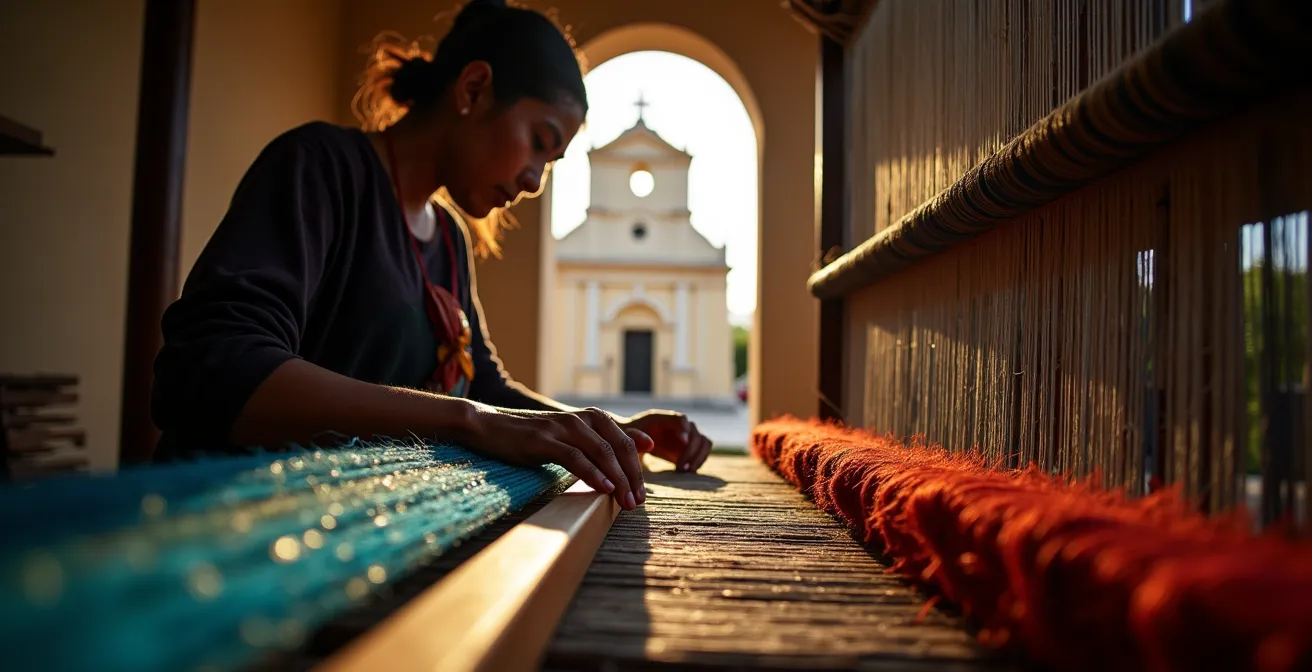
The greatest mistake a traveler can make in Ilocos is choosing between its tangible buildings and its intangible traditions; the true prize is experiencing how they sustain each other.
- Tangible heritage (ancestral houses, churches) finds its meaning through the intangible culture (rituals, crafts, family stories) practiced within it.
- Intangible heritage (weaving, respect gestures) gains its value and context from the tangible spaces and communities it belongs to.
Recommendation: Prioritize experiences that exist at the intersection of both—like staying in a restored heritage home to learn family recipes or buying certified crafts directly from the weavers who keep the tradition alive.
The Ilocos region presents a beautiful dilemma for the thoughtful traveler. Standing on the cobblestones of Calle Crisologo in Vigan, you are surrounded by tangible history: centuries-old ancestral houses, silent and stoic under the sun. An hour away, in a quiet workshop, you might watch a master weaver’s hands fly across a loom, her movements a fluid, living tradition—an intangible heritage passed down through generations. The common travel advice is to simply see one, then the other, ticking items off a checklist. But this approach misses the soul of the region entirely.
This guide argues against that false choice. The question is not *which* to prioritize, but *how* to see the profound, symbiotic relationship between the two. The stone walls of a church are not just architecture; they are the stage for the living theater of faith. A handwoven blanket is not just a souvenir; it is a tangible story of an intangible skill. This perspective transforms a trip from a passive sightseeing tour into an active, meaningful engagement with a culture that is vibrantly alive, not just preserved under glass.
We will explore how to ethically engage with this cultural symbiosis, moving beyond the surface to find authentic experiences. From identifying genuine handwoven fabric and understanding the risks of the antique trade to choosing accommodation that supports conservation and performing gestures of respect, you will learn to see Ilocos not as a collection of sites, but as a holistic, living cultural landscape.
Summary: A Guide to Experiencing Ilocos’s Living Heritage
- How to Buy Authentic Inabel Fabric Without Supporting Factory Knockoffs?
- Why Is the Baybayin Script Making a Comeback Among Young Filipinos?
- The Risk of Buying “Antique” Santos Statues Without Certification
- When to Visit Panagbenga to See the Flower Floats in Full Bloom?
- Homestay vs. Hotel: Which Offers Better Insight into Heritage Towns?
- How to Donate to Heritage Conservation Funds Instead of Buying Cheap Souvenirs?
- Pasalubong: What Food Items Travel Best in Your Check-in Luggage?
- How to Perform “Mano Po” to Show Respect to Filipino Elders?
How to Buy Authentic Inabel Fabric Without Supporting Factory Knockoffs?
The Inabel fabric of Ilocos is more than just a textile; it is a tangible narrative of a community. Each thread tells a story of an intangible skill passed down through generations. However, the market is flooded with machine-made knockoffs that exploit the name without honoring the craft. Supporting authentic Inabel means you are not just buying a product, but investing in the preservation of a living tradition. True authenticity is a chain of knowledge, and your purchase is the final, crucial link.
Authentic handwoven Inabel possesses a quality that artisans call “perfect imperfection.” Unlike the flawless uniformity of a machine, the human hand leaves subtle, unique variations in the weave. This is not a defect; it is the signature of its creator. You are looking for a textile with a soul. A powerful example of ensuring this continuity is the work of National Living Treasure Magdalena Gamayo, whose weaving school in Pinili, Ilocos Norte, creates a direct, traceable lineage from master to student. By teaching traditional patterns like binakul (whirlwinds) and sinan-sabong (flowers), she ensures that every piece produced by her community has a verifiable, authentic story. When you buy from such a source, you are participating in this story.
Your Checklist for Verifying Authentic Handwoven Inabel:
- Check for ‘perfect imperfection’: Look for slight irregularities in the weave pattern that indicate human hands rather than machine precision. An authentic piece will feel more organic.
- Examine the selvage edge: A true handwoven piece has a distinctive, tightly-woven edge created on the loom, unlike the sharp, clean cut of mass-produced fabric.
- Feel the thread density and texture: Hand-spun cotton often has varying thickness, creating a unique, rich texture that factory-made textiles, which use uniform threads, lack.
- Ask about the weaving process: True artisans are proud of their craft. Ask to see the traditional wooden loom (pagablan) or photos of their setup. Their story is part of the fabric’s value.
- Verify the weaver’s cooperative or master status: Check if the seller is part of a registered group with local OTOP (One Town, One Product) programs or cultural initiatives. As one study on the Inabel notes, these community-based structures are key to the preservation of everyday weaving.
Why Is the Baybayin Script Making a Comeback Among Young Filipinos?
Intangible heritage, like a language or a writing system, is often harder to preserve than a physical building. Yet, the pre-colonial Baybayin script is experiencing a powerful revival, especially among young Filipinos. This is not about nostalgia; it is a profound act of cultural pushback against centuries of colonial influence. By embracing Baybayin, a new generation is transforming an ancient script from a museum artifact into a vibrant, contemporary marker of Filipino identity. They are making the intangible tangible again, writing it onto their skin, their businesses, and their art.

This resurgence is visible throughout Ilocos, where Baybayin characters now adorn cafe signage, artisan crafts, and, most personally, tattoo designs. This act of reclaiming the script is a statement of identity and decolonization. It asserts that Filipino culture has deep, pre-colonial roots that are still relevant today. The script becomes a bridge, connecting the modern Filipino to their ancestors in a very direct and personal way. It’s a declaration that heritage is not just something to be observed, but something to be lived and embodied.
Case Study: Baybayin in Contemporary Ilocos
Cultural observers in the Ilocos region have noted the rise of Baybayin’s use as a decolonizing symbol. Unlike the static preservation of an object in a museum, this revival is dynamic. A local cafe in Vigan using Baybayin on its menu is not just being stylish; it is participating in a larger conversation about cultural identity. Each instance, from a small piece of jewelry to a large mural, reinforces the script’s place in the modern world, ensuring its survival by giving it new purpose and new life.
The Risk of Buying “Antique” Santos Statues Without Certification
The desire to own a piece of history is powerful, but when it comes to religious artifacts like antique Santos (statues of saints), this desire can fuel a destructive trade. These carved wooden figures are not just decorative objects; they are tangible pillars of a community’s faith and history. Buying an uncertified “antique” risks participating in the looting of churches and ancestral homes, effectively tearing a piece of living heritage from its context. A real antique belongs to a community’s story, and removing it erases a part of that story forever.
The Philippine government, through the National Museum and the National Commission for Culture and the Arts (NCCA), has strict regulations. Any legitimate antique must be registered and documented. An item sold without this paperwork is likely either a fake or, worse, stolen. The problem is so significant that, according to a 2021 cultural heritage study, 66 Higher Education Institutions in the Ilocos Region alone are now actively teaching heritage preservation, signaling a regional effort to combat this loss. These programs aim to create a generation of caretakers who understand that the value of a Santos is in its story and its place within the community, not in its price tag on the black market.
Expert Checklist for Identifying Legitimate Religious Icons:
- Verify provenance documentation: A legitimate antique will have official paperwork from the National Museum of the Philippines or the NCCA. No papers means no purchase.
- Check wood type and patina: Authentic historical pieces are typically carved from native hardwoods like molave or narra and show a deep, natural aging (patina) that cannot be replicated by artificial distressing.
- Look for tool marks: Hand-carved Santos will exhibit the subtle, inconsistent marks of chisels and knives, unlike the uniform patterns left by modern power tools.
- Examine paint layers: Genuine antiques often have multiple, distinct layers of paint from being repainted over centuries for various fiestas, a sign of their continuous use in community life.
- Request certification: All legal antiques must be registered under the Cultural Properties Registration Program. Ask for the registration number as final proof of legitimacy.
When to Visit Panagbenga to See the Flower Floats in Full Bloom?
Many travelers chase the grand spectacle of mass-market festivals like Baguio’s Panagbenga, famous for its enormous flower floats. However, for a more profound experience of Ilocos heritage, the key is not to seek the biggest crowd, but the deepest meaning. The region’s most powerful cultural expressions are often more intimate, rooted in centuries of faith and community tradition. A prime example is the solemnity of Holy Week (Semana Santa) in the UNESCO World Heritage City of Vigan, where the entire town becomes a stage for living theater.
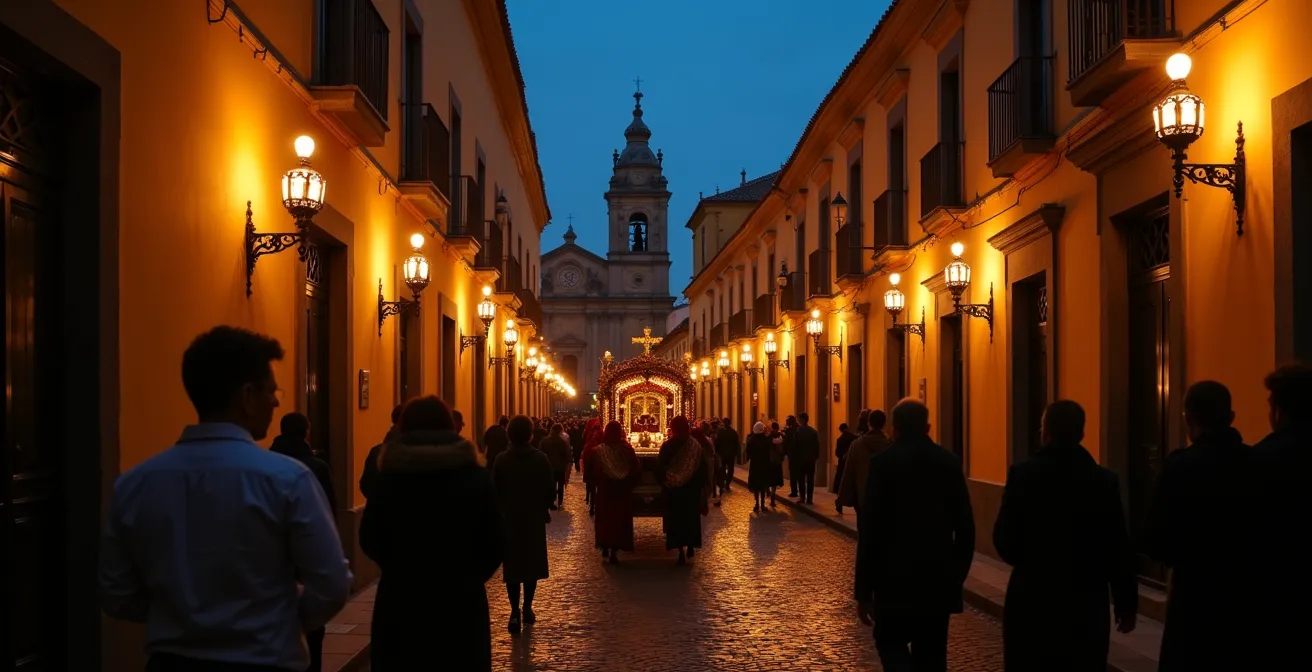
During this week, the tangible heritage of Vigan’s baroque churches and ancestral houses converges with the intangible heritage of faith. The grand Good Friday ‘Santo Entierro’ (Holy Burial) procession is the week’s emotional and spiritual climax. Ornate, centuries-old carriages bearing religious icons are wheeled out from the churches and private homes where they are cared for all year. These are the same Santos statues that are so vulnerable to theft, but here, they are fulfilling their true purpose as objects of devotion, not commerce. The procession winds through the historic streets, lit by candles and followed by generations of local families in a silent, reverent display of communal faith.
For a visitor, witnessing this is a privilege. It requires a different mindset than that of a typical festival-goer. The protocol is one of respect: dressing conservatively, refraining from flash photography during prayers, and staying to the sides of Calle Crisologo to give the procession space. In doing so, you are not just a spectator; you become a respectful witness to the powerful symbiosis of place, object, and belief. This is where the stones of Vigan truly come alive.
Homestay vs. Hotel: Which Offers Better Insight into Heritage Towns?
Your choice of accommodation in a heritage town like Vigan is not just a logistical decision; it’s an ethical and cultural one. It directly impacts the local economy and defines the depth of your cultural immersion. The debate often centers on a local family homestay versus a hotel, but in Ilocos, there is a crucial third option: the restored ancestral house hotel. Each offers a different way to engage with the region’s tangible and intangible heritage.
A homestay offers unparalleled access to the intangible: shared meals, learning a few words of Ilocano, hearing family stories, and perhaps even learning the basics of a local recipe. Your payment goes directly to a local family, supporting them in maintaining their lived-in heritage. On the other hand, a large chain hotel often exists outside the local cultural fabric, with profits leaving the community and a high risk of gentrifying the area. The restored heritage hotel presents a compelling middle ground. It professionalizes the hospitality experience while making the preservation of a tangible, large-scale ancestral house economically viable.
As a Heritage Conservation Specialist notes in the Ilocos Heritage Preservation Report:
Staying in a meticulously restored ancestral house-turned-hotel can be a powerful act of conservation, as your payment directly funds the high cost of maintaining these large, fragile structures.
– Heritage Conservation Specialist, Ilocos Heritage Preservation Report
This table breaks down the trade-offs, helping you make a choice that aligns with your travel goals. There is no single “best” option; the right choice depends on whether you seek direct family interaction or wish to support the costly, professional conservation of a grand architectural landmark. A recent comparative analysis of Ilocos itineraries confirms that accommodation is a primary driver of the travel experience’s cultural depth.
| Criteria | Local Family Homestay | Heritage Hotel (Restored Ancestral House) | Chain Hotel |
|---|---|---|---|
| Cultural Exchange Opportunities | Daily shared meals, family stories | Guided heritage tours, cultural programs | Limited to concierge recommendations |
| Economic Impact on Locals | Direct support to one family | Employment for multiple locals, preservation funding | Corporate profits, minimal local retention |
| Access to Intangible Heritage | Learn recipes, local customs firsthand | Curated cultural experiences, museum-quality displays | Generic tourist information |
| Building Conservation Support | Maintains lived-in heritage | Professional restoration and maintenance | No heritage preservation aspect |
| Gentrification Risk | Low if family-owned | Medium – may increase property values | High – often displaces local businesses |
How to Donate to Heritage Conservation Funds Instead of Buying Cheap Souvenirs?
The instinct to bring a piece of a place home with us is natural, but often, the most impactful way to show your appreciation for Ilocos is to leave something behind—a contribution to the people and institutions working to protect its fragile heritage. Instead of buying a mass-produced, low-quality souvenir that may not even benefit the local community, consider redirecting that money towards the direct preservation of the tangible and intangible culture you came to admire. This act of ethical engagement is the most sustainable souvenir of all.
Your contribution can be more than just money. As demonstrated by the “Skills-for-Heritage” volunteer program, professionals have made invaluable contributions. Photographers have created archival documentation of Vigan’s architecture, web developers have built virtual tours for at-risk churches, and architects have provided pro-bono structural assessments. Your unique skills might be the most valuable donation you can offer. This approach shifts the tourist mindset from one of passive consumption to active, meaningful participation in conservation.
If a financial donation is more practical, it’s crucial to give it to a reputable organization where the funds will be used effectively for research, restoration, and education. Bypassing the souvenir shop in favor of a direct donation ensures 100% of your support goes toward protecting the very heritage that made your trip memorable.
Direct Donation Channels for Ilocos Heritage Preservation:
- National Museum Ilocos Regional Complex: Located in Vigan, it accepts donations that directly fund artifact preservation, archaeological research, and educational programs in the region.
- Vigan Heritage Village Restoration Funds: Contact the Vigan City Tourism Office for information on specific, ongoing restoration projects for churches or ancestral houses that need public support.
- University of Northern Philippines Cultural Studies Department: Support the documentation of intangible heritage, such as oral histories, traditional music, and epic chants, by funding academic research.
- Local Parish Preservation Committees: Each historic church (like those in Paoay or Bantay) has its own restoration needs. Inquiring at the local parish office can reveal specific projects you can support.
- Heritage Skills Training Programs: Fund the future of heritage by supporting apprenticeships in traditional crafts like weaving, pottery, and blacksmithing through TESDA (Technical Education and Skills Development Authority) Ilocos offices.
Pasalubong: What Food Items Travel Best in Your Check-in Luggage?
Pasalubong—the tradition of bringing gifts home from a journey—is a cornerstone of Filipino culture. In Ilocos, this often means food. Choosing the right edible pasalubong is an act of sharing the tangible taste of the region’s intangible culinary heritage. However, the practicalities of modern travel require careful selection and packing to ensure your gifts arrive intact and as delicious as when you bought them. Items like the famous Ilocos empanada are best enjoyed on the spot, but many other delicacies are perfectly suited for travel.
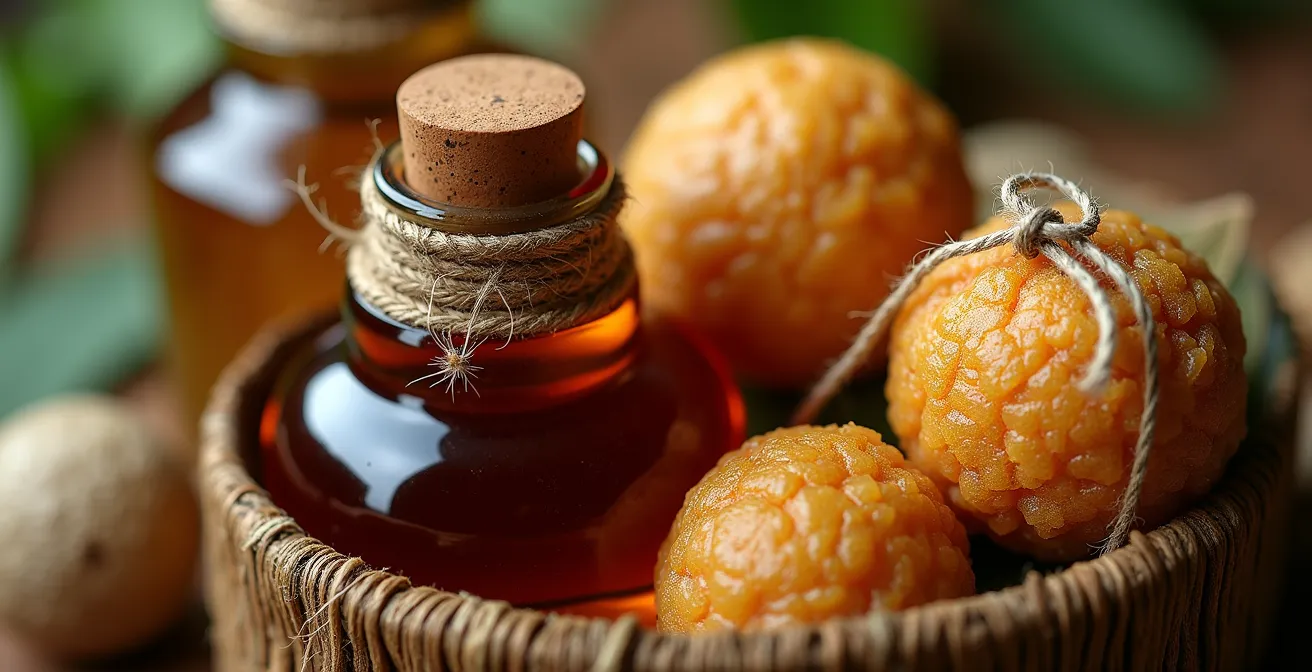
Focus on items that are either dry, well-preserved, or hardy. The crispy pork belly known as Bagnet is a top choice, as is the local longganisa (garlic sausage). Vinegars like the iconic sukang Iloko are excellent, provided they are securely packed. Sweets like royal bibingka (a sticky rice cake) or muscovado sugar cakes also travel well. The key is to think about texture, potential for leakage, and crushability. When you pack these items, you are not just transporting food; you are carrying stories of local markets, family recipes, and regional flavors.
Your TSA-Compliant Packing Guide for Ilocos Delicacies:
- Wrap solid items: For oily items like Bagnet or longganisa, wrap them in multiple layers of paper towels, then place them in a vacuum-sealed bag to contain grease and preserve freshness.
- Secure liquids: Package vinegars and other liquid condiments in bottles under 100ml for your carry-on. For larger bottles in checked luggage, secure the caps with tape and place them in sealed plastic bags, ideally buffered by bubble wrap or clothing.
- Protect fragile sweets: Place delicate rice cakes like dudol or tinubong in hard-sided containers to prevent them from being crushed in your luggage during transit.
- Manage moisture: For dried goods or baked items, consider including food-safe silica gel packets in the container to absorb moisture, especially during long flights or travel to humid climates.
- Share the story: Create small cards with QR codes that link to photos of the makers or information about the food’s history. This turns a simple gift into a rich cultural experience for the recipient.
Key Takeaways
- View Ilocos heritage as a form of “living theater,” where tangible places (churches, houses) are the stages for intangible actions (rituals, crafts, family life).
- Prioritize active interaction over passive consumption. Choosing a homestay, learning a gesture of respect, or asking an artisan about their process provides deeper insight than simply taking a photo.
- Recognize that your money is a vote. Spending it on certified crafts, restored heritage hotels, or direct donations actively supports the cultural symbiosis that makes Ilocos unique.
How to Perform “Mano Po” to Show Respect to Filipino Elders?
Of all the ways to engage with Ilocano culture, perhaps none is more profound or personal than performing the “Mano Po.” This simple, beautiful gesture is the epitome of intangible heritage. It costs nothing, requires no special equipment, and yet it is one of the most valuable acts a visitor can perform. It is a non-verbal acknowledgment of a core Filipino value: deep, abiding respect for elders. Understanding and performing this gesture correctly moves you from the category of tourist to that of a welcomed guest.
The act is simple. You gently take the right hand of an elder, bow your head slightly, and bring the back of their hand to your forehead. As you do, you say “Mano po,” which literally means “Your hand, please.” The elder will typically respond with a blessing, such as “God bless you,” or a simple nod of acceptance. It is a gesture of receiving a blessing and acknowledging the wisdom and experience of the person before you. As Dr. Felipe de Leon Jr. of the NCCA states, it is a gesture that transcends simple etiquette. In a comment published by the Philippine Daily Inquirer, he highlights its deeper meaning.
The mano po is not about subservience, but about receiving a blessing and acknowledging wisdom – it connects generations through a simple yet profound gesture of respect.
– Dr. Felipe de Leon Jr., National Commission for Culture and the Arts
Knowing when to perform it is key. It is appropriate for the elderly parents of your homestay host, for a respected community figure you are formally introduced to, or for grandparents at a local celebration. It is not used with younger adults or in casual business settings, where a handshake is more common. By performing “Mano Po,” you are participating in the living, breathing culture of respect that holds Filipino families and communities together. It is the ultimate expression of the symbiotic relationship this guide has explored: a small, intangible act that fills a tangible space—a home, a town, a region—with profound human meaning.
Now, apply this mindset of seeking the connection between the tangible and the intangible to your entire journey. Let it guide your choices, from where you eat to what you buy, and transform your visit to Ilocos into a truly enriching cultural dialogue.