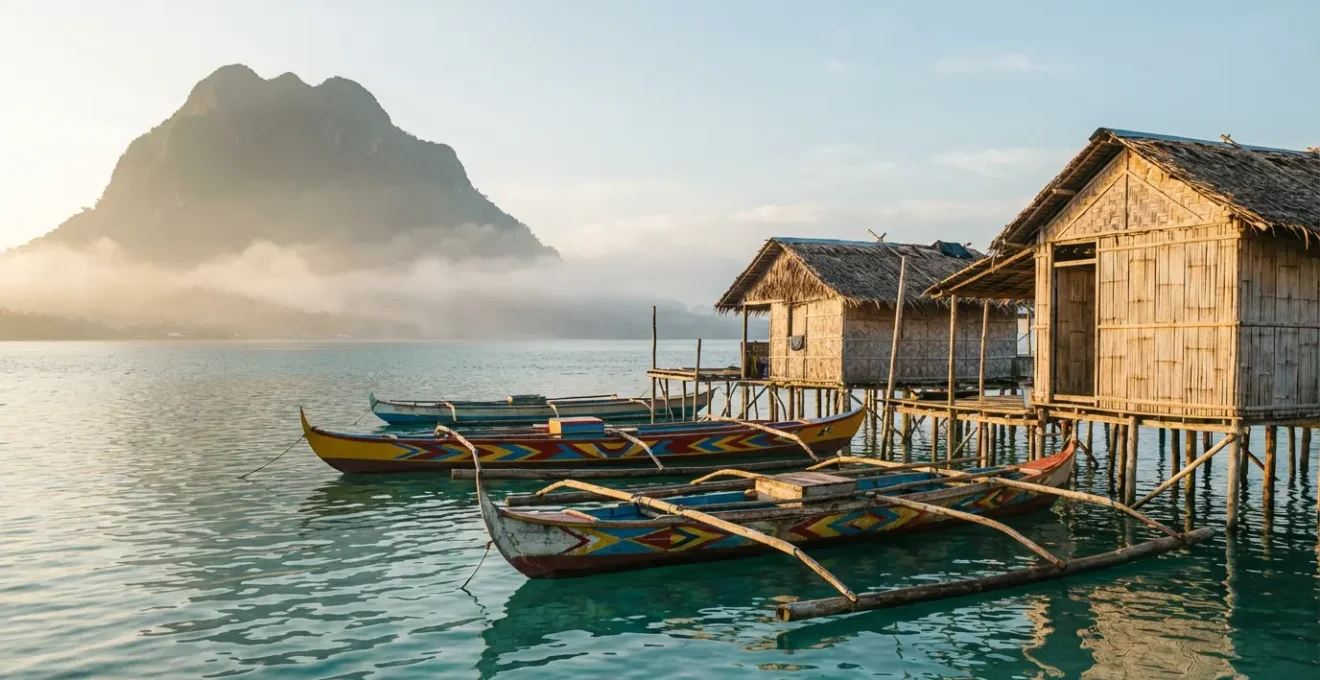
For adventurers drawn to Tawi-Tawi’s pristine islands but deterred by fears of piracy and instability, this guide reframes the concept of safety. It is not a matter of chance, but the result of a deliberate and methodical process. By treating the journey as an operation with specific protocols for security, logistics, and cultural engagement, a visit to this final frontier becomes a manageable and calculated undertaking.
The name Tawi-Tawi conjures a duality for the intrepid traveler. On one hand, it represents the Philippines’ final frontier—a remote archipelago of rumored immaculate beaches, vibrant coral reefs, and the unique culture of the Sama-Bajau people. On the other, it is intrinsically linked with the broader security concerns of the Sulu Sea, with headlines of piracy and extremist activity casting a long shadow. Most travel advice oscillates between stark government warnings and vague reassurances to “be careful,” leaving the serious adventurer without a functional framework for risk assessment.
The conventional wisdom to simply hire a guide or stick to populated areas is insufficient for a region with this level of complexity. It overlooks the nuanced interplay between military presence, local community dynamics, and the logistical friction that defines travel here. But what if the key to a safe visit wasn’t about avoiding risk, but about actively managing it through a series of defined protocols? This guide moves beyond the platitudes to offer a consultant-level perspective. It treats your visit not as a simple vacation, but as a planned expedition.
We will deconstruct the operational aspects of a Tawi-Tawi trip, from coordinating with official security elements to navigating the ethical complexities of local encounters and mastering the logistical challenges. This is not a guide on whether to go, but a procedural manual on how to go intelligently.
To navigate this complex environment effectively, it’s essential to understand each component of the journey. The following sections break down the critical protocols and considerations, from official security coordination to cultural and logistical planning, providing a clear roadmap for your expedition.
Summary: A Procedural Guide to Navigating Tawi-Tawi
- How to Coordinate with Local Tourism Offices for Military Escorts?
- The Mistake of Giving Money to Sea Gypsies Begging at Ports
- Why Is the Longest Sandbar in the Philippines So Hard to Reach?
- What to Wear in Tawi-Tawi to Respect Islamic Customs?
- When to Book Flights to Bongao to Avoid Cancellation Risks?
- Why Transferring to Caramoan Takes Half a Day From the Airport?
- How to Visit the Dimaukom Mosque in Maguindanao Safely?
- Why Is Halal Food Harder to Find in Manila Than in Mindanao?
How to Coordinate with Local Tourism Offices for Military Escorts?
In high-risk zones, relying on informal arrangements for security is a critical error. The cornerstone of a safe Tawi-Tawi expedition is establishing an official line of communication with local authorities. This is not a mere formality; it is an active registration that integrates your travel plan into the local security apparatus. The primary interface for this is the Provincial Tourism Office, which acts as a liaison with the military and police.
The process begins before you even arrive. You must contact the tourism office, typically via their official Facebook page, at least 48 to 72 hours prior to your landing in Bongao. This initial contact signals your intent and allows them to prepare. Upon arrival, security personnel are tasked with verifying your purpose of visit and providing crucial information, including emergency contacts. A key part of their function is to arrange police or military escorts for travel to designated areas.
It is essential to understand that this service is part of a broader regional security strategy. A recent security assessment shows that police and army units often provide free transportation and armed protection in areas where there are no active major alerts. If for any reason you are not met by security personnel at the airport, it is your responsibility to proactively seek them out for a safety briefing. This is a non-negotiable step in your risk mitigation protocol.
The Mistake of Giving Money to Sea Gypsies Begging at Ports
At ports like Bongao, you will inevitably encounter members of the Sama-Bajau community, often referred to as “Sea Gypsies,” who may approach you for money. While the compassionate impulse is to give, from a risk and ethical standpoint, this is a counterproductive practice. It fuels a cycle of dependency and does not address the systemic issues facing this indigenous group. A more informed approach requires understanding their complex socio-economic situation.
The Sama-Bajau are a traditionally nomadic people whose way of life has been severely disrupted. As one analysis points out, their situation is a direct consequence of external pressures. In a detailed entry, Wikipedia contributors note that the Sama-Bajau fishermen resort to destructive practices mainly due to sedentarisation forced upon them by the creation of modern nation-states. With their territories restricted, they struggle to compete with commercial fishing fleets, leading to marginalization and poverty.
Sama-Bajau fishermen resort to destructive practices mainly due to sedentarisation brought about by restrictions on their nomadic culture by modern nation-states. With limited territories, they have little alternative means of competing with better-equipped commercial fishermen.
– Wikipedia contributors, Sama-Bajau Wikipedia Entry
Instead of direct handouts, a more responsible strategy is to support sustainable, community-based initiatives. Numerous NGOs and government bodies are working to provide alternative livelihoods. For example, a recent UN-funded initiative provides three-year sustainable seaweed farming training, with the Tawi-Tawi provincial government managing logistics to empower local farmers directly. Supporting local businesses, cooperatives, or certified tourism operators who employ community members is a far more impactful way to contribute.
Why Is the Longest Sandbar in the Philippines So Hard to Reach?
Panampangan Island, home to the longest sandbar in the Philippines, is one of Tawi-Tawi’s crown jewels. However, its stunning isolation is directly proportional to its inaccessibility. The difficulty in reaching it is not a flaw in the tourism infrastructure but a feature of its “final frontier” status. This logistical friction acts as a natural barrier to mass tourism, preserving its pristine condition. Reaching it requires significant planning, resources, and coordination.
The primary challenge is transport. There are no regular public ferry routes catering to tourists. Access is almost exclusively via private boat charter, which involves navigating variables of cost, weather, and tides. The sandbar itself is only fully exposed during low tide, making timing a critical factor in any travel plan. A failed attempt can mean a wasted day and significant expense. Furthermore, the journey crosses open water in a region where security is a paramount concern, meaning that travel must be coordinated with your pre-arranged security escort.
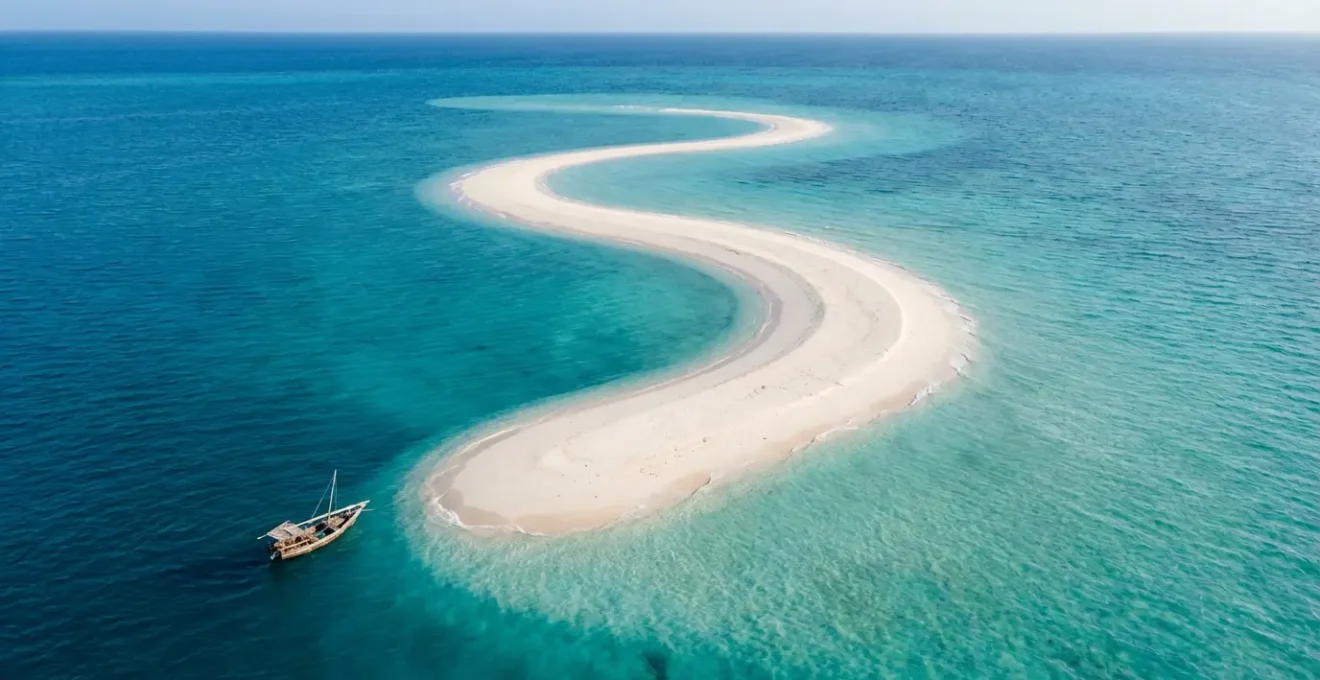
As the following breakdown illustrates, the options for access vary significantly in cost and efficiency. This is not a casual day trip but a minor expedition that must be planned as such.
| Transport Option | Cost (PHP) | Duration | Group Size | Key Considerations |
|---|---|---|---|---|
| Private Speedboat | 9,000-12,000/day | Less than 1 hour | Up to 10 people | Fastest option, tide-dependent |
| Public Boat | Variable | 2+ hours | Individual | Limited schedules, weather-dependent |
| Charter with Guide | 15,000+ | 1.5 hours | Custom | Includes permits and security coordination |
What to Wear in Tawi-Tawi to Respect Islamic Customs?
In a conservative, predominantly Muslim region like Tawi-Tawi, your attire is more than a matter of comfort; it is a critical component of your security and a non-verbal signal of respect. Blending in is a primary risk mitigation strategy. The key is not to adopt a single “uniform” but to adapt your dress to the specific context of your activity. What is acceptable on a private boat for an island-hopping tour is inappropriate for a visit to a town market or a mosque.
The general principle is modesty. For both men and women, this means covering shoulders and knees in public spaces. For women, loose-fitting, non-revealing clothing is the standard. While a headscarf (hijab) is not mandatory for foreign visitors in most public areas, it is an essential item to carry. It is non-negotiable when visiting a mosque and is a powerful sign of respect when meeting with community elders or entering a private home. Choosing lightweight, breathable fabrics like linen or cotton will help manage the tropical climate while maintaining appropriate coverage.
Understanding situational dress codes demonstrates cultural awareness and facilitates smoother, more positive interactions with the local population, which is an invaluable asset in a remote environment.
Action Plan: Situational Dress Code for Tawi-Tawi
- Bongao Market & Town Centers: Women should opt for loose long-sleeved tops and long pants or ankle-length skirts. Men should wear long pants and shirts with sleeves.
- Island Boat Trips: Lightweight, sun-protective clothing (rash guards, board shorts) is acceptable on the boat. However, always have a sarong, long-sleeved shirt, or pants ready to cover up before disembarking at a village.
- Mosque Visits: This is the most conservative context. Women must cover their hair with a hijab or scarf, and ensure arms and legs are fully covered. Men must wear long pants and remove any hats.
- Meetings with Elders/Officials: Err on the side of formality. For women, a simple headscarf can be a sign of deep respect. Men should wear a collared shirt and long formal trousers.
- Designated Beach Areas: On a secluded beach with your private group, modest swimwear is generally fine. However, have a cover-up immediately available for when you are not in the water.
When to Book Flights to Bongao to Avoid Cancellation Risks?
The logistical friction of Tawi-Tawi begins long before you arrive. Air travel to Sanga-Sanga Airport (TGS) in Bongao is characterized by limited carriers, infrequent schedules, and a significant risk of cancellation. This is a critical variable that must be factored into your operational timeline. Treating a flight to Tawi-Tawi like a routine domestic connection is a recipe for failure, potentially jeopardizing your entire expedition.
Cancellations can occur due to a variety of factors, including operational requirements of the airline, weather conditions at either the origin or destination, and security situations. Recent airline performance data reveals that even major carriers can have a domestic cancellation rate approaching 8%, a figure that can be higher for remote, less profitable routes. Flights are often scheduled on specific days of the week, like Monday or Friday, to consolidate passenger loads, making these days slightly more reliable.
The primary mitigation strategy is to build robust buffer days into your itinerary. Do not schedule a tight connection or an important event the day after your planned arrival or departure. A sound protocol involves adding a minimum of one full buffer day before your Tawi-Tawi segment begins and another one after it ends before your international flight home. This contingency planning absorbs the shock of a delay or cancellation, preventing a single point of failure from derailing the mission.
Why Transferring to Caramoan Takes Half a Day From the Airport?
While geographically distant from Tawi-Tawi, the case of Caramoan in Bicol offers a valuable parallel in understanding the concept of logistical friction as a defining characteristic of the Philippines’ last frontiers. Like Tawi-Tawi, Caramoan’s fame (popularized by the TV show ‘Survivor’) is built on its remoteness and unspoiled landscapes. This preservation is a direct result of its challenging accessibility. The transfer from the nearest airport is not a simple taxi ride but a multi-stage journey that takes the better part of a day.
This journey serves as an excellent case study in layered transport systems. It involves a sequence of different vehicles, each with its own schedule and potential for delay. The trip typically involves a tricycle from the airport, a long-distance van or jeepney through mountainous terrain, and finally, a boat transfer to the main tourist area. Each transfer point is a potential bottleneck, subject to weather, road conditions, and vehicle availability.
This deliberate lack of streamlined infrastructure is, as some analysts note, Caramoan’s primary defense against the ravages of over-tourism. It filters out casual visitors, ensuring that those who arrive have invested significant effort, which often correlates with a greater appreciation for the environment. The journey itself becomes part of the adventure, a concept that applies equally to the challenges of reaching Tawi-Tawi.
| Route Segment | Transport Mode | Duration | Cost Range |
|---|---|---|---|
| Naga Airport to Terminal | Tricycle | 15-20 min | PHP 100-150 |
| Terminal Wait | N/A | 30-60 min | N/A |
| Mountain Pass Journey | Van/Jeepney | 2-3 hours | PHP 150-1500 |
| Final Boat Transfer | Boat | 45 min | PHP 400-500 |
Key Takeaways
- Safety in Tawi-Tawi is not passive; it is an active process requiring official coordination with tourism and military bodies before and during your visit.
- Ethical engagement, such as supporting sustainable community projects over giving handouts, is a crucial part of navigating the local human landscape.
- Logistical challenges, from boat access to flight cancellations, are inherent features that preserve the region’s exclusivity and must be managed with robust contingency planning.
How to Visit the Dimaukom Mosque in Maguindanao Safely?
Expanding our operational theater to Maguindanao del Norte, the protocol for visiting significant cultural sites like the Dimaukom Mosque (the “Pink Mosque”) mirrors the principles applied in Tawi-Tawi, but with heightened emphasis on formal security convoys. While the entire Mindanao region carries a general travel advisory, security levels vary significantly by province. In this context, independent travel to sites outside major city centers is highly inadvisable.
The safety protocol is rigid and procedural. The first step is to contact the local Department of Tourism, again, likely through their official social media page. They are the gatekeepers for arranging certified guides and, most importantly, for coordinating your inclusion in an official convoy. Attempting to visit the mosque on your own is a severe breach of protocol. Securing a dedicated military escort, facilitated through the tourism office, is standard operating procedure for non-local visitors.
While on the ground, situational awareness is paramount. Never wander from your guide or convoy, especially in less populated areas. Unusual quietness on a normally busy road, the sudden appearance of unofficial checkpoints, or direct warnings from your local escort are all red flags that require immediate compliance. It is worth noting that security experts differentiate between areas. For instance, security experts note that Davao City is considered quite secure due to an extremely high and visible police and military presence. This is not the case in more rural parts of Maguindanao, where the convoy system is the primary mitigation tool.
Why Is Halal Food Harder to Find in Manila Than in Mindanao?
For the traveler, the stark difference in the availability of Halal-certified food between Manila and Mindanao is one of the most tangible indicators of the deep cultural and demographic divides within the Philippines. While it might seem like a simple matter of convenience, it is rooted in centuries of history and settlement patterns. In Mindanao, Islam is not a minority religion; it is the dominant cultural and social framework in many provinces, creating a built-in infrastructure for Halal practices.
This is a direct result of demographics. The southern Philippines is the historical homeland of the country’s Muslim population. Understanding this context is key to understanding the on-the-ground reality of traveling there.
Case Study: Islamic Cultural Presence in Mindanao vs. Manila
The Sama-Bajau are the dominant ethnic group of the Tawi-Tawi islands and are also found throughout the Sulu Archipelago and coastal Mindanao. This creates a natural, widespread demand for Halal food infrastructure that is integrated into daily life. In contrast, Manila’s predominantly Catholic demographic inherited its culinary traditions largely from 300 years of Spanish colonization, where pork is a central ingredient. This historical path has resulted in two vastly different food landscapes.
In Manila, finding authentic Halal food requires a targeted effort. It is concentrated in specific neighborhoods with significant Muslim populations. A traveler must actively seek it out, rather than expecting to find it readily available. Key areas to focus on include:
- Quiapo District: The area surrounding the Golden Mosque is a hub for the Muslim community, with numerous authentic Halal eateries.
- Maharlika Village in Taguig: This is another established Muslim neighborhood with certified food options.
- Certification Awareness: Look for official certification from bodies like the IDCP (Islamic Da’wah Council of the Philippines), as a simple “No Pork” sign does not guarantee Halal preparation.
Ultimately, a successful expedition to Tawi-Tawi or any part of the Mindanao region is not for the unprepared. It demands a shift in mindset from that of a tourist to that of an operator. By implementing these protocols, you transform abstract fear into a series of manageable risks, unlocking access to one of the world’s last, truly remote paradises.