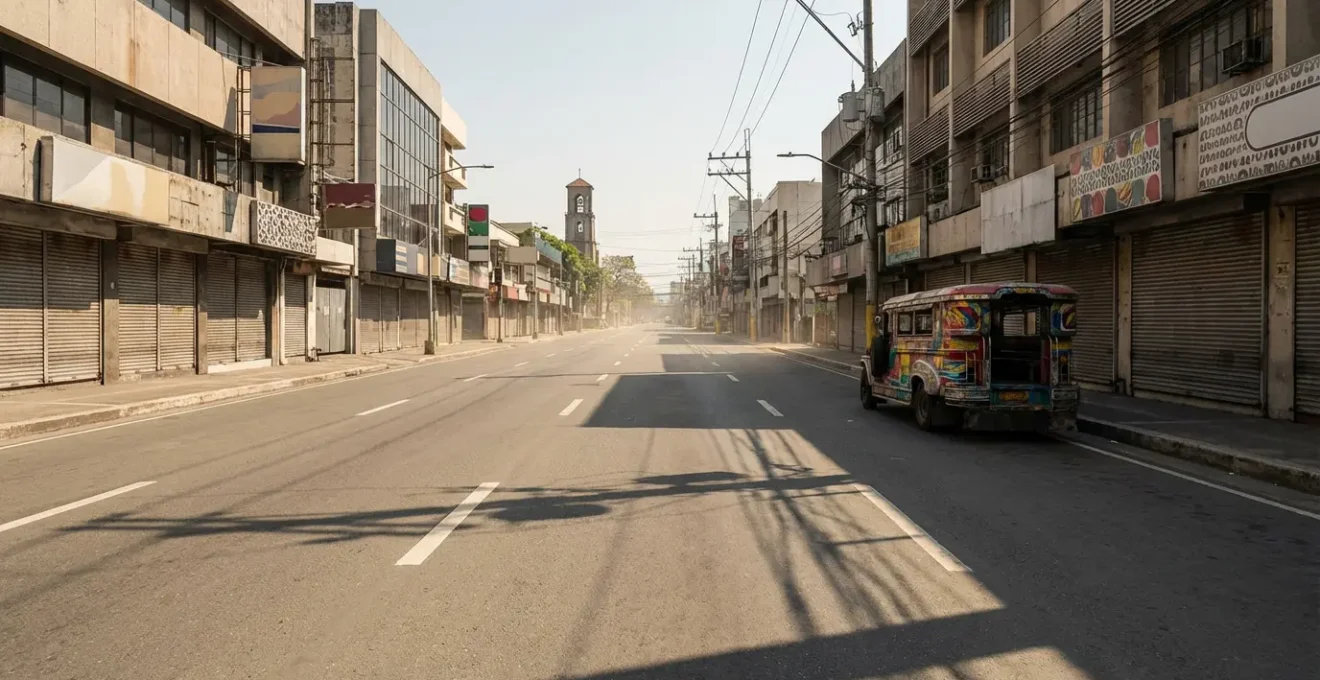
The profound quiet of Good Friday in the Philippines isn’t a sign of a country on holiday; it’s an active, atmospheric shift where public life is replaced by visible acts of faith and deep-rooted folk traditions.
- Extreme penance like crucifixions are not spectacles but personal vows (*panata*), making spirituality a public, physical act.
- The silence is amplified by a mass urban exodus, leaving cities like Manila feeling like ghost towns, while a unique food culture reinforces the day’s contemplative mood.
Recommendation: Instead of trying to find a party, travelers should embrace the stillness as a rare opportunity to witness a country’s soul, observing rituals with respect and understanding the complex blend of faith and folklore that defines the day.
For the uninitiated traveler, arriving in a major Philippine city on Good Friday is a disorienting experience. You might expect the vibrant chaos of Southeast Asia, but instead, you are met with an almost unnerving stillness. Malls are shuttered, the notorious traffic vanishes from the six-lane highways, and a pervasive quiet hangs in the humid air. The common explanation is simple: it’s a national holiday in a devoutly Catholic country. But this surface-level answer misses the profound cultural texture of the day.
Many assume the silence is merely an absence—of commerce, of traffic, of noise. They might search for the pockets of life, a restaurant that has bent the rules or a tourist spot that remains open, trying to carry on with a typical vacation itinerary. This approach, however, fails to grasp the essence of the day. The quiet is not empty. It is filled with a different kind of energy, one of public penance, communal ritual, and a fascinating blend of organized religion and pre-colonial folk spirituality.
But what if the key to understanding Good Friday wasn’t in what is closed, but in what is opened? This day pulls back a curtain on the Filipino soul, revealing practices that are deeply personal yet performed in the open. The silence is not a shutdown; it is an atmospheric shift where the sacred reclaims public space. From dramatic crucifixions in the north to the specific foods cooked in homes, every element is part of a national, collective observance.
This guide delves into the layers of that quietness. We will explore the intense acts of devotion, the logistical realities of travel, the unique culinary traditions, and the deep-seated syncretic beliefs that make Good Friday in the Philippines a cultural phenomenon unlike any other. It is an invitation to stop looking for what is missing and start observing what is powerfully present.
Summary: Decoding the Great Filipino Stillness
- San Pedro Cutud: Should You Watch the Real Crucifixions?
- The Mistake of Trying to Fly Domestic on Good Friday Morning
- Binignit and Monggo: What Do Filipinos Eat When Meat Is Forbidden?
- Boracay during Holy Week: How to Deal with the “Laboracay” Party Crowd?
- When to Start the 7-Church Visitation to Beat the Heat and Traffic?
- When to Avoid Travel During Holy Week to Escape the Crowds?
- When to Visit Baclaran Church to Hear the Unique Mass Singing?
- Why Do Filipinos Wear “Anting-Anting” Amulets Alongside Rosaries?
San Pedro Cutud: Should You Watch the Real Crucifixions?
For many outsiders, the most startling expression of Filipino piety is the sight of real-life crucifixions. In San Pedro Cutud, a village in the province of Pampanga, this ritual is the raw, visceral heart of Good Friday. Each year, a handful of devotees are literally nailed to wooden crosses in a reenactment of Christ’s suffering. This is not a performance for tourists but the culmination of a sacred vow known as a panata. This vow is a deeply personal contract with the divine, often made in exchange for a miracle, like healing a loved one or surviving a personal catastrophe.
According to San Fernando city officials, in 2024 alone, 10 people were nailed to crosses at three sites, a testament to the ritual’s enduring power. The most famous devotee, Ruben Enaje, has undergone the ordeal for 36 consecutive years as a form of thanksgiving for surviving a fall from a building. He describes the experience as intensely painful for the first few seconds before a sense of numbness sets in. His devotion, and that of others who walk for miles while whipping their own backs bloody, transforms private faith into a public, physical spectacle of penance that contributes to the day’s heavy, somber atmosphere.
Case Study: Ruben Enaje’s 36-Year Crucifixion Devotion
Ruben Enaje, now 64, is the living embodiment of the *panata*. His annual crucifixion began as a promise of thanksgiving after he survived a fall from a three-story building in 1985. “The first five seconds were very painful,” he has stated. “As time goes and the blood goes down, the pain numbs and I can stay on the cross longer.” His continued participation has evolved to include prayers for his family and community. Enaje’s story highlights that this extreme act is not about spectacle, but a profound, lifelong spiritual transaction.
For a traveler, the decision to witness this event should not be taken lightly. It requires mental preparation for graphic scenes of real blood and pain. If you choose to go, it is crucial to act as a respectful observer, not a spectator at a festival. This means dressing modestly, maintaining silence during the key moments of the ritual, and understanding that you are a guest at a deeply significant religious expression.
The Mistake of Trying to Fly Domestic on Good Friday Morning
The profound silence that blankets Manila on Good Friday is the direct result of a massive, preceding exodus. Attempting to travel against this tide is a logistical nightmare, but trying to travel on the day itself presents a different problem: the country’s infrastructure has simply stopped. While international flights may operate, the domestic wings of airports transform into ghost towns. Check-in counters are unstaffed, food stalls are closed, and a handful of skeleton crews manage the near-empty terminals.
This shutdown is the culmination of a week-long travel frenzy. In the days leading up to Good Friday, Manila’s airports see an unprecedented surge. For instance, during the Holy Week period, NAIA expects a surge to 155,000-157,000 daily passengers, up from a regular average of 145,000. This peak hits its crescendo on Holy Wednesday and Maundy Thursday, as millions of city dwellers return to their home provinces to be with family.
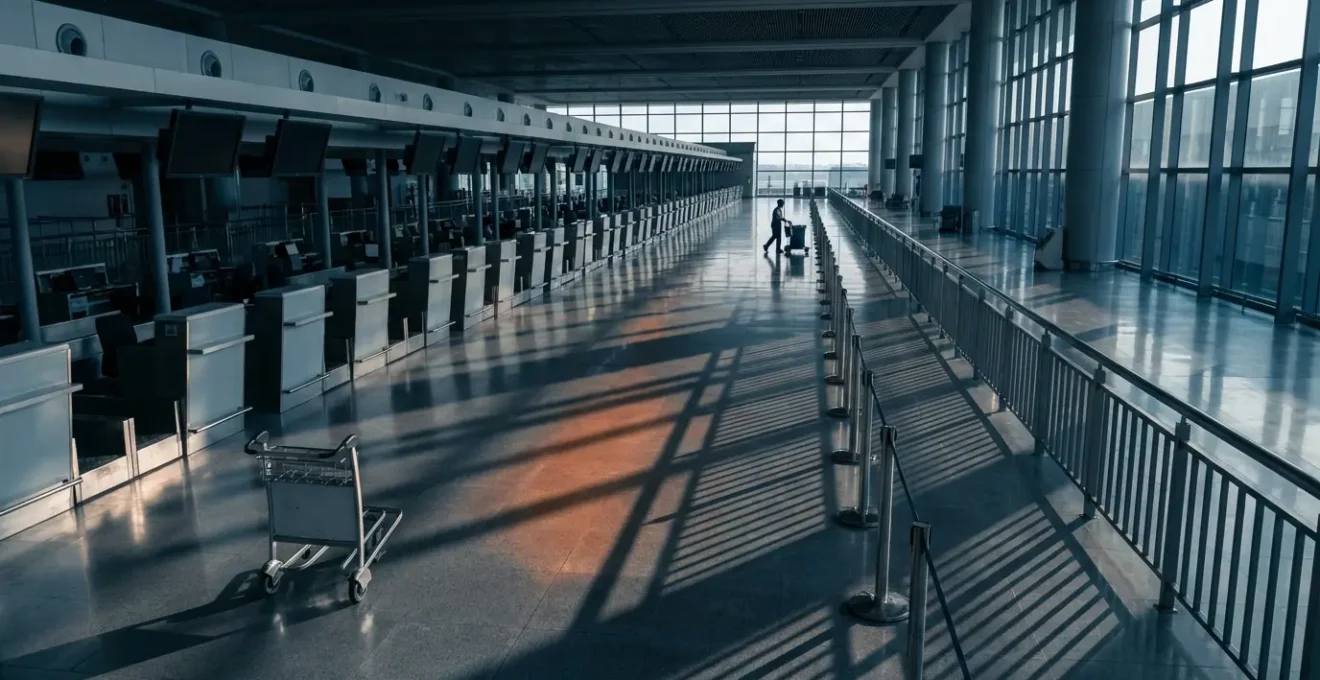
As the table below illustrates, the transport system grinds to a halt precisely on Good Friday. Passenger volume plummets to its lowest point of the week, as those who needed to travel have already done so. The few who remain in the city are home, observing the solemnity of the day. For a traveler, this means that even if you could find a flight, getting to the airport would be eerily easy, but finding services or staff would be nearly impossible. The mistake isn’t just about a lack of flights; it’s about fundamentally misunderstanding that on this one day, the nation’s clock is set to sacred time, not secular time.
This data from GMA Network shows a clear timeline of the transport paralysis during Holy Week.
| Day | Transport Status | Passenger Volume |
|---|---|---|
| Holy Wednesday PM | System paralysis begins | Peak exodus starts 3PM |
| Maundy Thursday | Flights/buses sold out | 150,000+ at NAIA |
| Good Friday | Minimal ‘Ghost Staff’ | Lowest: 124,230 (2024) |
| Easter Sunday PM | Return rush chaos | Highest: 139,894 (2024) |
Binignit and Monggo: What Do Filipinos Eat When Meat Is Forbidden?
The quiet of Good Friday extends into the Filipino kitchen, where the absence of meat gives rise to a unique culinary landscape. This is not merely about dietary restriction; it is a form of contemplative consumption. The foods prepared are intentionally simple, humble, and often communal, reflecting the penitential spirit of the day. Two dishes stand out: Binignit in the Visayas and Mindanao, and Ginisang Monggo in Luzon.
Binignit is a warm, sweet stew made from a base of coconut milk, filled with humble root crops and fruits. Ingredients like kamote (sweet potato), ube (purple yam), saba bananas, and tapioca pearls are slow-cooked together. The prominence of root vegetables is symbolic, representing humility and being “grounded” in faith. In many Visayan communities, cooking Binignit becomes a neighborhood affair. Large cauldrons are set up outdoors, with families contributing ingredients and sharing the final product, reinforcing community bonds during a sacred observance.
In the northern region of Luzon, the go-to dish is often Ginisang Monggo, a savory mung bean stew, typically cooked with readily available vegetables and sometimes smoked fish or shrimp for flavor. Like Binignit, it is a one-pot dish that is both nourishing and unpretentious. Many devout Catholics will observe a full fast—abstaining from all food and water—until 3 PM, the traditional hour of Christ’s death. When they break their fast, it is with these simple, meatless meals that feel both restorative and respectful of the day’s solemn mood.
Boracay during Holy Week: How to Deal with the “Laboracay” Party Crowd?
Boracay, an island synonymous with white-sand parties, seems like the antithesis of Good Friday’s solemnity. In the past, the week culminated in “Laboracay,” a massive Labor Day party that bled into Holy Week, creating a bizarre mix of sacred observance and secular revelry. While post-rehabilitation regulations have significantly tamed the chaos, Holy Week remains peak season, drawing immense crowds. For a traveler seeking a semblance of peace, the challenge is to navigate the island strategically, finding pockets of the quiet that permeates the rest of the country.
The key is to understand the island’s geography and the crowd’s daily rhythm. The epicenter of the party scene is, and always has been, White Beach Station 2. The strategy, therefore, is one of avoidance and counter-programming. This means choosing accommodations at the quieter southern end of Station 3 or on the more secluded Diniwid Beach to the north. Activities like island hopping or water sports should be booked for the early morning hours, before the party crowds emerge around noon.

Even on an island geared for tourism, the “atmospheric shift” of Good Friday is palpable. While not silent, the energy is more subdued. Live bands and fire dancers might be less common, and many local-run establishments will be closed, particularly during the day. Finding quietude requires a deliberate effort, like taking a tricycle ride to the expansive Puka Beach or seeking out the cliffside restaurants of Diniwid for a sunset dinner away from the main throng. It is a reminder that even in the most commercialized corners of the Philippines, the cultural weight of Holy Week cannot be entirely escaped.
Your Action Plan: Strategic Sanctuary Guide for a Peaceful Boracay
- Beach Selection: Skip White Beach Stations 1-3. Head to Diniwid Beach (a 15-minute walk north) or Puka Beach (a tricycle ride away) for relative quiet and space.
- Activity Timing: Book parasailing, island hopping, or diving for the 6-9 AM time slots. The party crowds typically emerge around noon, leaving the mornings surprisingly serene.
- Accommodation Strategy: Choose hotels at the far southern end of Station 3 or in the Diniwid area. These locations are naturally buffered from the noise and foot traffic of Station 2’s party epicenter.
- Dining Tactics: Make dinner reservations for 5-6 PM. You will avoid the 8 PM rush when partygoers are starting their evening, ensuring a more relaxed meal.
- Post-2018 Reality Check: Remember that stricter government regulations now prohibit large beach parties after 2 AM and limit alcohol sales, significantly taming the legendary ‘Laboracay’ chaos of the past.
When to Start the 7-Church Visitation to Beat the Heat and Traffic?
While some express their faith through extreme physical penance, a far more common and widespread ritual is the Visita Iglesia (Church Visit). On Maundy Thursday and Good Friday, millions of Filipinos embark on a pilgrimage to visit and pray in at least seven different churches. This tradition fills the otherwise quiet streets with a different kind of traffic: a slow, contemplative procession of the faithful. For the traveler, participating in or observing this tradition is a beautiful way to experience the country’s collective spirituality, but it comes with the challenges of intense tropical heat and concentrated crowds.
The conventional wisdom is to do the visitation on Good Friday morning. However, this is precisely when crowds, traffic, and temperatures are at their peak. Expert devotees have adopted a far more strategic approach: the Maundy Thursday night pilgrimage. Starting around 8 PM on Thursday, after the evening Mass, offers a vastly superior experience. The churches remain open late for adoration at the Altar of Repose, the scorching daytime temperatures drop to a more comfortable 26-28°C, and road traffic is minimal, as most people have already settled in their destinations for the night. This timing allows for the completion of all seven churches in under four hours, a stark contrast to the six-to-eight-hour ordeal it can become on Good Friday.
In a sprawling metropolis like Manila, planning a route is essential. There are several popular options depending on your preference and mode of transport.
| Route Name | Churches Covered | Distance/Time | Best For |
|---|---|---|---|
| Intramuros Walking Route | San Agustin, Manila Cathedral, San Ignacio, plus 4 chapels | 2.5km / 3 hours | History buffs, pedestrians |
| Quezon City Grand Shrines | Santo Domingo, Christ the King, St. Peter’s | 15km drive / 4 hours | Car owners, modern churches |
| One-Stop Baclaran/Quiapo | 7 altars within single complex | No travel / 2 hours | Elderly, limited mobility |
When to Avoid Travel During Holy Week to Escape the Crowds?
The quiet of Good Friday is a direct consequence of the pandemonium that precedes and follows it. For any traveler, understanding the precise “eye of the storm” is critical to avoid being swept up in the largest annual domestic migration in the Philippines. The exodus from major urban centers, especially Metro Manila, is not a single-day event but a wave that builds to a breaking point. The Parañaque Integrated Terminal Exchange (PITX), a major bus hub, projects that for the 2025 season, 2.3 million passengers will pass through its gates between April 9th and 20th alone.
The absolute worst window to attempt any form of provincial travel is from 3 PM onwards on Holy Wednesday. This is when offices close and the mass exodus begins, paralyzing bus terminals, airports, and major expressways for the next 24 hours. The return journey is just as chaotic, with the peak rush happening on Easter Sunday evening and continuing through all of Monday as people travel back to the cities for the work week.
However, this mass departure creates a unique and often overlooked opportunity for those who remain in the city. Good Friday is arguably the best day of the year to explore Metro Manila. With an estimated 80% of its residents gone, the normally congested streets become open and walkable. It’s a rare chance to see historical districts, parks, and monuments without the usual crush of people and traffic. This “destination inversion” even extends to commerce, as hotels in business districts like Makati or Bonifacio Global City (BGC) often offer discounts of 40-50% to attract “staycationers” while the rest of the country heads to the provinces.
Checklist for your Eye of the Storm Urban Exploration
- Worst Exodus Window: Mark your calendar to avoid all terminals and expressways from Holy Wednesday at 3 PM through all of Maundy Thursday. This is the peak of the outbound rush.
- Worst Return Window: Do not plan any travel back into major cities on Easter Sunday evening or the entire following Monday. This is when the return gridlock is at its most intense.
- Good Friday City Opportunity: With the city emptied, use Good Friday to explore normally congested areas like Intramuros, Binondo, or the CCP Complex on foot or by bicycle. The experience is completely different.
- Destination Inversion Hack: Check for “staycation” deals in major business districts like Makati or BGC. Hotels offer significant discounts to fill rooms emptied by the exodus to the provinces.
- Smart Timing Alternative: If you must travel, the sweet spots are the Tuesday before Holy Week or the Tuesday after Easter. You will experience up to 70% fewer crowds at all transport hubs.
When to Visit Baclaran Church to Hear the Unique Mass Singing?
The quiet on Good Friday is not always a literal absence of sound. In places of immense faith like the National Shrine of Our Mother of Perpetual Help, better known as Baclaran Church, the silence is filled with a unique auditory texture: the collective voice of thousands praying in unison. Baclaran is world-famous for its Wednesday Novena, where the sheer volume of communal singing creates a powerful, stadium-like acoustic phenomenon. However, the Good Friday service offers a different, more somber but equally moving soundscape.
On Good Friday, the main event is the Siete Palabras (Seven Last Words) service, held from noon to 3 PM. Unlike the more musically-inclined Novena, this service is dominated by spoken sermons and the traditional chanting of the Pasyon, an epic narrative of Christ’s life, passion, and death. The acoustic power here comes not from professional quality or musical arrangement, but from the raw, unfiltered sound of collective devotion. It has been described as an “unreproducible soundscape of faith,” where thousands of ordinary voices, united in heartfelt emotion, create a sound that is both haunting and profoundly beautiful.
For a traveler wishing to experience this, a few practical considerations are key. The area around Baclaran is notorious for its sprawling market and chaotic traffic, which becomes nearly impossible on Good Friday. The only sane way to arrive is via the LRT-1 train, alighting at Baclaran station. To secure a spot inside the church for the 3 PM service, arriving by 1:30 PM is advisable. It is also a prime location for pickpockets, so keeping valuables hidden is a must. This experience is a deep immersion into Filipino popular piety, a far cry from a curated tourist event.
Key takeaways
- Good Friday’s silence is not emptiness but a shift to sacred time, filled with public acts of penance and folk spirituality.
- The quiet is amplified by a massive urban exodus, creating ghost towns in cities and logistical paralysis in transport hubs.
- Understanding and respecting local traditions, from extreme rituals to specific foods, is key to appreciating this unique cultural phenomenon.
Why Do Filipinos Wear “Anting-Anting” Amulets Alongside Rosaries?
Perhaps the deepest layer of Good Friday’s quiet atmosphere lies in a fascinating spiritual syncretism, a blend of Catholicism and pre-colonial animist beliefs. Nowhere is this more visible than in the common sight of a devout Filipino holding a rosary in one hand while wearing an anting-anting (amulet) around their neck. These objects are not seen as contradictory but as serving complementary functions. This blend of faith is a crucial key to understanding the Filipino soul and the unique texture of its religious observances.
As P. J. Bräunlein, an academic who has studied the rituals, notes in “Negotiating Charisma,” this duality is perfectly logical within the local worldview.
The Rosary is for divine prayer and intercession from God, while the Anting-Anting is for tangible, earthly protection and power. They serve complementary, not competing, functions in Filipino syncretism.
– P. J. Bräunlein, Negotiating Charisma: The Social Dimension of Philippine Crucifixion Rituals
This syncretism becomes especially potent on Good Friday. Many believers feel that the immense spiritual energy released at the moment of Christ’s death makes it the most powerful day to “recharge” their anting-anting. Pilgrims flock to sacred sites like Mount Banahaw, a dormant volcano considered the spiritual center for these practices. There, on the night of Good Friday, Catholic prayers mix with ancient rituals as devotees perform ceremonies at caves and springs, reciting both Latin prayers and pre-Hispanic chants to imbue their amulets with protective power for the year ahead.
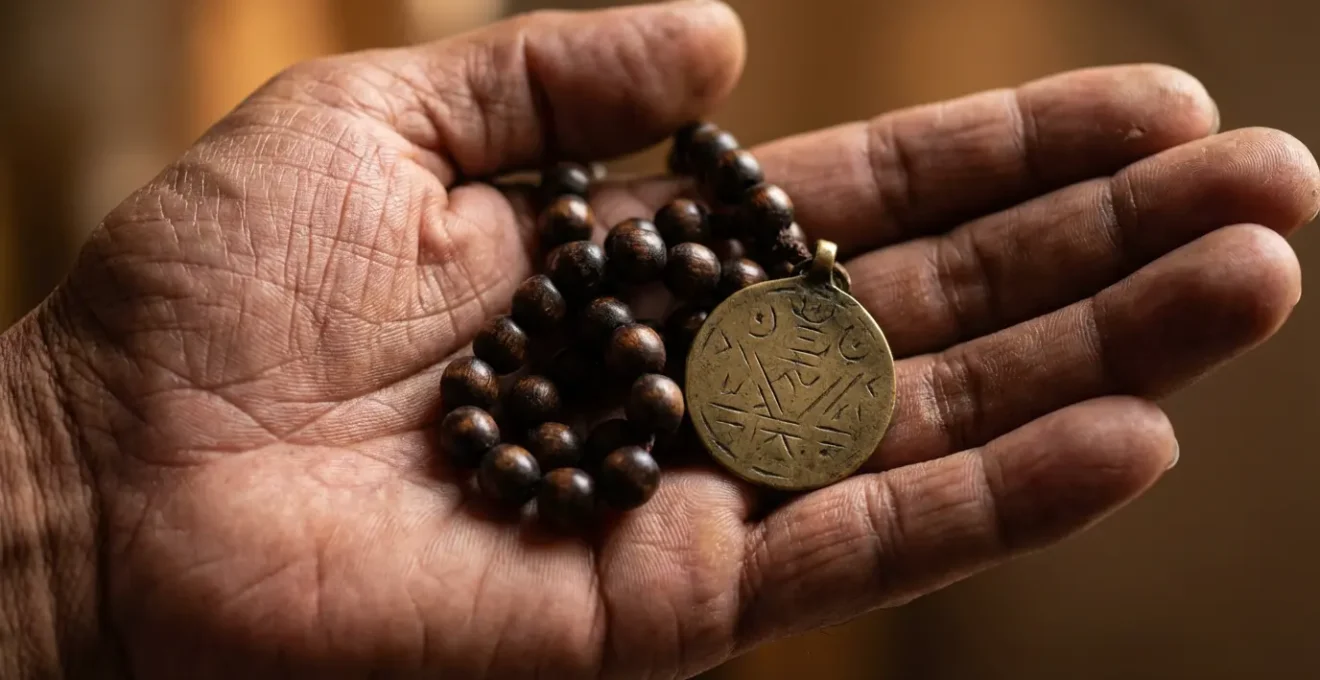
This practice reveals that the quiet of Good Friday is not just a Catholic observance. It is a moment when the veil thins, and older, more primal beliefs resurface and integrate with the dominant faith. The anting-anting provides tangible, immediate protection from earthly dangers like knives or bullets, while the rosary offers a path to divine salvation. For the traveler who notices these details, it is a profound insight: the silence of Good Friday is a space where multiple layers of Filipino spirituality coexist and find their most powerful expression.
Therefore, when you next find yourself in the Philippines during Holy Week, listen not for the noise that is absent, but for the profound silence that speaks volumes. Observe with respect, and you will witness not an empty day, but a country’s soul laid bare in a complex, beautiful, and unforgettable display of faith.