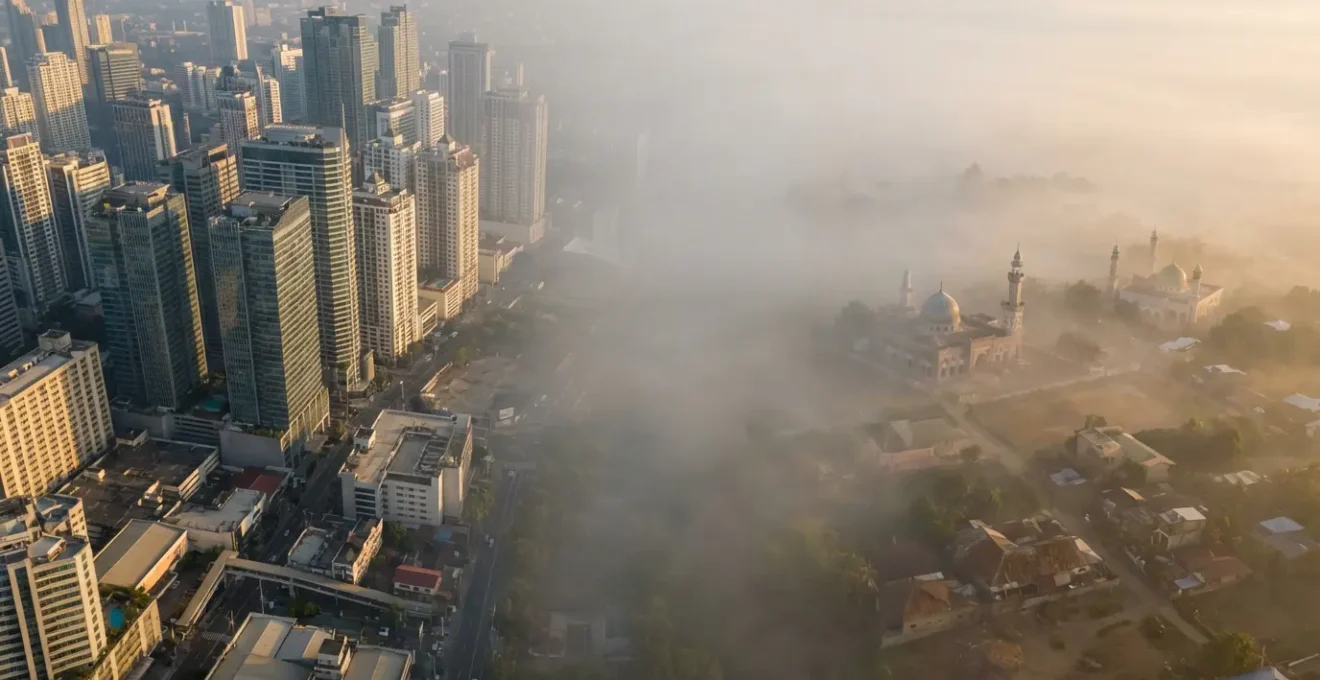
The stark difference in Halal food availability between Manila and Mindanao is a direct, edible legacy of colonial history, not just a simple demographic fact.
- Spanish colonial suppression marginalized Islamic culture and its cuisine in the north, leading to a pork-dominant food scene in Manila.
- Mindanao’s resilient autonomy, particularly in the BARMM region, allowed it to preserve and celebrate its rich, pre-colonial Muslim and Halal heritage.
Recommendation: To truly experience the Philippines’ authentic Halal culinary landscape, travelers should look south to Mindanao, where food is deeply intertwined with culture and history.
For many Muslim travelers, arriving in Manila is a culinary puzzle. In a Southeast Asian nation, one might expect Halal food to be reasonably accessible. Instead, you’re greeted by a vibrant food culture where pork, in dishes like lechon and sisig, is the celebrated star. The quest for a certified Halal meal can feel like a trek, often leading to a small, segregated district. This experience stands in stark contrast to the southern island of Mindanao, where Halal food is not an exception but the standard, woven into the very fabric of daily life.
Many guides will offer a simple explanation: the Philippines is a predominantly Catholic country. While true, this answer barely scratches the surface. It fails to address the deeper question of *how* this came to be, especially when Islam was a dominant faith in the archipelago long before the Spanish arrived. The difficulty in finding Halal food in the capital is not a modern oversight; it is a living echo of centuries of history, a culinary divide carved by colonial suppression and cultural resilience.
But what if the key to understanding this divide isn’t just about what’s missing in Manila, but about what has been preserved in Mindanao? This guide moves beyond the simple “where to eat” and delves into the “why.” We will explore how the historical paths of the north and south diverged, creating two distinct Filipino identities. By understanding this context, a journey to Mindanao transforms from a simple trip into a profound discovery of the Philippines’ authentic Muslim heritage, where spiritual gastronomy and resilient culture are served on every plate.
For those who prefer a visual taste, the following video offers a beautiful teaser of the Halal culinary world that awaits you in Mindanao, a perfect appetizer for the journey we are about to embark on together.
To fully appreciate this journey, this guide is structured to take you from the practicalities of travel in Muslim Mindanao to the historical roots of the culinary divide you experience today. Explore the sections below to navigate this fascinating landscape.
Summary: Why Is Halal Food Harder to Find in Manila Than in Mindanao?
- How to Visit the Dimaukom Mosque in Maguindanao Safely?
- The Mistake of Ignoring the autonomous status of BARMM
- Zamboanga City: Where to Buy Authentic Yakan Fabrics?
- Dining During Ramadan: What to Expect in Muslim-Majority Cities?
- When to Visit the Sultan Hassanal Bolkiah Mosque for the Best Light?
- Spanish vs. American Influence: Which Is More Visible in Modern Manila?
- What to Wear in Tawi-Tawi to Respect Islamic Customs?
- Is Davao City Really the Safest City in the Philippines?
How to Visit the Dimaukom Mosque in Maguindanao Safely?
Visiting Masjid Dimaukom, famously known as the Pink Mosque, in Datu Saudi-Ampatuan is a highlight for any traveler exploring Maguindanao. Its striking pink facade, a color chosen by its Christian-funded mayor to symbolize peace and interfaith unity, makes it a unique architectural and cultural landmark. It serves as a vital spiritual center for the community, showcasing the rich history of the region. To ensure your visit is respectful and enriching, adhering to local customs is paramount.
Beyond its beauty, the mosque represents a powerful story of positive interfaith dynamics in a region often misunderstood. Engaging with the site respectfully allows you to appreciate not just the architecture, but the narrative of peace it embodies. The key is to approach your visit with cultural awareness and a willingness to observe, rather than just to see. This means paying close attention to dress, timing, and behavior.
To help you navigate this experience with confidence, follow this practical checklist. It covers the essential protocols that show respect for the local culture and the sanctity of the place of worship.
Your Action Plan: Cultural Protocol for Mosque Visits in BARMM
- Dress Modestly: Wear loose, long-sleeved clothing. For women, a head covering (tudung) is essential, and for men, a traditional cap (kupya) is a sign of respect. This also provides excellent protection from the sun.
- Time Your Visit: Plan your visit outside of main prayer times. It is especially important to avoid Friday noon prayers, as this is the busiest congregational prayer of the week. Visiting during quieter times allows you to observe daily life without disruption.
- Learn Basic Greetings: A simple ‘Assalamu alaikum’ (peace be upon you) goes a long way. Learning a few basic Maguindanaon greetings demonstrates genuine cultural awareness and helps break the ice with locals.
- Engage with Locals: Don’t hesitate to ask for directions or insights. Locals are often very helpful and can provide valuable information about cultural practices and the history of the mosque.
- Follow Mosque Etiquette: Always remove your shoes before entering prayer areas. Maintain a quiet and respectful demeanor throughout your visit, avoiding loud conversations and intrusive photography.
By following these simple steps, your visit to the Dimaukom Mosque will transform from a photo opportunity into a meaningful cultural exchange, deepening your understanding of Mindanao’s spiritual heart.
The Mistake of Ignoring the autonomous status of BARMM
A common mistake for travelers is to view the entire Philippines through the lens of Manila’s centralized government. In the south, this perspective is not just inaccurate; it’s a misunderstanding of a deep-seated identity. The Bangsamoro Autonomous Region in Muslim Mindanao (BARMM) is not just another administrative region. As a result of a historic 2019 agreement, it is a self-governing entity with its own parliament, legal system, and cultural priorities. Ignoring this resilient autonomy means missing the very essence of what makes this part of the Philippines unique.
As the NomadMania Travel Guide notes, the creation of BARMM gave the Bangsamoro people more control over their land and the ability to protect their culture and way of life. According to their travel guide, the region can now make its own rules and protect its traditions while remaining part of the Philippines. This autonomy is visible everywhere: from public holidays celebrating events like Eid al-Fitr and Bangsamoro Foundation Day, to the application of Sharia law for its Muslim residents alongside national law. The region is also experiencing significant growth; a government report noted that the Bangsamoro region had the fastest-growing population with an annual rate of 3.43 percent, indicating a dynamic and evolving society.
This distinct political and cultural status directly shapes the travel experience, particularly regarding Halal food. The regional government actively promotes Muslim-friendly tourism, ensuring that Halal certification is not a niche market but a foundational aspect of its hospitality industry. This commitment creates a welcoming and seamless experience for Muslim visitors that is simply not prioritized at the same level elsewhere in the country.
| Aspect | BARMM | Other Regions |
|---|---|---|
| Political Status | Autonomous with own parliament | Regular administrative regions |
| Public Holidays | Islamic holidays (Eid al-Fitr, Bangsamoro Foundation Day) | National holidays only |
| Legal System | Sharia law for Muslims + Philippine law | Philippine law only |
| Tourism Focus | Muslim-friendly, halal-certified | General tourism |
For any traveler, recognizing this autonomy is crucial. It explains the prevalence of Halal food, the cultural norms, and the profound sense of identity you’ll encounter. It is the key to seeing BARMM not as an outlier, but as the heartland of a preserved Filipino-Muslim heritage.
Zamboanga City: Where to Buy Authentic Yakan Fabrics?
Zamboanga City, known as “Asia’s Latin City,” is a fascinating cultural crossroads. While its Spanish influence is prominent, it is also a gateway to the indigenous cultures of the Zamboanga Peninsula and the Sulu Archipelago. For those seeking a tangible piece of this rich heritage, there is no better souvenir than the intricate textiles of the Yakan people. Renowned for their vibrant colors and complex geometric patterns, Yakan fabrics are a testament to a weaving tradition passed down through generations.
The best place to find authentic Yakan textiles is the Yakan Weaving Village, located on the outskirts of Zamboanga City. This community is not a mere marketplace but a living workshop where you can witness the weavers in action. Here, artisans, mostly women, work on traditional backstrap looms, a painstaking process that requires immense skill and patience. Each design, or *tennun*, tells a story, with patterns inspired by nature and Islamic geometry. Buying directly from the weavers ensures your purchase is authentic and directly supports the preservation of this unique craft.
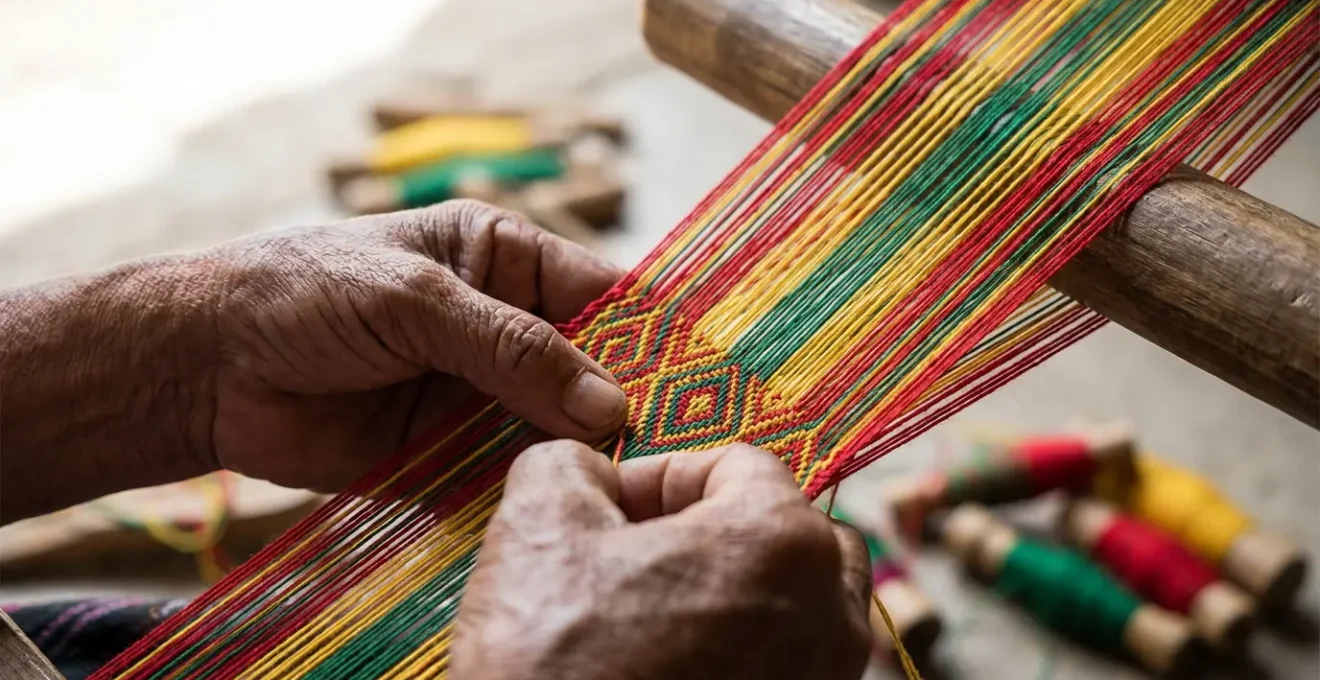
As you watch the weavers’ hands deftly move across the loom, you’ll see the bold reds, yellows, and greens come together to form mesmerizing diamond and zig-zag motifs. The textiles come in various forms, from table runners and placemats to bags and traditional garments like the *malong*. This is more than just shopping; it’s an immersive cultural experience that connects you to the edible heritage and artistic soul of the region’s indigenous Muslim communities.
When you purchase a piece of Yakan fabric, you are taking home more than just a beautiful object. You are acquiring a piece of history, a symbol of cultural resilience, and a direct link to the artistic soul of Mindanao’s indigenous people.
Dining During Ramadan: What to Expect in Muslim-Majority Cities?
Traveling in Muslim-majority cities like Cotabato City or Marawi during the holy month of Ramadan offers a unique and profound experience of spiritual gastronomy. However, it requires an adjustment in expectations and a deep respect for local customs. During daylight hours, from sunrise to sunset, practicing Muslims abstain from all food and drink. As a visitor, this means you will find most restaurants and eateries closed, and it is a crucial sign of respect to avoid eating or drinking in public.
The cities transform as sunset approaches. The quiet of the day gives way to a vibrant, communal atmosphere. The breaking of the fast, or Iftar, is a major social event. Often, the fast is broken with dates and water, followed by a full meal shared with family and friends. Throughout the month, many communities, like in Cotabato City, host large public gatherings. As one report on the city’s celebrations mentions, the Bangsamoro government sponsors Iftar meals for those who fast, turning public squares into lively venues for families to gather and share food.
For the traveling foodie, the real magic happens after the evening Maghrib prayers. Night markets spring up, offering a dazzling array of Ramadan-exclusive delicacies. This is your chance to sample traditional sweets, savory pastries, and hearty dishes prepared specially for the season. Another authentic experience is Suhoor, the pre-dawn meal eaten between 3 and 4 AM before the fast begins again. While it requires an early start, joining a family for Suhoor is an unforgettable cultural immersion. To navigate this special time gracefully, keep these points of etiquette in mind:
- Avoid eating, drinking, or smoking in public during fasting hours.
- Experience a communal Iftar meal at sunset, which often begins with dates and water.
- If you are invited to an Iftar, it is a thoughtful gesture to bring a small gift, such as dates or fruit.
- Always wait for your host to begin eating before you start.
- Explore the night markets for a taste of unique Ramadan-specific dishes and sweets.
By embracing the rhythm of Ramadan, you do more than just travel; you participate in a cherished tradition, gaining a deeper appreciation for the communal spirit and faith that define life in Muslim Mindanao.
When to Visit the Sultan Hassanal Bolkiah Mosque for the Best Light?
The Sultan Hassanal Bolkiah Mosque in Cotabato City, also known as the Grand Mosque, is a breathtaking masterpiece of Islamic architecture. As the largest mosque in the Philippines, its four towering minarets and gleaming white and gold domes create a majestic silhouette against the sky. For photographers and travelers seeking to capture its serene beauty, timing your visit is everything. The mosque’s appearance changes dramatically with the light, offering different but equally stunning views throughout the day.
For the most spectacular photographs, the golden hour is unbeatable. This magical period occurs shortly after sunrise and just before sunset. During these times, the soft, warm light bathes the mosque’s white walls in a golden hue, creating a beautiful contrast with the deep blue of the sky. The best vantage point is often from across the Tamontaka River, where the calm water provides a perfect, mirror-like reflection of the illuminated structure. Visiting at dusk, as the mosque’s lights are just turning on, offers a particularly enchanting view as the warm glow of the minarets stands out against the twilight.
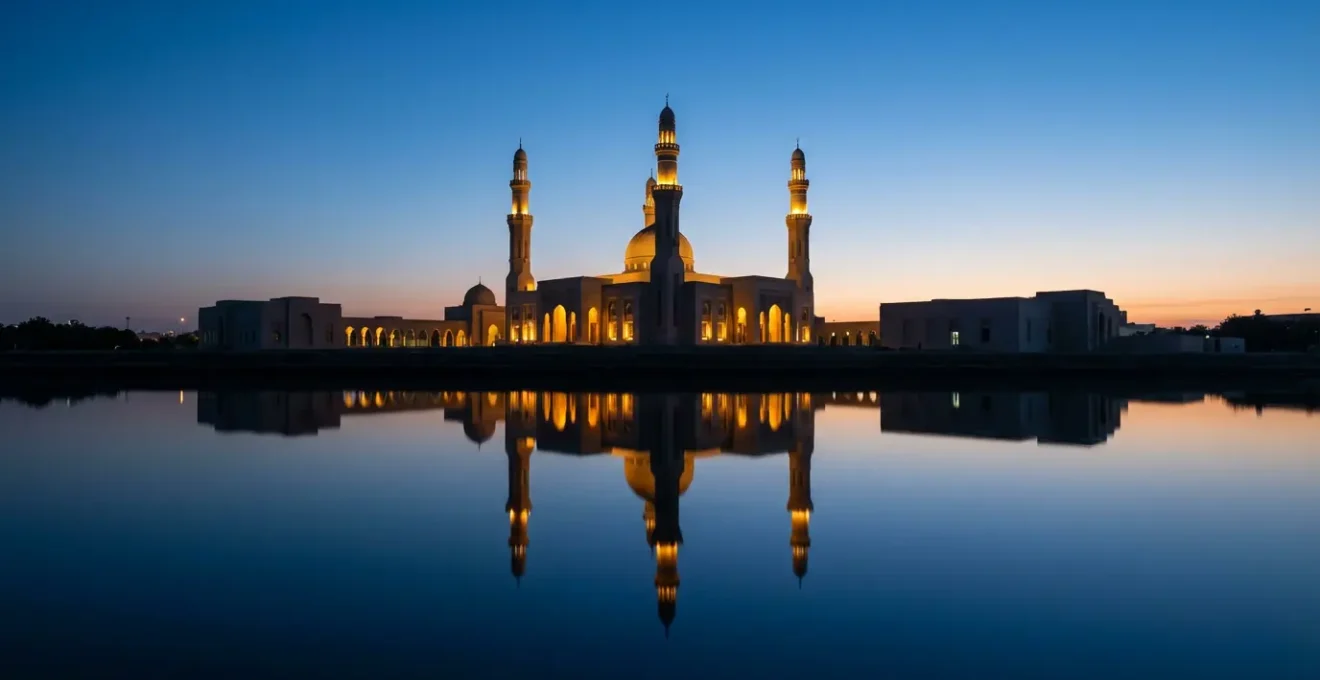
However, the architectural choices are not just for aesthetic appeal; they are deeply spiritual. The vast, bright, and open interiors of mosques like this are intentionally designed to create a sense of peace and equality before God. Visiting mid-day, when the sun is high, allows you to experience this intended effect, as light floods the prayer hall, illuminating the intricate details and creating a tranquil, airy atmosphere. This helps visitors appreciate the architecture not just for its beauty, but for its cultural and spiritual significance.
Whether you choose the dramatic light of the golden hour for photography or the bright calm of midday for spiritual reflection, a visit to the Sultan Hassanal Bolkiah Mosque is an essential part of understanding the grandeur and peace of Islamic culture in Mindanao.
Spanish vs. American Influence: Which Is More Visible in Modern Manila?
The Halal food scarcity in Manila is the direct result of a history where one colonial power actively reshaped the archipelago’s religious and cultural identity. Before the Spanish arrived in the 16th century, Islam was a predominant faith, with Muslim kingdoms flourishing even on the shores of Manila Bay. The Spanish conquest marked a turning point. As historical accounts show, Islam experienced a rapid decline due to the aggressive introduction of Christianity by missionaries. This process of colonial suppression was most successful in Luzon and the Visayas, while the southern Filipino tribes fiercely resisted, preserving their faith and way of life.
This historical divergence created the profound culinary divide seen today. In the north, a Catholic-dominant food culture emerged, where pork became a staple and Halal practices were marginalized. In the south, Islamic traditions, including dietary laws, remained central to the culture. The demographic data tells this story clearly: while the Bangsamoro region is predominantly Muslim, with 91% of its 4.9 million inhabitants adhering to the faith, Muslims represent a small and often segregated minority in Metro Manila, concentrated in areas like the Quiapo district.
This reality is echoed by travelers who experience this divide firsthand. As one travel blogger from Zoy To The World observes in a food guide to the city:
With the exception of Mindanao where there is a huge Muslim population, there is a scarcity of halal food in the country. The Philippines, on the contrary, can be a challenging destination for Muslim tourists (except if they travel in the Mindanao region).
– Zoy To The World, Manila Food Crawl: Halal Food in the City
The American influence, while visible in language, education, and the political system, did not fundamentally alter this religious and culinary landscape established by the Spanish. Therefore, the Spanish influence remains far more visible in Manila’s daily life, especially on the plate, defining what is—and what is not—readily available to eat.
This historical context transforms the search for Halal food from a simple inconvenience into a journey through the complex, layered identity of the Filipino nation itself.
What to Wear in Tawi-Tawi to Respect Islamic Customs?
Tawi-Tawi, the southernmost province of the Philippines, lies at the heart of the Sulu Archipelago. It’s a place of stunning natural beauty, with pristine beaches and rich marine life, but it’s also a deeply conservative region where Islamic customs are an integral part of daily life. For travelers, dressing appropriately is not just a suggestion; it is a fundamental sign of respect that will significantly shape your interactions with the local community.
The guiding principle is modesty. For both men and women, this means wearing loose-fitting clothing that covers the shoulders, arms, and legs. Tight or revealing attire is considered inappropriate, especially when visiting rural villages or entering a mosque. For women, covering your hair with a scarf or *tudung* is highly recommended, and essential when in a place of worship. These practices are not just about religious observance; they are also practical. Loose cotton clothing and head coverings offer excellent protection from the intense tropical sun.
As you travel through the BARMM region, you will notice how traditional garments are a vibrant expression of cultural identity. The people of Mindanao have endured decades of conflict, yet they continue to uphold a rich heritage. Wearing a traditional garment like a malong—a versatile tubular cloth that can be worn as a skirt, dress, or even a carrier—is a wonderful way to show cultural appreciation. It is practical, comfortable, and will be warmly received by locals. Your choice of clothing in Tawi-Tawi is a non-verbal way of communicating your respect and willingness to engage with the culture on its own terms.
- In Rural Villages & Mosques: Opt for full coverage with long sleeves and ankle-length pants or skirts. A head covering for women is essential.
- In Bongao Town Center: The dress code can be slightly more relaxed, but shoulders and knees should still be covered.
- On the Beach: While swimwear is acceptable at the beach itself, always bring a cover-up (like a malong or sarong) for walking to and from the water.
- Practical Choices: Loose cotton or linen clothing is ideal for the tropical climate, offering both comfort and modesty.
By dressing thoughtfully, you are not just adhering to a dress code; you are honoring a culture, showing respect for a community, and paving the way for a more authentic and meaningful travel experience.
Key Takeaways
- The Halal food gap between Manila and Mindanao is a direct result of colonial history, not just modern demographics.
- The autonomy of the BARMM region is the primary reason for the preservation and celebration of its authentic Halal culture and cuisine.
- Traveling respectfully in Mindanao involves more than finding food; it requires an appreciation for local customs, especially regarding dress and etiquette in religious sites.
Is Davao City Really the Safest City in the Philippines?
Davao City, located on the island of Mindanao, has long cultivated a reputation as one of the safest cities in the Philippines. While crime statistics can be debated, the perception of safety is strong among both residents and visitors. A significant part of this success story lies in its approach to cultural and religious integration. Unlike the segregated feel of Manila, Davao has made a concerted effort to include its significant Muslim minority into the city’s mainstream fabric. This is a crucial factor in understanding the city’s social harmony and, by extension, its reputation for safety.
This integration is highly visible in the city’s culinary scene. Halal food in Davao is not confined to a specific “Muslim town.” It is widely available and integrated into the mainstream market, with numerous restaurants and food stalls catering to the Halal needs of the community. The city government has also supported initiatives like the “Madrasah for All” program, promoting Islamic education within the public school system. This approach fosters mutual respect and understanding, reducing the social friction that can arise from cultural and religious divides.
This inclusive environment is a stark contrast to the national picture, where a community of some 12 million Muslims in a country of nearly 120 million people often faces marginalization outside of the BARMM. Davao’s model suggests that safety is not just about strict law enforcement; it’s about building a cohesive society where all communities feel seen, respected, and included. For a Muslim traveler, this means Davao City offers a comfortable and welcoming environment, bridging the gap between the heavily Christianized north and the autonomous Muslim south.
Ultimately, whether Davao is statistically the “safest” is less important than the lesson it offers: that visible, respected, and integrated Halal culture is a key ingredient in a peaceful and welcoming society. To truly understand this dynamic, your journey into the Philippines’ rich Muslim heritage is the essential next step.