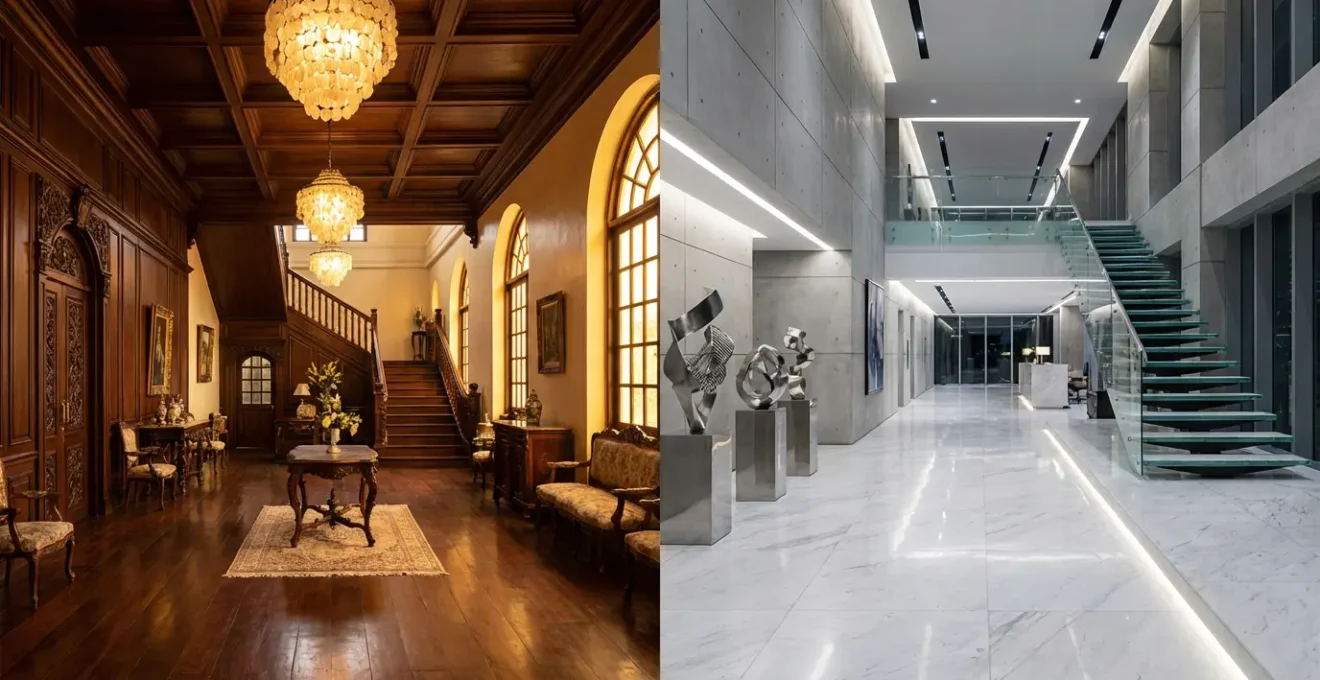
In Manila, the most soulful luxury isn’t found in a brand name, but in a hotel’s ability to create a seamless sanctuary from the city’s inherent friction.
- Global chains offer systematic security and predictable comfort, while heritage boutiques provide unique cultural texture and personalized service.
- True value lies in “operational elegance”—the invisible details like soundproofing, efficient service, and clear policies that ensure a frictionless stay.
Recommendation: Prioritize hotels that demonstrate a mastery of insulation and security, whether through advanced architectural features or discreet, robust safety protocols, to find your perfect urban oasis.
The moment you step out into Manila, the city envelops you. It’s a metropolis of intoxicating energy, a vibrant collision of history, commerce, and humanity that pulses with a rhythm all its own. For the sophisticated traveler, the promise of a five-star hotel is that of a refuge—a place to distill the city’s beauty without being consumed by its beautiful chaos. Yet, the choice often presented is a false one: the predictable, sterile gloss of a global chain versus the sometimes-uneven charm of a local boutique. We are told to choose based on brand recognition or quaint aesthetics, ticking off amenities like infinity pools and celebrity-chef restaurants.
But what if the true measure of luxury in a city like Manila lies elsewhere? What if it’s not about the thread count of the sheets, but the quality of the silence behind the window? This critique moves beyond the superficial to dissect the very soul of high-end hospitality in the Philippine capital. We propose that the ultimate luxury is not opulence, but insulation—a hotel’s profound ability to create a seamless, secure, and soulful sanctuary. It is an assessment of its operational elegance, its cultural texture, and its capacity to provide a truly frictionless experience amidst the urban dynamism.
This guide will deconstruct the critical friction points of a Manila stay, from the acoustics of your room to the nuance of tipping, to reveal where genuine, intelligent comfort is found. We will analyze how different properties manage security, value, and exclusivity, providing a framework to help you choose a hotel that doesn’t just house you, but truly understands you.
To navigate this complex landscape of luxury, we’ve structured this analysis around the key questions a discerning traveler must ask. The following summary outlines the path we’ll take to uncover which type of Manila hotel possesses more soul.
Summary: Decoding Manila’s Luxury Hotel Scene
- How to Request a Room That Is Actually Soundproof in Manila?
- Why Do Manila Hotels Ask for High Security Deposits Upon Check-in?
- The Risk of Staying in Luxury Hotels Located in Red-Light Districts
- When to Book a “Staycation” Package for the Best Weekend Rate?
- Club Lounge Access: Is It Worth the Extra Cost for Business Travelers?
- How to Secure a Reservation at Amanpulo Without Booking a Year Ahead?
- Tipping Etiquette: When to Tip Like an American and When to Hold Back?
- Why Do Luxury Resorts in the Philippines Cost More Than in Thailand?
How to Request a Room That Is Actually Soundproof in Manila?
The first and most fundamental element of a hotel sanctuary is silence. In a city as acoustically vibrant as Manila, a room’s ability to insulate you from the perpetual symphony of jeepneys, construction, and street life is the primary test of its luxury. Simply asking for a “quiet room” is an amateur’s game, often resulting in a room far from the elevator but still exposed to the full force of urban noise. The discerning traveler must speak the language of architectural acoustics to be heard.
True soundproofing is a matter of engineering, not location. It involves specific materials and construction techniques designed to block airborne and impact noise. Top-tier hotels invest heavily in this, but you must know what to ask for. The gold standard is double-pane laminated glass, a feature whose effectiveness is quantifiable; for example, acoustic testing confirmed that soundproof window installations achieved a 90% reduction in external noise levels in some hotel projects. This is the kind of technical specification that separates a truly quiet room from a merely well-placed one. Beyond the windows, wall treatments and floor coverings play a crucial role in creating a serene bubble.
To secure this peace, one must be specific and proactive. The request should be made at the time of booking and reiterated before arrival, using precise terminology to signal your understanding and non-negotiable need for genuine quiet. This demonstrates that you are not merely expressing a preference, but demanding a core feature of a true luxury experience.
Action Plan: Securing Your Acoustic Sanctuary
- Request a room with ‘double-pane laminated glass windows’ for superior sound blocking.
- Ask for rooms with ‘acoustic panel treatments’ on walls adjacent to corridors or other rooms.
- Specify a preference for ‘corner rooms with minimal shared walls’ to reduce noise from neighbors.
- Inquire about the presence of ‘carpet underlayment’ to dampen impact noise from the floor above.
- Demand rooms located away from ‘elevator banks and ice machines,’ referencing them as high-traffic service areas.
Why Do Manila Hotels Ask for High Security Deposits Upon Check-in?
The second point of friction for any traveler, immediately following the quest for silence, is the check-in process. In Manila, it is not uncommon for even the most luxurious hotels to request a significant security deposit, often amounting to several hundred dollars per night. For the uninitiated, this can feel like a jarring lack of trust, an immediate administrative hurdle that undermines the promise of a seamless welcome. This practice, however, is not arbitrary; it is a reflection of the market’s specific risk profile and operational realities.
Unlike more mature luxury markets where a credit card on file is sufficient, the high deposit standard in Manila serves as a pragmatic security layer for the hotel. It covers potential damages and, more commonly, significant incidental spending at the hotel’s numerous outlets—restaurants, bars, and spas. In a market with a wide spectrum of “luxury” offerings, this policy also acts as a filter. As noted in traveler forums, the perception of a gap in the ultra-high-end segment can lead even reputable chains to adopt stricter, more uniform trust protocols than they might in London or Tokyo. The deposit is less a judgment of the individual guest and more a standardized, system-wide risk mitigation strategy.
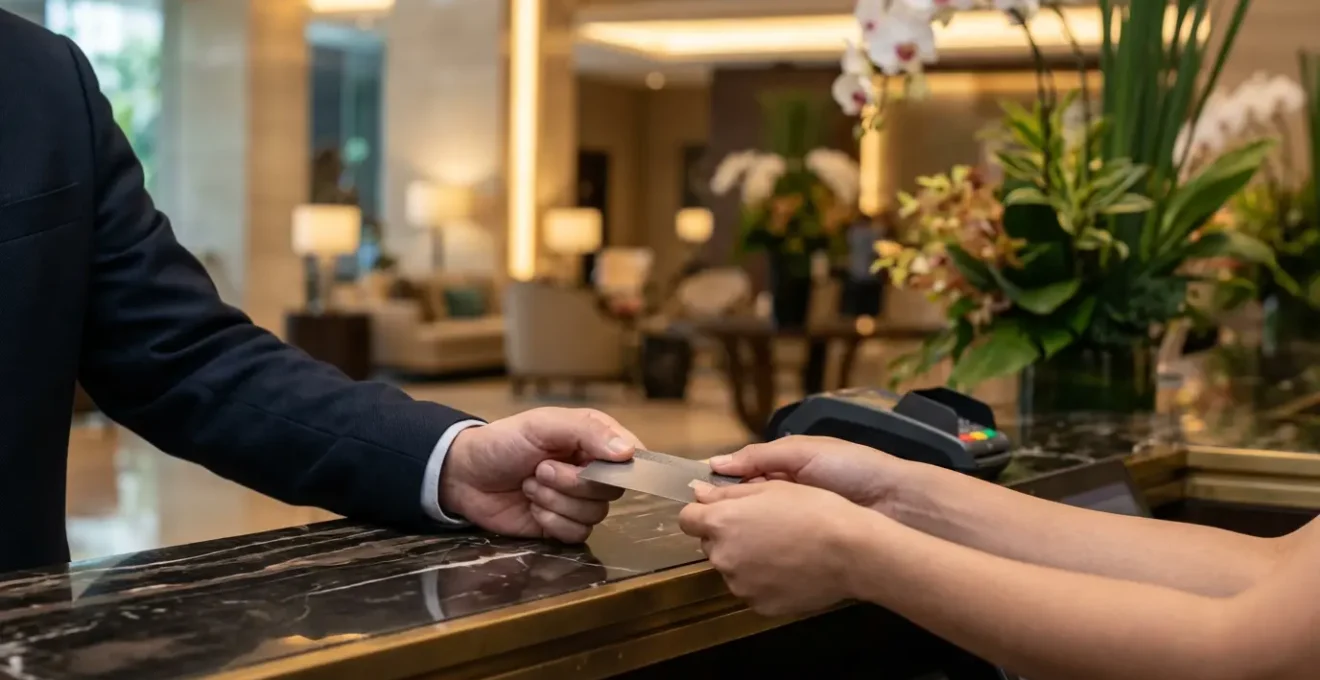
For the sophisticated traveler, navigating this is a matter of strategy. The most effective way to minimize or even waive this requirement is through brand loyalty. Holding elite status within a major hotel group (e.g., Hilton Honors Diamond, Marriott Bonvoy Ambassador) often signals to the hotel that you are a known, reliable entity, and the deposit may be reduced or eliminated as a courtesy. For independent or boutique stays, a polite inquiry about the policy in advance and a confirmation of your booking with a premium credit card can smooth the process, transforming a potential point of friction into a swift formality.
The Risk of Staying in Luxury Hotels Located in Red-Light Districts
The concept of a hotel as a sanctuary takes on its most literal meaning when considering physical security. Manila is a city of stark contrasts, where glittering five-star towers can stand adjacent to or within districts known for their vibrant, and sometimes volatile, nightlife. While hotels in areas like Poblacion in Makati or Ermita in Manila offer proximity to a dynamic bar and restaurant scene, they also place the burden of creating a secure “bubble” squarely on the hotel’s operational shoulders. The choice between a chain and a boutique property in these contexts is not merely aesthetic, but a critical decision about security philosophy.
International chains operate with a significant advantage: systematized, globally mandated security protocols. Their approach is often visible and comprehensive—from bag scanners and metal detectors at the entrance to a constant, uniformed security presence and extensive CCTV networks. This methodology is designed to be a clear deterrent, providing a predictable and robust layer of insulation from the unpredictability of the street. It is a security posture born of corporate risk management, and for many travelers, its predictability is deeply reassuring.
Boutique heritage hotels, by contrast, often favor a more discreet approach. Their security is integrated into the fabric of their service—relying on a well-trained staff’s ability to recognize guests, a more controlled and limited number of access points, and a general ethos of quiet vigilance. While potentially less overt, the effectiveness of this style is highly dependent on the specific property’s management and investment. The choice, therefore, becomes one of personal risk tolerance and preference: the visible fortress of a global chain or the subtle, curated security of a high-end boutique.
| Security Feature | International Chains | Boutique Heritage Hotels |
|---|---|---|
| 24/7 Security Presence | Standard globally-mandated protocols | Variable, property-dependent |
| Private Transportation | Vetted car services always available | May require advance booking |
| Entrance Security | Metal detectors, bag checks standard | Often more discreet approach |
| CCTV Coverage | Comprehensive, monitored 24/7 | Present but coverage varies |
When to Book a “Staycation” Package for the Best Weekend Rate?
For the resident or frequent visitor to Manila, the “staycation” is a cherished ritual—a weekend retreat into the curated sanctuary of a luxury hotel without the hassle of a flight. Hotels, aware of this lucrative local market, craft special packages that bundle rooms with dining credits, spa treatments, and late check-outs. However, securing the best value requires a strategic understanding of Manila’s unique commercial and climatic rhythms. Booking at the right moment can yield discounts of 30-40% or more, transforming an expensive indulgence into a surprisingly shrewd one.
The most significant factor influencing rates is the monsoon. The rainy season, running roughly from June to October, is the low season for international tourism, prompting hotels to aggressively court the local market with compelling offers. This is the prime hunting ground for staycation deals. Beyond the weather, timing your booking around Philippine commercial cycles is key. Many hotels release flash sales or special offers timed with the national payday cycles, typically around the 15th and 30th of each month. Subscribing to hotel newsletters is the most direct way to capture these fleeting opportunities.
Finally, the savvy traveler should look to the “shoulder holidays”—the periods just before or after a major national holiday. While the long weekends themselves are peak-priced, the week leading up to Holy Week or the week after New Year’s can see a lull in occupancy, creating a window for excellent rates. The key is to always compare the package’s total value against a room-only rate to ensure the bundled “perks” are not simply masking an inflated price.
Checklist: Timing Your Staycation Booking
- Monitor hotel newsletters for flash sales targeting the 15th and 30th of the month (payday cycles).
- Book during the rainy season (June-October) to take advantage of discounts of 30-40% on standard rates.
- Target shoulder holiday periods, such as the week after the New Year or the week before Holy Week, for lower demand.
- Check for long weekend packages approximately 3-4 weeks before official Philippine public holidays.
- Always compare the total value of package inclusions (dining, spa) against the room-only rate to calculate the true discount.
Club Lounge Access: Is It Worth the Extra Cost for Business Travelers?
Within the sanctuary of the luxury hotel, there exists an even more exclusive inner sanctum: the Club Lounge. For a significant premium, guests are granted access to a private space offering complimentary breakfast, all-day refreshments, and evening cocktails. For the business traveler, the question is stark: is this a valuable tool for productivity and networking, or an overpriced indulgence? The answer in Manila hinges less on the tangible offerings and more on the quality of the intangible: service and atmosphere.
The physical space itself is a given. A property like the Grand Hyatt Manila offers Grand Club rooms with premium materials and expansive city views, setting a high bar for the expected level of finish. The club lounge is an extension of this, a quiet, well-appointed environment conducive to work. However, the true value proposition is the human element. The staff in a great club lounge function as super-concierges, anticipating needs, facilitating last-minute meeting arrangements, and providing a level of personalized recognition that is simply not possible in the main hotel lobby. As one traveler noted of a top Manila hotel’s staff:
it’s the warmth, professionalism, and unmatched service provided by these three remarkable individuals that truly define luxury
– TripAdvisor Business Traveler Review, TripAdvisor Metro Manila 5-Star Hotels
This is where the investment pays dividends. The club lounge provides a frictionless environment where the logistics of a business trip—printing documents, booking a car, finding a quiet place for a call—disappear. It’s a managed ecosystem of productivity. For the traveler whose time is their most valuable asset, the cost of entry is often easily justified by the efficiency gained. It transforms the hotel from a place to sleep into an operational headquarters.

How to Secure a Reservation at Amanpulo Without Booking a Year Ahead?
If the urban hotel is a sanctuary, Amanpulo is a hermitage. This private island resort represents the apex of luxury in the Philippines—a destination so exclusive that securing a reservation is often considered a feat in itself. The common wisdom is that one must book a year or more in advance, especially for peak seasons. While this is often true for direct bookings, the sophisticated traveler knows that there are alternative channels and strategies to access this paradise on shorter notice.
The primary key to unlocking last-minute availability is leveraging the power of elite travel networks. High-end consortia and top-tier travel agencies often have block-booked rooms or special allocations that are not visible to the public. They maintain deep relationships with the resort’s management and are the first to be notified of cancellations. Approaching a well-connected travel advisor is the single most effective strategy for bypassing the public waiting list. Their access to this “hidden inventory” is their primary value proposition.
Another strategy involves flexibility and leveraging the broader luxury hotel ecosystem. The shoulder seasons—late May to early June and again in November—offer a higher probability of finding openings as the weather transitions. Furthermore, establishing a relationship with a hotel’s sister properties can be beneficial. Luxury hotel groups prioritize their loyal guests, and management at a city property may be able to leverage their internal network to facilitate a booking at a highly sought-after resort property like Amanpulo for a valued client. This transforms your patronage from a single transaction into a relationship that the brand is motivated to cultivate.
Tipping Etiquette: When to Tip Like an American and When to Hold Back?
Nothing disrupts the feeling of a seamless luxury experience more than the awkward moment of transactional uncertainty. Tipping is one such moment, a cultural minefield where a well-intentioned gesture can be perceived as either generous or condescending. In the Philippines, the etiquette is nuanced, blending Asian customs with a strong influence from American service culture. Knowing when to tip, and how much, is a mark of a seasoned and respectful traveler.
The first rule is to always check the bill. As the Small Luxury Hotels of the World guide to the Philippines notes, “A service charge is usually included in your bill, if not a 10% tip is polite, but not expected.” This 10-12% service charge, common in hotels and upscale restaurants, is legally distributed among all staff. Therefore, any additional tip is genuinely a “gratuity”—a direct reward for exceptional, personalized service, not a substitute for wages. Holding back when a service charge is already included is not impolite; it is the standard practice.
However, for specific personal services not covered by a bill, a cash tip is both appropriate and appreciated. This is where the “American” style of tipping for direct service comes into play, albeit with local context and amounts. A tip for a bellhop who has managed a mountain of luggage, or a concierge who has secured an impossible reservation, is a necessary acknowledgment of their effort. The key is to be discreet and to use the local currency. The following guidelines provide a baseline for navigating these interactions with grace.
| Service Type | Standard Tip (with service charge) | Generous Tip (exceptional service) |
|---|---|---|
| Bellhop | 20-50 PHP per bag | 100 PHP per bag |
| Housekeeping | 50-100 PHP per day | 200 PHP per day |
| Concierge (special request) | 100-200 PHP | 500+ PHP for complex arrangements |
| Restaurant (10% SC included) | 50-100 PHP additional | 5-10% additional |
| Private Driver | 10% of fare | 15-20% for exceptional service |
Key Takeaways
- True luxury in Manila is a “sanctuary” from urban friction, defined by insulation and security, not just opulent decor.
- The archipelago geography of the Philippines creates significant logistical challenges that, along with high land values in prime districts like Makati, drive up the operational costs of luxury hospitality.
- The best experience often comes from blending the predictable security of chains with the personalized service found in top-tier boutiques or exclusive club lounges.
Why Do Luxury Resorts in the Philippines Cost More Than in Thailand?
The final, overarching question for any seasoned traveler in Southeast Asia is one of value. Why does a top-tier luxury resort in the Philippines often command a higher price than a comparable property in Thailand, a more mature luxury market? The answer is a complex interplay of geography, logistics, and labor that defines the cost of creating a world-class sanctuary in an archipelago of over 7,000 islands.
First is the fundamental challenge of logistics. While Thailand has a consolidated mainland infrastructure, the Philippines is defined by its island nature. Everything from premium construction materials and imported gourmet foods to specialized technical staff must be transported by sea or air, adding significant cost and complexity at every step of the supply chain. A prime urban location also carries a hefty premium. As a case study from an analysis of Manila’s luxury market shows, hotels like The Peninsula or Raffles are situated in the heart of the Makati financial district, where land value is among the highest in the nation. This “archipelago effect” and real estate reality form the base cost before a single guest even checks in.
Furthermore, while labor costs may be generally lower, the investment in training staff to the exacting standards of international luxury is immense. The renowned warmth of Filipino hospitality is a raw ingredient; refining it into the polished, anticipatory service expected at a five-star level requires continuous, expensive training programs. The price variance in the market is vast, with Manila luxury hotels showing wide price variance from a modest base to rates rivaling global capitals. Ultimately, the higher cost reflects the greater investment required to build and maintain a seamless, high-quality luxury “bubble” in a geographically and logistically challenging, albeit beautiful, environment.
Ultimately, the choice between a chain hotel’s predictable comfort and a heritage boutique’s unique character is not about which is objectively “better,” but which is better for you. The most discerning traveler will look past the branding and amenities list to evaluate a hotel on its ability to deliver a truly soulful and frictionless experience. Apply this critical framework, ask the right questions, and you will find your perfect sanctuary in the heart of Manila.
Frequently Asked Questions About Luxury Resort Bookings
What’s the best way to access exclusive resort inventory?
Elite travel agencies often have allocated rooms at luxury properties that aren’t available to the public, particularly for properties in exclusive destinations like private islands in the Philippines.
When is the shoulder season for Philippine luxury resorts?
The tropical climate brings warmth, sunshine and showers to the Philippines. While many flock here for the sandy white beaches, the shoulder seasons of late May/early June and November offer better availability and often more pleasant conditions.
Can sister properties help with last-minute bookings?
Luxury hotel groups often facilitate transfers between their properties, leveraging internal networks to accommodate valued guests even during peak periods. Building a relationship with one property can open doors at others.