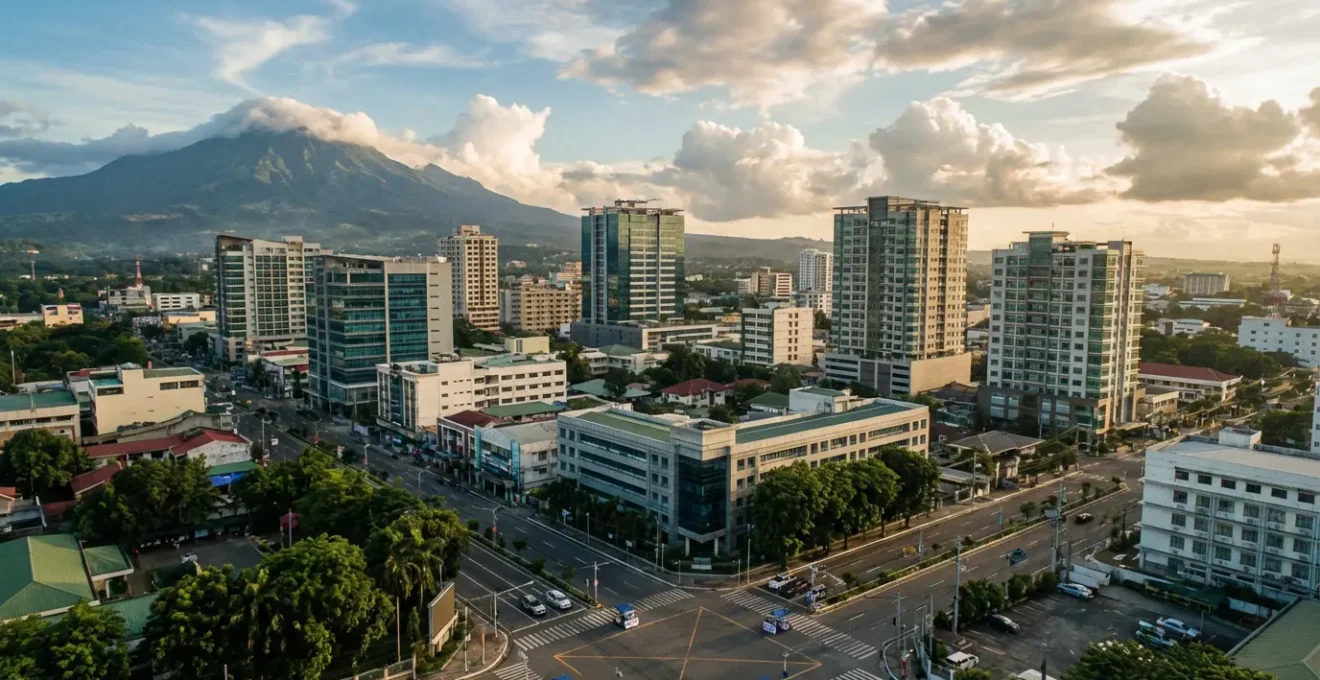
While Davao City’s safety is statistically proven, it is not a magical anomaly but the result of a specific, state-enforced security model that defines the travel experience.
- Its high safety score contrasts sharply with official “no-go” zones like the Sulu Archipelago, proving Mindanao is not a monolith.
- Popular destinations like Siargao operate on a different, community-driven safety model, feeling worlds away from the rest of the island.
Recommendation: Ditch blanket assumptions and use a granular, destination-specific risk assessment to explore the region’s diverse offerings safely.
The island of Mindanao presents a paradox for travelers. On one hand, you hear the statistics: Davao City is frequently lauded as one of the safest urban centers in the Philippines, a clean, orderly metropolis. On the other, international travel advisories often paint the entire region with a broad, cautionary brush, citing risks and past conflicts. This leaves the discerning traveler caught between intriguing data and alarming headlines. Are the fears overblown? Or is the safety of Davao an isolated bubble in a volatile region?
The common discourse often falls into simplistic traps. Some attribute Davao’s security to the “iron-fist” legacy of its former mayor, while others dismiss the entire island as too risky. The truth, as is often the case, is far more nuanced. The key to understanding safety in Mindanao is to stop viewing it as a single entity. Instead, it should be seen as a spectrum of destinations, each operating under its own distinct “security model” that directly shapes the visitor experience. There is a tangible difference between the state-enforced order of Davao, the community-driven tourism ecosystem of Siargao, and the genuine, high-risk realities of the archipelago’s southernmost fringes.
This article moves beyond the stereotypes to provide a factual, data-driven framework for your travel decisions. We will deconstruct the different safety profiles you’ll encounter, analyze the data behind the reputation, and offer practical guidance for each type of destination. By understanding the “why” behind the safety ratings, you can move from a position of apprehension to one of informed confidence, ready to explore the immense beauty the southern Philippines has to offer.
To help you navigate this complex but rewarding region, this guide breaks down the key questions and comparisons. We will explore the unique safety dynamics of different locations, provide practical tips for specific activities, and help you decide which part of the Philippines best suits your travel style.
Summary: Is Davao City Really the Safest City in the Philippines?
- Why Is Siargao Technically in Mindanao but Feels Like a Different World?
- How to prepare for the summit of the highest peak in the country?
- The Smell Test: How to Pick a Good Durian in Davao Markets?
- Eden Nature Park vs. Philippine Eagle Center: Which is Better for Kids?
- Luzon, Visayas, or Mindanao: Which Region Should You Prioritize for a First Trip?
- When to Visit Mindanao to Catch the Lanzones and Durian Season?
- Tagalog vs. Bisaya: How to Adjust Your Language Expectations in Cebu?
- Tawi-Tawi: Is It Safe for Tourists to Visit the Southernmost Province?
Why Is Siargao Technically in Mindanao but Feels Like a Different World?
Siargao, the teardrop-shaped island famous for its world-class surf breaks, is administratively part of Mindanao. Yet, for most visitors, it feels like a separate country. The atmosphere is relaxed, international, and largely detached from the security concerns associated with the mainland. This stark difference is not an accident; it is the result of a completely different security model compared to Davao City. While Davao’s safety is built on a highly visible, state-enforced police and military presence, Siargao’s security is community-driven and economically intertwined with its surf tourism ecosystem.
The island’s economy is a monoculture centered on tourism. This creates a powerful incentive for the local community to maintain a safe and welcoming environment. The island’s international branding has been so successful that it has effectively broken free from the Mindanao stereotype, attracting a massive influx of visitors. In fact, recent tourism data shows 35,308 foreign tourists and over 77,000 domestic travelers visited in the first quarter of 2024 alone. This success highlights a key lesson: traveler perception, backed by a strong local commitment to safety, can create secure tourism bubbles even in complex regions.
This contrasts directly with the rationale behind Davao’s security. As one travel safety guide explains, the situation in Davao is a strategic response to its regional context. According to World Nomads Travel Safety:
Davao’s low crime rate is because the city is crawling with police and soldiers. That extreme security presence is necessary because of the dangers elsewhere on the island.
– World Nomads Travel Safety, World Nomads Philippines Safety Guide
The following table, based on an analysis from The World Travel Index, breaks down the fundamental differences between these two safety models.
| Aspect | Siargao | Davao City |
|---|---|---|
| Safety Score | 70/100 | 80.73/100 |
| Security Model | Community-driven, surf tourism ecosystem | State-enforced, heavy police presence |
| Primary Economy | Tourism monoculture (surfing) | Diversified (commerce, agriculture, services) |
| Tourist Perception | Free and relaxed despite Mindanao location | Safe but controlled environment |
| International Branding | Successfully detached from Mindanao stereotype | Actively confronting and redefining regional image |
How to Prepare for the Summit of the Highest Peak in the Country?
Mount Apo, the highest peak in the Philippines, stands as a majestic challenge for serious hikers. Located on the border of Davao del Sur and Cotabato, reaching its summit is a rewarding adventure that requires meticulous planning and a deep respect for both nature and local regulations. The trek is not a simple day hike; it is a multi-day expedition through diverse and demanding ecosystems, from dense mossy forests to the stark, volcanic landscape of the final ascent. Physical fitness is non-negotiable, as climbers must be prepared for 2-4 days of trekking at significant altitude.
The security and safety protocol for climbing Mount Apo is stringent and enforced by the Department of Environment and Natural Resources (DENR). This is not an adventure you can undertake spontaneously. Booking permits weeks in advance is a mandatory first step, as is the hiring of registered local guides. These guides are not just for navigation; they are crucial for safety, providing expertise on trail conditions, weather patterns, and the unique hazards of the volcanic terrain, such as sulfur vents near the summit.
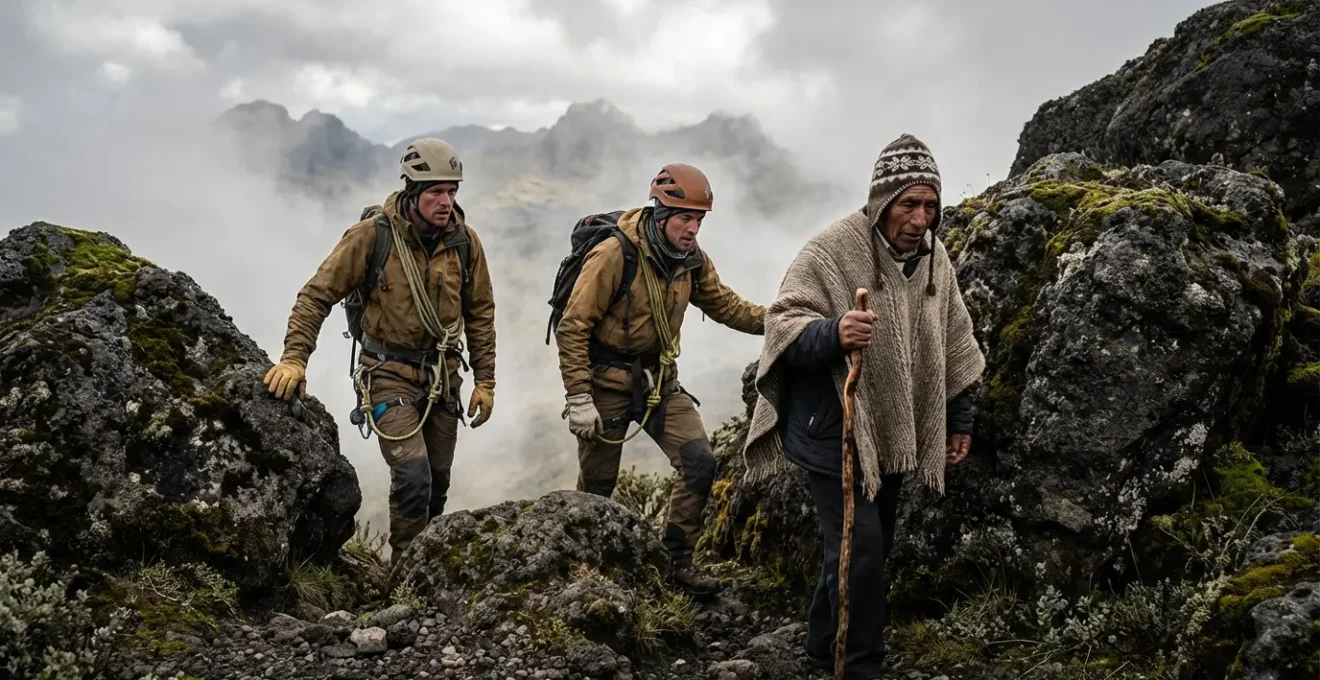
As the image shows, sections like the “Boulder Face” require careful navigation and a steady footing. The weather can also change dramatically, with significant temperature variations between the tropical base and the cold, windy summit. Proper layering of clothing is essential. Choosing the right time to climb is equally critical; the best climbing season is from February to May, during the dry season, to avoid the treacherous conditions of the rainy months.
Your Action Plan: Mount Apo Summit Preparation
- Permit Acquisition: Book all necessary permits weeks in advance through the official local DENR office to secure your slot.
- Guide Registration: Hire only registered and accredited guides; this is a mandatory requirement for all climbers for safety and support.
- Fitness Assessment: Train for a 2-4 day trek at altitude, focusing on cardiovascular endurance and leg strength.
- Seasonal Timing: Plan your climb during the optimal season (February-May) to avoid dangerous rainy conditions and slippery trails.
- Gear Preparation: Pack for extreme temperature variations and diverse ecosystems, including rainforests, volcanic terrain, and sulfur fields.
The Smell Test: How to Pick a Good Durian in Davao Markets?
Davao City is proudly known as the “Durian Capital of the Philippines,” and no visit is complete without braving this pungent, spiky, and famously divisive fruit. For a first-timer, navigating a local market like Bankerohan or Magsaysay Park can be intimidating. However, this is where the most authentic experience lies. These markets are not just places of commerce; they are classrooms where expert vendors are often happy to teach the traditional methods of selecting the perfect durian.
The most crucial skill is the “smell test.” A good durian should have a strong but not foul aroma. An overly pungent or sour smell can indicate that the fruit is overripe. Conversely, a weak scent suggests it was picked too early. Don’t be shy; pick up the fruit and smell it near the stem. Another key technique is to lightly shake the fruit. If you hear a slight rattling, it means the flesh is beginning to pull away from the husk, a sign of ripeness. If you hear a hollow, sloshing sound, it’s likely overripe and watery. The final check is the stalk: it should be firm and relatively moist. A dry, shriveled stalk means the fruit is old.
The local markets offer a chance to try heirloom varieties you won’t find elsewhere. As noted in a travel guide to the city, the experience is about more than just the fruit itself. A case study from a visit to Bankerohan Market highlights how vendors provide a complete cultural experience:
Case Study: Durian Selection at Bankerohan Market
Davao City’s markets, such as Bankerohan and Magsaysay Park, serve as hubs for the country’s durian culture. Here, vendors not only sell the fruit but also educate visitors on proper selection techniques. They showcase local heirloom varieties like Puyat (known for being creamier and less pungent, making it ideal for beginners) and Arancillo. These experts demonstrate the traditional smell test and ensure fair pricing, turning a simple purchase into an engaging and trustworthy cultural exchange.
For a first-timer, the Puyat variety is often the recommended starting point. It offers the signature creamy texture and complex flavor of a great durian but with a less overwhelming aroma, providing a gentler introduction to this iconic Southeast Asian delicacy.
Eden Nature Park vs. Philippine Eagle Center: Which is Better for Kids?
When traveling with children in Davao, two destinations consistently top the list: Eden Nature Park and the Philippine Eagle Center. While both offer fantastic experiences, they cater to different age groups and energy levels, making the choice dependent on your family’s needs. A careful comparison of their features, particularly regarding safety and accessibility, is crucial for a smooth family outing.
Eden Nature Park is a sprawling mountain resort that functions like a giant, manicured playground. With its vast open spaces, fishing village, deer park, and playgrounds, it is ideal for younger children (ages 3-10) who need space to run and engage in active play. The park’s infrastructure is a major plus for families; stroller accessibility is excellent due to paved paths throughout the main areas, and the availability of an on-site medical station provides peace of mind. Abundant shade from its forested landscape also helps protect little ones from the tropical sun.
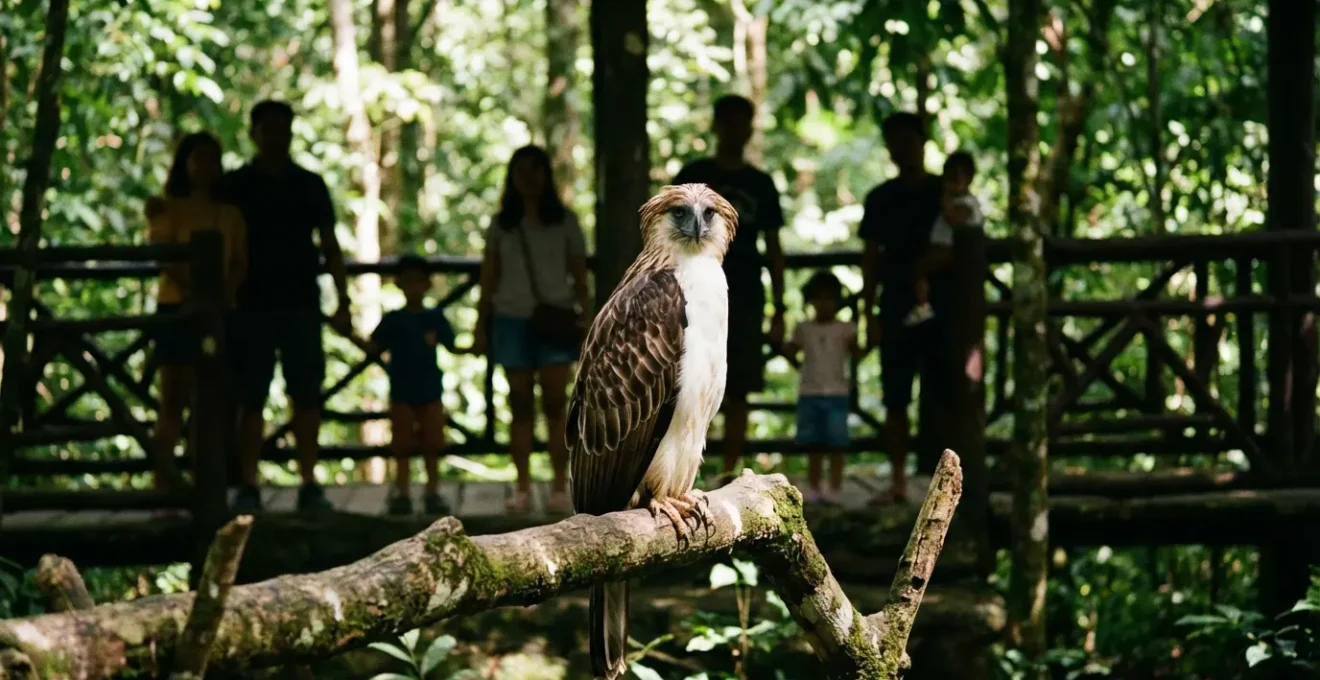
The Philippine Eagle Center, on the other hand, offers a more focused, educational experience. As a conservation and breeding facility for the critically endangered national bird, its primary goal is education. This makes it better suited for slightly older children (ages 8 and up) who have the patience and interest to learn about wildlife conservation. While some trails are unpaved, the main viewing areas are accessible. The eagle enclosures, as seen in the image, are designed for safe observation from a distance, balancing wildlife welfare with visitor access. The experience is awe-inspiring but less interactive than Eden Park.
This family safety comparison from a local travel guide offers a clear breakdown to help you decide.
| Safety Metric | Eden Nature Park | Philippine Eagle Center |
|---|---|---|
| Stroller Accessibility | Excellent – paved paths throughout | Good – some unpaved trails |
| First Aid Facilities | On-site medical station | Basic first aid available |
| Shade Availability | Abundant – forested areas | Moderate – mix of covered/open areas |
| Best Age Group | 3-10 years (active play) | 8+ years (educational focus) |
| Travel Time from City | 45-60 minutes | 30-45 minutes |
| Road Conditions | Well-maintained but winding | Good paved roads |
Luzon, Visayas, or Mindanao: Which Region Should You Prioritize for a First Trip?
For a first-time visitor to the Philippines, choosing where to go can be overwhelming. The country’s three main island groups—Luzon, Visayas, and Mindanao—each offer vastly different experiences, landscapes, and risk profiles. The best choice depends entirely on your travel style and comfort level with adventure.
Luzon, home to the sprawling metropolis of Manila and the stunning rice terraces of the north, is the typical starting point. It’s the hub for urban explorers, but also comes with the challenges of a megacity: chaotic traffic, urban scams, and a constant need for vigilance against pickpocketing. Visayas is the heart of the country’s beach scene, with world-famous destinations like Boracay and Cebu. It’s perfect for beach hoppers and island lovers, though the primary concerns here relate to over-tourism in popular spots and ensuring maritime safety when traveling by ferry.
Mindanao has traditionally been viewed as the final frontier, best for “adventurous pioneers.” The perception of risk has kept many away, yet this is changing, largely thanks to Davao City’s role as a secure gateway. As a World Nomads guide states, “Davao, in the island’s southeast, is widely considered one of the safest cities in the Philippines. Tourists are less likely to face trouble here than in many other metropolises in the Philippines.” The city has successfully created a bubble of security, boasting an impressive 80.73% safety score due to its comprehensive Central 911 emergency system, 24/7 CCTV monitoring, and a community-driven “Culture of Security” program. This makes it an ideal, low-risk entry point for travelers curious about the region’s unique culture and natural wonders.
Official travel advisories often differentiate between the high-risk western parts of Mindanao and the generally safe eastern areas like Davao. This table, drawing from U.S. State Department guidance, provides a simplified risk overview.
| Region | Primary Risks | Safety Level | Best For |
|---|---|---|---|
| Luzon (Manila) | Traffic chaos, urban scams, pickpocketing | Exercise Normal Precautions | Urban explorers |
| Visayas (Cebu/Boracay) | Over-tourism, maritime safety concerns | Exercise Normal Precautions | Beach hoppers |
| Mindanao (Davao hub) | Regional advisories (but Davao excluded) | Davao: Normal Precautions | Adventurous pioneers |
When to Visit Mindanao to Catch the Lanzones and Durian Season?
Timing is everything when planning a trip to Mindanao, especially if your goal is to indulge in its legendary fruit season. The peak season for tropical delights like durian, lanzones, marang, and mangosteen runs from August to October. This period culminates in Davao’s vibrant Kadayawan Festival, a massive celebration of the harvest held every August. However, this is also the heart of the Philippines’ typhoon season, which can be a major concern for travelers.
This is where Davao’s unique geography provides a significant advantage. The city and its surrounding region are located outside the main typhoon belt that affects much of Luzon and the Visayas. As a result, its prime fruit season enjoys remarkably stable weather. In fact, meteorological data confirms that the August-October fruit season coincides with some of the lowest rainfall months in Davao, offering a rare combination of agricultural abundance and favorable weather. This makes it an exceptionally reliable destination for a late summer or early autumn trip.
If you plan to visit during the Kadayawan Festival in August, be prepared for enormous crowds. While the festival is a spectacular display of culture, it requires extra vigilance. The sheer number of attendees puts a strain on infrastructure and increases the risk of petty crime like pickpocketing. To ensure a safe and enjoyable festival experience, consider the following precautions:
- Book Accommodation Early: Hotels fill up months in advance, so secure your booking as soon as possible.
- Secure Valuables: Use money belts or anti-theft bags, especially in crowded parade areas and markets.
- Stay in Groups: Navigating packed festival venues is safer and easier with friends.
- Use Offline Maps: Mobile networks often become congested, making online navigation unreliable.
- Identify Exits: When at a festival location, take a moment to note the nearest emergency exits.
By aligning your visit with the fruit season and taking sensible precautions during peak events, you can experience Mindanao at its most flavorful and festive.
Tagalog vs. Bisaya: How to Adjust Your Language Expectations in Cebu?
While this article focuses on Mindanao, many travelers will transit through or visit hubs in the Visayas, like Cebu. A common mistake first-time visitors make is assuming Tagalog (the basis of Filipino, the national language) is spoken everywhere. While it is widely understood, the heart of the central and southern Philippines beats to the rhythm of Bisaya (or Cebuano). Adjusting your language expectations is not just a matter of courtesy; it’s a practical step that enhances both your safety and your travel experience.
In places like Cebu and Davao, attempting to use even a few basic Bisaya phrases signals respect and an effort to connect with the local culture. This can immediately build trust with vendors, drivers, and guides, making you less likely to be perceived as a naive tourist and thus less of a target for overcharging or scams. A simple “Salamat kaayo” (Thank you very much) instead of the Tagalog “Salamat” goes a long way. This linguistic shift shows that you have done your homework and are not just passing through.
From a safety perspective, knowing a few key phrases can be invaluable. Being able to ask for directions (“Asa ang…?”) or, in an emergency, call for help (“Tabang!”) in the local dialect can make a critical difference. It bridges a communication gap that could otherwise lead to confusion or vulnerability. Here are some essential Bisaya phrases that are useful for any traveler in the southern Philippines:
- Amping – “Take care.” A common and warm greeting or farewell that shows goodwill.
- Palihug – “Please.” Using this demonstrates respect and politeness in any transaction.
- Asa ang…? – “Where is the…?” Essential for navigation and finding help.
- Tabang! – “Help!” The universal word for emergencies.
- Pila ni? – “How much?” A crucial phrase to use in markets and with tricycle drivers to prevent being overcharged.
- Salamat kaayo – “Thank you very much.” A more heartfelt way to express gratitude.
Making this small linguistic effort is a powerful tool. It enriches your interactions, fosters goodwill, and adds a layer of practical safety to your journey through the beautiful southern regions of the country.
Key Takeaways
- Davao’s safety is statistically high and built on a visible, state-enforced security model.
- Mindanao is not a monolith; risk levels vary dramatically between destinations like the tourist-friendly Siargao and high-risk areas like the Sulu Archipelago.
- Informed travel requires assessing each destination’s unique safety profile rather than relying on broad, outdated regional stereotypes.
Tawi-Tawi: Is It Safe for Tourists to Visit the Southernmost Province?
While this guide highlights safe and accessible parts of Mindanao, it is equally critical to address the areas where significant, undeniable risks exist. The province of Tawi-Tawi, part of the Sulu Archipelago at the Philippines’ southernmost tip, falls squarely into this category. Despite its stunning natural beauty and unique culture, the region faces serious security threats that make it unsuitable for general tourism.
It is essential to distinguish between the managed security of Davao and the high-risk environment of the Sulu Archipelago. Official government warnings are not just bureaucratic formalities; they are based on credible intelligence regarding threats of terrorism, kidnapping, and civil unrest. For instance, the current US government travel warnings indicate a “Level 4: Do Not Travel” advisory for the Sulu Archipelago, including Tawi-Tawi. This is the highest warning level, reserved for areas with the greatest likelihood of life-threatening risks.
This advisory is not an overreaction. It reflects the limited capacity of even government bodies to ensure the safety of their citizens in the region. The security situation is complex, with ongoing threats from extremist groups. As the U.S. Department of State explicitly warns, the ability to provide assistance in an emergency is severely compromised. In their 2024 Philippines Travel Advisory, they state:
U.S. government employees working in the Philippines must obtain special authorization to travel to Sulu Archipelago and Sulu Sea. The U.S. government has limited ability to provide emergency services to U.S. citizens there.
– US Department of State, Philippines Travel Advisory 2024
For travelers, this means that in a crisis, help may not be available. While a handful of specialized tour operators may offer trips to the area under heavy security, this is not a destination for independent or casual travel. The risk profile is fundamentally different from that of Davao or even more remote, but community-policed, tourist spots. For the vast majority of visitors, heeding official advisories and choosing safer alternatives in Mindanao is the only responsible course of action.
Now, armed with a more nuanced understanding of regional security, the next step is to plan your Philippine itinerary by evaluating each potential destination on its own merits, not on outdated stereotypes.
Frequently Asked Questions about Is Davao City Really the Safest City in the Philippines?
How can I avoid being scammed when buying durian?
Look for vendors with visible pricing, check weighing scales for tampering, and learn basic Bisaya phrases like ‘Palihug’ (please) to build trust with sellers.
What’s the safest way to eat durian as a tourist?
Choose stalls with high turnover for freshness, opt for pre-packaged portions if unsure about hygiene, and avoid eating in hotel rooms to prevent fines from the strong smell.
Which durian variety is best for first-timers?
The Puyat variety is recommended for beginners – it’s creamier and less pungent than other varieties while still offering the authentic durian experience.