Travel to the Philippines
The Philippines presents a unique challenge for travelers: how do you explore a nation scattered across more than 7,600 tropical islands? Unlike compact destinations where a single base suffices, this Southeast Asian archipelago demands thoughtful planning to connect pristine beaches, volcanic peaks, vibrant cities, and remote villages spread across three distinct geographical zones. The reward for mastering this complexity is access to one of the world’s most biodiverse and culturally rich destinations, where each island group offers dramatically different experiences.
Whether you’re planning your first visit or refining a multi-week itinerary, understanding the fundamentals—from visa prerequisites and climate variations to inter-island transportation and regional cultural differences—transforms an overwhelming prospect into a manageable adventure. This comprehensive resource breaks down the essential knowledge areas every Philippines traveler must navigate, providing the foundation you need to design a journey that matches your interests, timeline, and comfort level.
Understanding the Philippine Archipelago: Geography and Island-Hopping Logistics
The sheer scale of the Philippines catches many first-time visitors off guard. Stretching roughly 1,850 kilometers from north to south, the archipelago spans a distance comparable to the length of Great Britain to southern Italy. Only about 2,000 islands are inhabited, and fewer than 500 exceed one square kilometer in size, but this still leaves an overwhelming number of potential destinations.
The Three Major Island Groups
Filipino geography is traditionally divided into three regions: Luzon in the north (home to the capital Manila), the central Visayas, and Mindanao in the south. Each cluster has distinct landscapes, cultural traditions, and infrastructure levels. Luzon contains the country’s political and economic center, the Visayas boast renowned beach destinations like Boracay and Cebu, while Mindanao offers less-touristed volcanic terrain and unique agricultural landscapes. Understanding these divisions helps you structure a logical route rather than zigzagging inefficiently across the archipelago.
Inter-Island Transportation Realities
Domestic flights connect major hubs like Manila, Cebu, Davao, and Palawan, but reaching smaller islands requires ferries, bangka boats, or chartered vessels. Flight schedules can be surprisingly limited—some routes operate only twice weekly—making advance booking essential during peak seasons. Budget an extra day between island transitions as weather delays, particularly during typhoon season, frequently disrupt maritime schedules. This logistical buffer prevents the domino effect of missed connections that can unravel carefully timed itineraries.
Hidden Gems Beyond Tourist Trails
While destinations like Palawan and Siargao dominate travel blogs, islands like Siquijor, Camiguin, and Batanes offer equally stunning landscapes with fewer crowds. These under-the-radar locations often require more complex travel arrangements—longer ferry rides, less frequent flights, limited ATM access—but reward adventurous travelers with authentic interactions and unspoiled natural beauty. Balancing one or two lesser-known islands with established destinations creates a richer, more varied experience.
Timing Your Visit: Climate, Seasons, and Weather Considerations
The Philippines experiences a tropical climate, but dismissing it simply as “hot and humid year-round” oversimplifies significant regional and seasonal variations that profoundly impact travel comfort and activity options.
The Dry Season Versus Wet Season Framework
Most of the country follows a pattern with a dry season from November to April and a wet season from May to October. However, this generalization breaks down at the regional level. Eastern Mindanao and parts of the Visayas receive rain fairly evenly throughout the year, while western regions experience pronounced dry spells. Palawan’s best weather often extends into May, while Siargao’s surf season peaks during the wetter months when swells are strongest. Researching your specific destinations’ microclimates prevents unpleasant surprises.
Typhoon Season and Risk Management
The Philippines sits in one of the world’s most active typhoon zones, with an average of 20 tropical cyclones entering the area annually, though most occur between June and November. Northern Luzon and the eastern Visayas face the highest risk. While catastrophic storms are relatively rare in any single location during a short visit, typhoons can strand travelers, cancel flights, and close tourist sites for days. Travel insurance covering weather-related disruptions becomes essential rather than optional during these months.
Packing for Humidity and Sun Intensity
Humidity routinely exceeds 80 percent, meaning clothes rarely dry completely and lightweight, quick-drying fabrics become necessities rather than preferences. The tropical sun at these latitudes burns exposed skin remarkably quickly—even on overcast days. Reef-safe, high-SPF sunscreen, wide-brimmed hats, and lightweight long-sleeved sun protection should be priorities in your luggage, particularly if you plan island-hopping boat trips with limited shade.
Entry Requirements and Visa Essentials
Immigration procedures for the Philippines have been simplified in recent years, but understanding the prerequisites, timing requirements, and overstay penalties helps avoid stressful situations at arrival or departure.
Visa-Free Entry and Its Limitations
Citizens of most Western countries, many Asian nations, and select other regions receive 30 days visa-free entry upon arrival, provided they hold a passport valid for at least six months beyond their planned departure date and possess proof of onward travel (a return ticket or confirmed onward flight to another country). This generous policy suits short vacations, but the 30-day limit is strict—immigration officials may deny entry if your return flight is on day 31.
Extension Options for Longer Stays
Travelers wishing to stay beyond 30 days must obtain visa extensions through the Bureau of Immigration, either at the main office in Manila or satellite offices in major cities like Cebu and Davao. The process involves forms, fees (increasing incrementally for each extension period), and potential waiting times that vary by location and season. Budget at least a half-day for this administrative task and bring passport photos. Serial extensions are possible for up to a total of about three years, making the Philippines surprisingly accessible for long-term slow travelers.
Digital Entry Forms and Pre-Arrival Requirements
Travelers currently complete an electronic arrival card before departure, providing basic information about accommodations and travel plans. This digital system occasionally experiences technical issues, so completing it at least 72 hours before your flight—rather than in the airport departure lounge—prevents last-minute stress. Keep a screenshot or printout of your confirmation, as connectivity issues sometimes prevent pulling up digital records at immigration counters.
Manila: Your Gateway to the Philippines
Nearly all international visitors transit through Manila, and many dismiss the sprawling capital as merely a necessary connection point. While the city undeniably presents challenges—legendary traffic congestion, intense heat, and visible poverty—it also offers historical depth, vibrant neighborhoods, and cultural experiences unavailable elsewhere in the archipelago.
Navigating Urban Districts and Accommodation Zones
Manila is actually a collection of distinct cities forming Metro Manila. Makati serves as the modern business district with upscale malls and hotels; Bonifacio Global City (BGC) offers newer, more walkable infrastructure; Intramuros preserves Spanish colonial history behind ancient walls; and Quezon City contains residential neighborhoods and universities. Choosing accommodation based on your priorities—historical sightseeing versus nightlife versus convenient airport access—dramatically affects your experience and transit times across the congested metropolis.
The Traffic Reality and Timing Strategies
Manila regularly ranks among the world’s most congested cities. Rush hour transforms a 5-kilometer journey into a two-hour ordeal. Experienced visitors plan activities by zone, clustering all Makati errands together and all Intramuros exploration in a separate block, rather than crisscrossing the city multiple times daily. The elevated LRT and MRT train systems bypass road traffic but become uncomfortably crowded during commute hours and lack coverage to many tourist areas.
Safety Considerations and Urban Awareness
Manila requires the same urban awareness you’d apply in any large developing-world city. Petty theft targeting distracted tourists occurs, particularly in crowded markets and on public transportation. Wearing expensive jewelry, flashing high-end cameras carelessly, or using smartphones while walking in unfamiliar neighborhoods attracts unwanted attention. Grab (Southeast Asia’s equivalent to Uber) provides safer, more predictable transportation than random taxis, with fare transparency and GPS tracking that benefits both security and fare disputes.
The Three Island Groups: Luzon, Visayas, and Mindanao
The cultural, linguistic, and geographical diversity across the Philippines’ three main regions is often underestimated. What works in one area may be irrelevant or even counterproductive in another, making regional awareness essential for smooth travel.
Linguistic Landscapes and Communication
While Filipino (based on Tagalog) and English are official languages, over 180 languages and dialects are spoken across the archipelago. Tagalog dominates Luzon, Cebuano (Bisaya) prevails in the Visayas and parts of Mindanao, while Mindanao also includes numerous indigenous languages. English proficiency is generally strong in tourist areas and among younger, educated Filipinos, but drops significantly in rural regions. Learning basic pleasantries in the dominant regional language—even just “salamat” (thank you) in Tagalog or “salamat” in Cebuano (same word, different pronunciation)—earns goodwill.
Culinary Variations by Region
Filipino cuisine varies dramatically by island group. Luzon favors sour and salty profiles with dishes like sinigang (tamarind soup) and adobo (vinegar-braised meat). The Visayas are known for lechon (roast pig), particularly Cebu’s renowned version with crispy skin and herbed stuffing. Mindanao’s cuisine reflects Muslim influences in the south, with unique dishes like tiyula itum (black soup) and greater emphasis on grilled seafood. Adventurous eaters should budget extra sampling time when moving between regions.
Infrastructure and Budget Variations
Tourism infrastructure concentrates heavily in Luzon (particularly around Manila and northern beach areas) and the Visayas (Boracay, Cebu, Bohol). Mindanao, despite being the second-largest island, sees far fewer international tourists due to safety perceptions and less-developed tourist facilities. This translates to practical differences: ATMs become scarce outside cities, English-speaking guides are harder to find, and accommodation options thin out. Budget expectations should also shift—prices in Mindanao generally run 20-30% lower than equivalent services in touristy Visayas destinations.
Navigating Development Contrasts and Expectations
The Philippines occupies an unusual economic position as a developing nation with pockets of world-class infrastructure alongside areas lacking basic services. This inconsistency requires travelers to adjust expectations frequently, sometimes within a single day.
Infrastructure Variability and Planning Implications
You might encounter a gleaming mall with international brands and high-speed WiFi in the morning, then experience a power outage at your island resort that evening. Internet connectivity, while improving, remains unreliable outside major cities—video calls often fail, cloud services time out, and even messaging apps experience delays. Travelers dependent on consistent connectivity for work should research specific accommodations’ infrastructure rather than assuming availability based on the establishment’s star rating.
Banking, Cash, and Payment Systems
Credit cards are accepted at hotels, major restaurants, and malls in cities, but cash dominates everywhere else. ATMs cluster in urban centers but disappear on smaller islands, and those that exist frequently run out of cash during weekends or holidays. The safest strategy involves withdrawing larger amounts in cities (keeping most secure in your accommodation) rather than assuming you’ll find ATMs whenever needed. Many establishments cannot break large bills, so accumulating smaller denominations—100 and 200 peso notes—prevents awkward situations.
Service Culture and Interpersonal Dynamics
Filipino hospitality is genuine and often overwhelming to visitors accustomed to more reserved cultures. Strangers may strike up personal conversations, service staff go far beyond typical duties to help, and locals frequently offer unsolicited but well-intentioned advice. This warmth is a national treasure, though it can feel intrusive to travelers from cultures with stricter privacy boundaries. Understanding this friendliness as cultural rather than transactional prevents misinterpreting helpful gestures as precursors to scams.
Mindanao: Beyond the Stereotypes
Mindanao suffers from outdated safety perceptions that deter many travelers, yet large portions of the island—particularly the northern and eastern regions—are perfectly safe and offer some of the Philippines’ most remarkable experiences without the crowds found elsewhere.
Siargao has evolved from surfer secret to internationally recognized wave destination, with Cloud 9 break attracting board riders globally. Beyond surfing, the island offers island-hopping to pristine lagoons, mangrove paddle boarding, and a relaxed vibe distinct from party-focused beach towns. Davao City provides an orderly, clean urban experience with efficient public transportation and serves as the base for climbing Mount Apo, the Philippines’ highest peak at 2,954 meters, which requires two to three days and a registered guide.
Mindanao’s agricultural identity becomes most evident during harvest seasons. Davao is the durian capital, and while this polarizing fruit’s intense smell and custardy texture repel some, trying fresh durian at its source provides cultural insight unavailable through supermarket imports. Coffee plantations in the highlands, pineapple farms, and cacao-growing regions welcome visitors interested in agricultural tourism—a refreshing alternative to beach-and-ruins itineraries.
Visiting Mindanao does require checking current safety advisories for specific provinces, as certain areas in the far west and south remain subject to travel warnings. However, dismissing the entire island based on localized issues is equivalent to avoiding all of Europe because of unrest in one country—geographically illogical and experientially limiting.
The Philippines rewards travelers who invest time understanding its complexities rather than expecting a uniform experience. From mastering inter-island logistics and climate patterns to navigating visa requirements and regional cultural variations, each knowledge area builds confidence for exploring this extraordinary archipelago. The articles linked throughout this overview dive deeper into each topic, providing the detailed, practical information that transforms general understanding into actionable travel plans tailored to your specific interests and timeline.
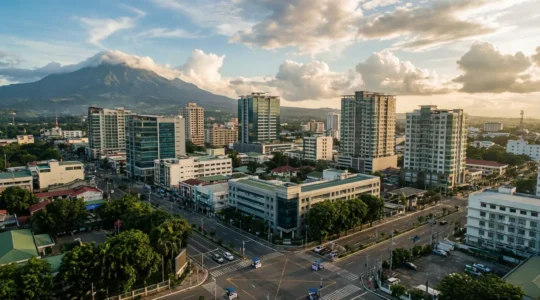
Is Davao City Really the Safest City in the Philippines?
While Davao City’s safety is statistically proven, it is not a magical anomaly but the result of a specific, state-enforced security model that defines the travel experience. Its high safety score contrasts sharply with official “no-go” zones like the Sulu…
Read more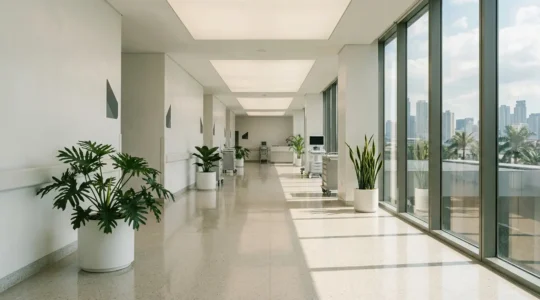
Why Are Medical Facilities in Manila Comparable to US Standards for a Fraction of the Cost?
Manila’s affordable, high-quality medical care isn’t a coincidence; it’s the result of an ecosystem combining US-standard training and accreditation with the Philippines’ unique economic structure. World-renowned accreditation bodies like the Joint Commission International (JCI) ensure “accreditation parity” with top US…
Read more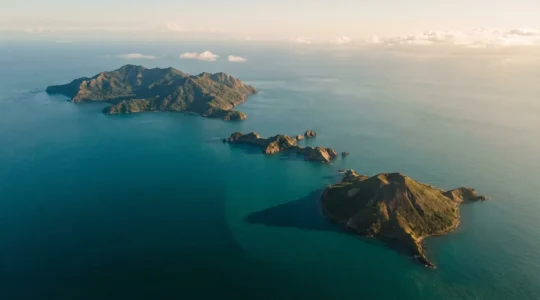
Luzon, Visayas, or Mindanao: Which Island Group Fits Your 2-Week Timeline?
The key to a successful Philippine trip isn’t cramming in more islands, but choosing one island group and mastering its unique logistical system. Each island group operates on a distinct “blueprint” for transport, cost, and even climate, making cross-regional trips…
Read more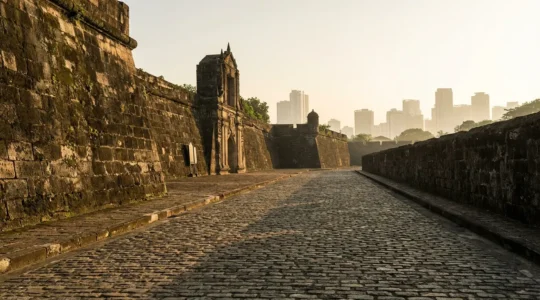
Why Is Intramuros the One Place You Cannot Skip in Manila?
Manila’s chaos is daunting on a short layover, but Intramuros offers a direct shortcut to understanding the city’s soul, making it the most rewarding use of your limited time. Strategic planning, like avoiding peak traffic and using the unique Pasig…
Read more
How to Extend Your Tourist Visa in the Philippines Without Hiring an Agent?
In summary: Understand that airlines enforce the “onward ticket” rule to avoid fines, not just to inconvenience you. Extending your visa is a straightforward, in-person process at a Bureau of Immigration (BI) office; no agent is needed. Overstaying, even by…
Read more
Why Is the “Dry Season” in the Philippines Not Always Dry?
The concept of a single, nationwide “dry season” in the Philippines is a misleading oversimplification for travelers. The country is governed by two opposing monsoons (Amihan and Habagat) that create different “dry” periods on the east and west coasts. Sudden,…
Read more
Why You Cannot See “Everything” in the Philippines in 3 Weeks?
In summary: The Philippines’ geography of 7,000+ islands makes “seeing everything” a logistical trap; travel between regions consumes entire days. A successful trip prioritizes one major island group (Luzon, Visayas, or Mindanao) to minimize “travel friction” and maximize immersion. Strategic…
Read more