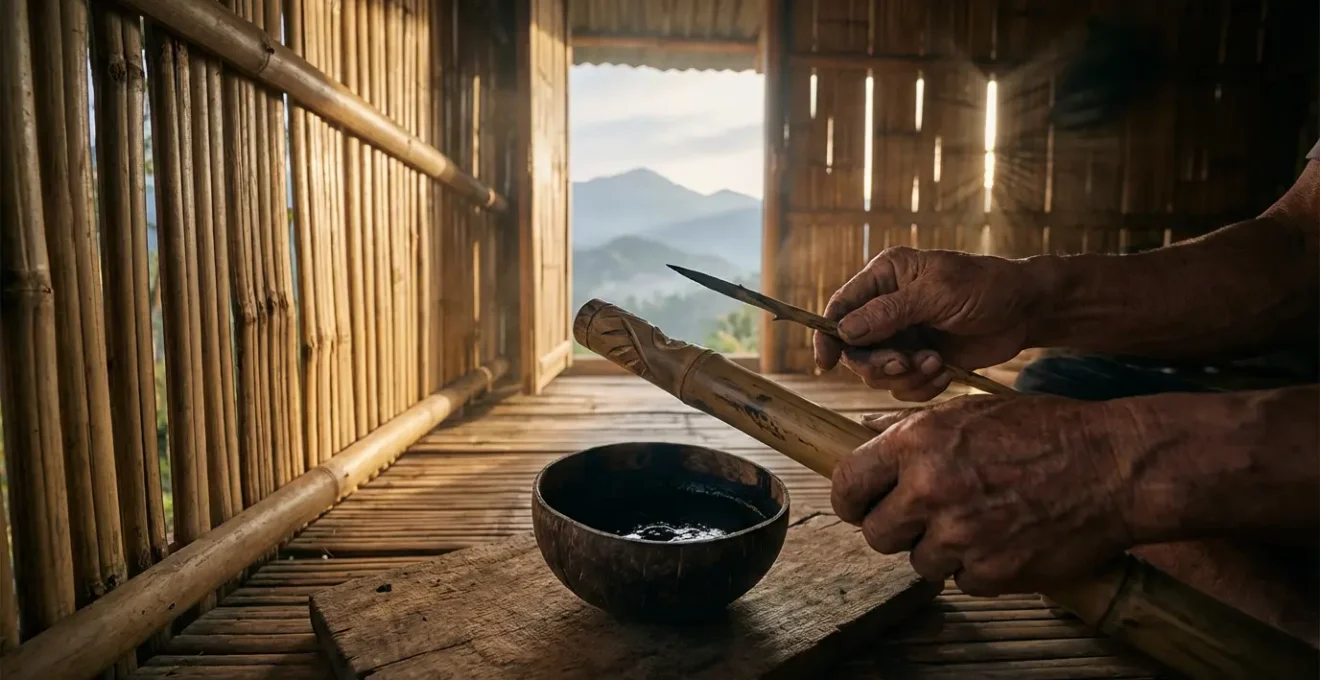
Viewing a Batok tattoo from Whang-Od as a mere travel souvenir fundamentally misunderstands its essence. This article reframes the journey not as a tourist transaction, but as participation in a living ritual. The tattoo is not a product you acquire; it is a sacred mark that inscribes you into a web of ancestral cosmology and community responsibility. Understanding this distinction is the first and most crucial step for any respectful visitor.
The journey to Buscalan, a remote village nestled in the Cordillera mountains of the Philippines, has become a modern-day pilgrimage. Travelers from across the globe endure long hours and arduous treks for an audience with Apo Whang-Od, the legendary mambabatok (traditional Kalinga tattooist). Many arrive seeking a piece of living history, a unique mark to commemorate their travels. Yet, this very perception, that the batok is a commodity to be collected, is where a profound cultural misunderstanding begins. The intricate, soot-blackened patterns tapped into the skin are not just decoration; they are the final step in a process of deep cultural engagement that starts long before the thorn and bamboo mallet ever touch the skin.
The popular narrative often focuses on Whang-Od as “the last” of her kind, a figurehead for a dying tradition. While her skill and longevity are remarkable, this view overlooks a more vital truth: the batok is part of a much larger, living cosmology. It is a system of beliefs, rituals, and social obligations that connects the individual to the community, the land, and the ancestors. To receive the tattoo without comprehending the world it comes from is to take the symbol while discarding its meaning. This guide moves beyond the surface-level allure of the ink. It proposes that the true value of the experience lies not in receiving the tattoo, but in understanding the responsibilities it represents. It is an invitation to shift perspective from that of a consumer to that of a respectful witness, and perhaps, a temporary custodian of a sacred tradition.
For those who prefer a visual format, the following video offers a glimpse into the world of indigenous traditions, complementing the cultural context explored in this guide.
This article provides a framework for engaging with this profound cultural heritage respectfully. It explores the essential protocols, the meaning behind sacred objects, and the ethical considerations of your visit, guiding you toward a more meaningful and responsible encounter.
Summary: A Guide to Respectfully Engaging with Filipino Indigenous Heritage
- How to Enter an Ifugao Village Without Offending the Elders?
- The Mistake of Wearing a Funeral Textile as a Fashion Statement
- When to Observe a Cañao Ritual Without Taking intrusive Photos?
- Why You Need a Tribe-Member Guide to Understand the Rice Terraces?
- Igorot vs. Lumad: What Are the Key Cultural Differences?
- Why Is the Baybayin Script Making a Comeback Among Young Filipinos?
- Banaue vs. Batad: Which Rice Terraces Are Worth the Trek?
- Homestay with the Aetas: Is It Exploitation or Cultural Exchange?
How to Enter an Ifugao Village Without Offending the Elders?
Entering an Ifugao village like Buscalan is not akin to visiting a tourist park; it is stepping into a sovereign ancestral domain. The first principle of respect is acknowledging that you are a guest in a home governed by ancient customary laws. Before you even think about schedules or photography, your primary action should be to seek out the village elders or a designated community representative. This is not a mere formality. It is a fundamental act of recognizing their authority and requesting permission to enter their space. Presenting a small, thoughtful gift (pasalubong), such as coffee, rice, or useful household goods, is a traditional gesture that signals goodwill and respect, moving the interaction from a transaction to a relationship.
This autonomy is not just a cultural norm; it is enshrined in law. According to the Expanded National Integrated Protected Areas System (ENIPAS) Act, indigenous communities have the legal right and responsibility to govern and protect their own territories. As the law states, they are to “govern, maintain, develop, protect and conserve such areas in accordance to their indigenous knowledge, systems, practices and customary laws.” Your visit is subject to these laws, not the expectations of the outside world. This legal framework underscores why community consultation is not optional but essential.
Therefore, approaching with humility is paramount. Wait to be welcomed. Listen more than you speak. Ask questions about local customs regarding greetings, personal space, and appropriate conduct. For example, pointing with your lips is often more polite than using a finger. Understanding these nuances demonstrates a genuine desire to adapt to their world rather than expecting them to adapt to yours. This initial interaction sets the tone for your entire stay and determines whether you will be seen as an intrusive tourist or a welcome guest.
The Mistake of Wearing a Funeral Textile as a Fashion Statement
In the vibrant markets surrounding indigenous communities, intricate hand-woven textiles are often sold to travelers. Their beauty is undeniable, but their meaning is rarely explained. A common and grave mistake is to purchase and wear these fabrics as a simple fashion accessory. Many of these textiles, particularly those with specific patterns and colors, are sacred objects reserved for specific ceremonies, such as weddings, harvests, or, most critically, funerals. For example, among the Ifugao, the gamong is a blanket for the dead. To wear it casually is not just a fashion faux pas; it is a profound act of disrespect that can be deeply offensive and disturbing to the community.
These textiles are a language. Each pattern, motif, and color combination tells a story, signifies social status, or serves a vital ritualistic purpose. They are a tangible part of a community’s intangible heritage. The complexity of these woven patterns is a testament to the generations of knowledge passed down, just as the batok tradition is. The tattoo itself, a permanent marking on the body, carries even greater weight. Its patterns can denote tribal affiliation, acts of heroism, or one’s passage through life’s key stages. The meticulous process of creating the tattoo, which can involve between 90 and 120 taps per minute with a thorn, is a ritual in itself, imbuing the mark with a spiritual energy that a machine-made tattoo could never replicate.
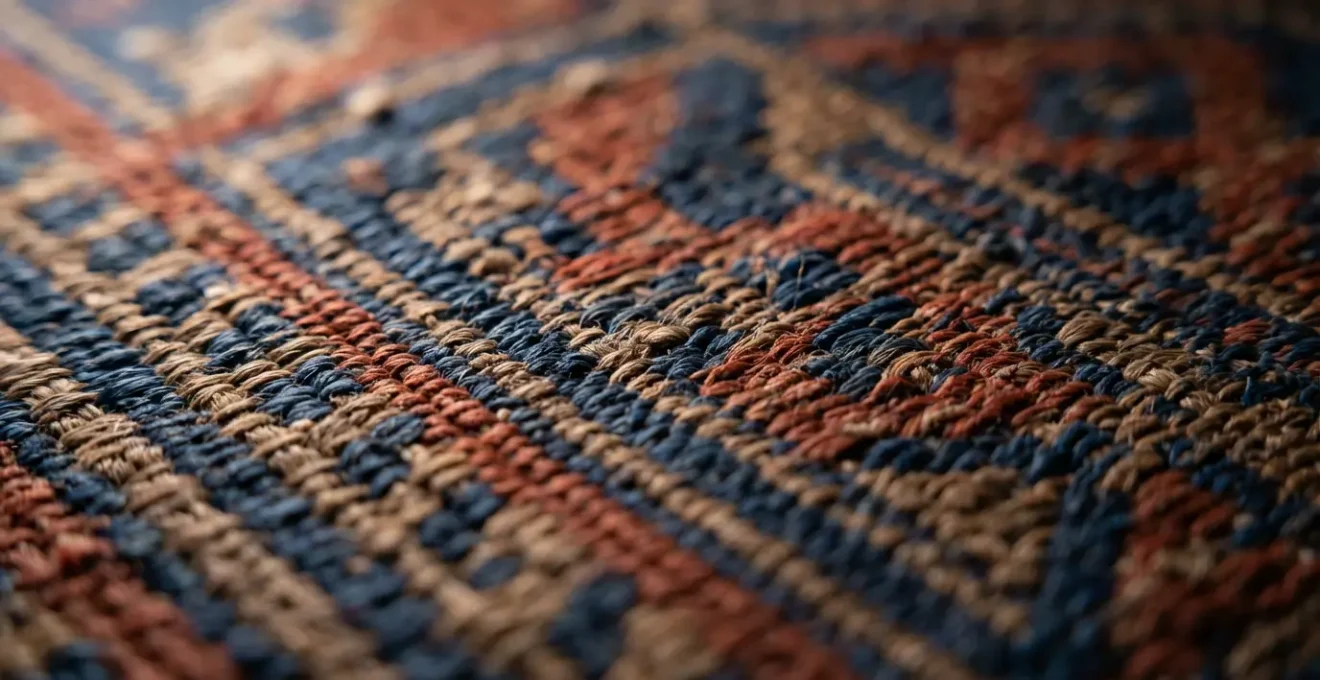
Before purchasing or wearing any traditional garment, always ask about its purpose. Inquire from a knowledgeable local, preferably the weaver or a community elder: “What is this for?” “When is this worn?” This simple question transforms you from a passive consumer into an engaged and respectful learner. It acknowledges that the object has a life and meaning far beyond its aesthetic appeal. By understanding the context, you honor the culture rather than unintentionally desecrating its sacred symbols.
When to Observe a Cañao Ritual Without Taking intrusive Photos?
If you are fortunate enough to be present during a Cañao—a community feast and ritual for healing, thanksgiving, or celebration—you are witnessing the very heartbeat of the Cordilleran cosmology. These are not performances for tourists. A Cañao involves animal sacrifices, prayers chanted in native tongues, and communal dancing. It is a deeply spiritual event where the community communicates with its ancestors and deities. The primary rule for an observer is to maintain a respectful distance and presence. Your role is to be an invisible, silent witness, not an active participant or a documentarian.
The urge to capture the moment with a camera is strong, but it is the most common way visitors disrupt the sanctity of the ritual. The flash of a camera, the click of a shutter, or the glow of a phone screen can break the focused spiritual energy. Always ask for permission before taking any photos, and be prepared for the answer to be “no.” If permission is granted, use no flash and be discreet. Better yet, consider putting the camera away entirely. Experiencing the ritual with your own senses—the smell of the pine smoke, the rhythmic beat of the gongs, the collective energy of the dancers—is far more profound than any photograph you could ever take.
This is especially critical because many elements of these rituals are fading. As Filipino anthropologist Analyn Salvador-Amores noted, while the physical act of tattooing may be passed on, “The other batok traditions, which include chanting and fortune-telling, and the revelation of the symbolic meanings of the tattoos, may fade away.” Your intrusive presence could accelerate the erosion of these delicate, intangible practices. To prevent such negative impacts, experts recommend that a socio-cultural impact assessment should be mandatory before opening up communities to tourism. A study on Sagada highlighted the need for tourism plans to be guided by cultural sensitivity, sustainability, and respect for indigenous self-determination. By choosing to observe quietly, you align yourself with this principle of preservation.
Why You Need a Tribe-Member Guide to Understand the Rice Terraces?
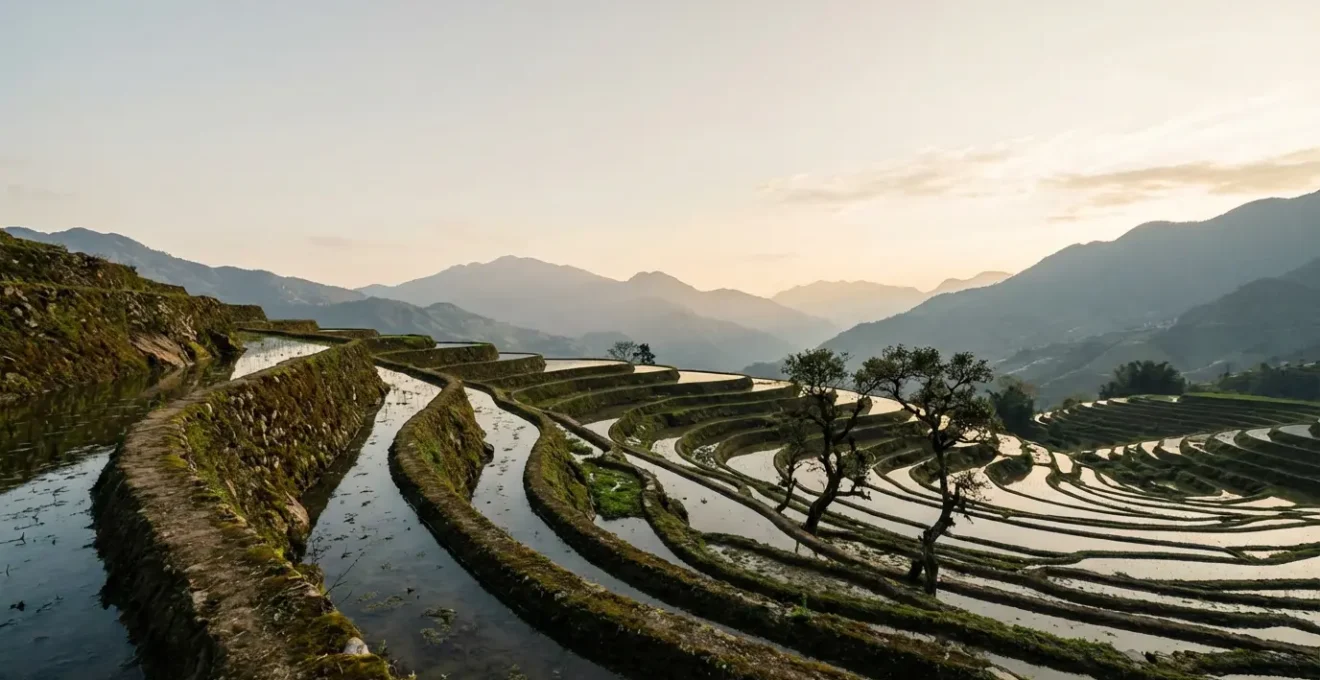
The rice terraces of the Cordilleras are often described as the “Eighth Wonder of the World,” but this title misses the point. They are not a static monument; they are a living agricultural and cultural landscape, an intricate system of engineering and cosmology built and maintained over two millennia. To view them from a roadside viewpoint is to see only their surface. To understand them, you need an interpreter, and that interpreter must be a member of the community whose ancestors built them.
A local Ifugao guide does far more than show you the path. They are a storyteller, a historian, and a custodian of ancestral knowledge. They can explain the complex irrigation systems that rely on ancient water rights. They can point out the bulul (rice guardians) and explain their role in the planting and harvest cycles. They can translate the landscape, revealing how each terrace wall, sacred grove, and settlement is part of a living cosmology that connects the physical and spiritual worlds. Without a guide, you are merely walking through a pretty landscape; with a guide, you are reading a 2,000-year-old book.
Furthermore, hiring a local guide is a direct and ethical way to contribute to the community’s economy. These community-led conservation and livelihood efforts have a proven positive impact. Well-managed indigenous ecotourism ensures that the revenue generated from your visit directly supports the people who are the stewards of the land. According to reports on biodiversity-friendly livelihoods, these initiatives have benefited tens of thousands of community members. Your choice to hire a local guide is an investment in the cultural and environmental preservation of the very landscape you have come to admire. It transforms your visit from an extractive act into a supportive one.
Igorot vs. Lumad: What Are the Key Cultural Differences?
For many outsiders, the term “indigenous Filipino” conjures a single, monolithic image. This is a profound oversimplification. The Philippines is home to over 110 ethno-linguistic indigenous groups, each with a unique culture, history, and social structure. Two of the largest groupings are the Igorot of the Cordillera mountain region in Northern Luzon and the Lumad of Mindanao in the south. Understanding their differences is crucial to appreciating the rich diversity of the country’s first peoples and avoiding generalizations.
The Igorot, a collective term for several groups including the Ifugao, Kalinga, and Bontoc, are highland peoples renowned for their rice terraces and sophisticated agricultural systems. Their societies were traditionally governed by councils of elders and regulated by customary laws and institutions like the bodong (peace pacts). In contrast, the Lumad peoples, such as the T’boli, Manobo, and B’laan, are predominantly from the lowlands and coastal areas of Mindanao. Their traditional livelihoods are more often based on riverine and forest cultivation, and their social structures are typically organized around a Datu leadership system. Their histories of resistance are also distinct, with the Igorot famously resisting Spanish colonization and the Lumad facing ongoing struggles for their ancestral domains in a different political context.
This diversity is legally recognized by the state. The landmark Indigenous Peoples’ Rights Act (IPRA) of 1997 provides a framework for recognizing the rights of all indigenous communities over their lands and their right to self-determination. The following table illustrates some key distinctions:
| Aspect | Igorot Peoples | Lumad Groups |
|---|---|---|
| Geographic Base | Mountain provinces of Northern Luzon (Cordillera) | Mindanao lowlands and coastal areas |
| Agricultural System | Highland rice terraces, root crops | Riverine and forest-based cultivation |
| Traditional Governance | Council of elders, bodong peace pacts | Datu leadership system |
| Resistance History | Against Spanish colonization, Chico Dam project | Ongoing struggles for Ancestral Domain rights |
Recognizing these differences is a mark of respect. It shows you have moved beyond the generic postcard image and are engaging with the specific, complex identity of the people you are visiting, whether they are Kalinga in the north or T’boli in the south.
Why Is the Baybayin Script Making a Comeback Among Young Filipinos?
While some traditions struggle for survival, others are experiencing a vibrant renaissance. One of the most visible examples is the resurgence of Baybayin, a pre-colonial syllabic script used in the Philippines before the arrival of the Spanish. Once nearly lost, Baybayin is now making a powerful comeback, especially among young Filipinos in the diaspora and at home. It appears in art, on currency, in government logos, and, most personally, as tattoos. This revival is not driven by nostalgia; it is a profound political and cultural statement.
For many young Filipinos, learning and using Baybayin is an act of decolonization. It is a way to reconnect with an identity that was suppressed by centuries of foreign rule. It challenges the colonial narrative that pre-colonial Filipino culture was “primitive” and offers a tangible link to a sophisticated, literate past. The script’s elegant, flowing characters represent a uniquely Filipino aesthetic and worldview, distinct from the Roman alphabet. By inscribing it on their skin or in their art, they are reclaiming a piece of their heritage and asserting their cultural pride.
This cultural reclamation is being supported by innovative community projects. For example, a case study on cultural tourism development highlights how places like the Talaandig School of Living Traditions in Bukidnon serve as vital centers for cultural transmission. These “living schools” run programs that teach young people traditional craft skills, music, and epic chanting, alongside knowledge systems like their own script. They demonstrate a successful model where culture is not a static artifact to be preserved under glass, but a dynamic force that can be adapted and revitalized. The Baybayin comeback shows that culture is not just about preservation, but also about active, creative, and proud reclamation by a new generation.
Banaue vs. Batad: Which Rice Terraces Are Worth the Trek?
For travelers to the Ifugao region, a common dilemma is choosing between visiting the terraces of Banaue and those of Batad. Both are breathtaking, but they offer vastly different experiences, and the “better” choice depends entirely on your travel philosophy. The decision is a practical reflection of the article’s core theme: are you seeking accessible observation or deep immersion?
Banaue is the gateway to the region. Its terraces are easily accessible, with numerous viewpoints located directly along the main road. The town has a well-developed tourism infrastructure with a wide range of hotels, restaurants, and souvenir shops. This makes it an excellent option for those with limited time or mobility. Banaue provides a stunning panoramic overview of the terraces and a glimpse into the broader Ifugao market culture. However, this accessibility comes with higher tourist volumes and a more commercialized atmosphere.
Batad, on the other hand, demands effort. It is a village nestled within an amphitheater-shaped cascade of terraces, accessible only via a one-to-two-hour trek from the nearest road. This inherent difficulty filters the crowds, creating a more intimate and tranquil experience. Accommodation is limited to simple homestays and basic lodges, forcing a closer interaction with the community. The reward for the trek is an unparalleled 360-degree immersion, where you are not just looking at the terraces but are living within them. As one report notes, even the final stretch of the journey to a place like Buscalan involves a steep climb through rice terraces, making the journey itself part of the experience.
The choice between them can be summarized in this table:
| Aspect | Banaue | Batad |
|---|---|---|
| Accessibility | Road accessible, tourism infrastructure developed | Requires 1-2 hour trek from junction |
| Tourist Volume | Higher visitor numbers, commercial activity | Limited by access difficulty, more intimate |
| Cultural Experience | Market life, broader Ifugao culture overview | Immersive village experience, traditional lifestyle |
| Terrace View | Viewpoints along road, panoramic perspectives | Amphitheater formation, 360-degree immersion |
| Accommodation | Multiple hotels and guesthouses | Limited homestays and basic lodges |
Key Takeaways
- Respectful entry into an indigenous village requires seeking permission from elders, not just arriving.
- Sacred objects like textiles have specific ritual uses; wearing them as fashion is a grave offense.
- Observing rituals means being a silent, non-intrusive witness. Put the camera away.
- The ethics of your visit—whether it is extractive or supportive—is determined by your choices, such as hiring local guides and engaging in community-owned tourism.
Homestay with the Aetas: Is It Exploitation or Cultural Exchange?
The question of engaging in a homestay with an indigenous community, such as the Aeta people, lies at the heart of ethical tourism. Done correctly, it can be a profound cultural exchange that fosters mutual understanding and provides direct economic support. Done poorly, it can quickly become a form of exploitation, commodifying culture and reinforcing unequal power dynamics. The difference between the two lies in agency, transparency, and consent—on the community’s terms.
A truly ethical homestay is one that is owned and operated by the community itself. The revenue should flow directly to the host families and a community fund, not to an outside tour operator. This financial transparency is a key indicator of an equitable partnership. Furthermore, the cultural activities offered—whether it’s learning about traditional hunting techniques, medicinal plants, or crafts—must be activities the community has willingly chosen to share. They should not be staged performances designed to meet a tourist’s romanticized expectations. This is the community sharing their world with you, not putting on a show for you.
The danger of exploitation arises when outsiders control the narrative and the finances, reducing the hosts to little more than props in a “cultural experience.” It happens when sacred rituals are trivialized into daily entertainment or when visitors’ photography becomes invasive and disrespectful. The responsibility falls on you, the traveler, to do your due diligence and ask the hard questions before you book. You must become a conscious consumer, seeking out initiatives that genuinely empower the community and contribute to the preservation of their culture and the building of their capacity to manage their own resources.
Your Ethical Engagement Checklist: Questions to Ask Before a Homestay
- Community Ownership: Is this homestay program owned and managed by the families themselves, or by an external agency?
- Financial Flow: Where does my payment go? What percentage is guaranteed to stay within the community?
- Activity Consent: Were the cultural activities and demonstrations decided upon by the community elders and participants?
- Photography and Documentation: What are the community’s specific rules regarding taking and sharing photos or videos of people and daily life?
- Capacity Building: Does the program include training for local youth in hospitality, guide services, or business management to ensure its long-term sustainability?
Ultimately, traveling to the lands of the Igorot, the Aeta, or any other indigenous group is a privilege, not a right. The batok you may receive is not the end of your journey, but the beginning of an inscribed responsibility—a permanent reminder of the culture you were allowed to witness and the respect you owe it. Approach with humility, listen with intent, and leave with a deeper understanding of the world beyond your own.